
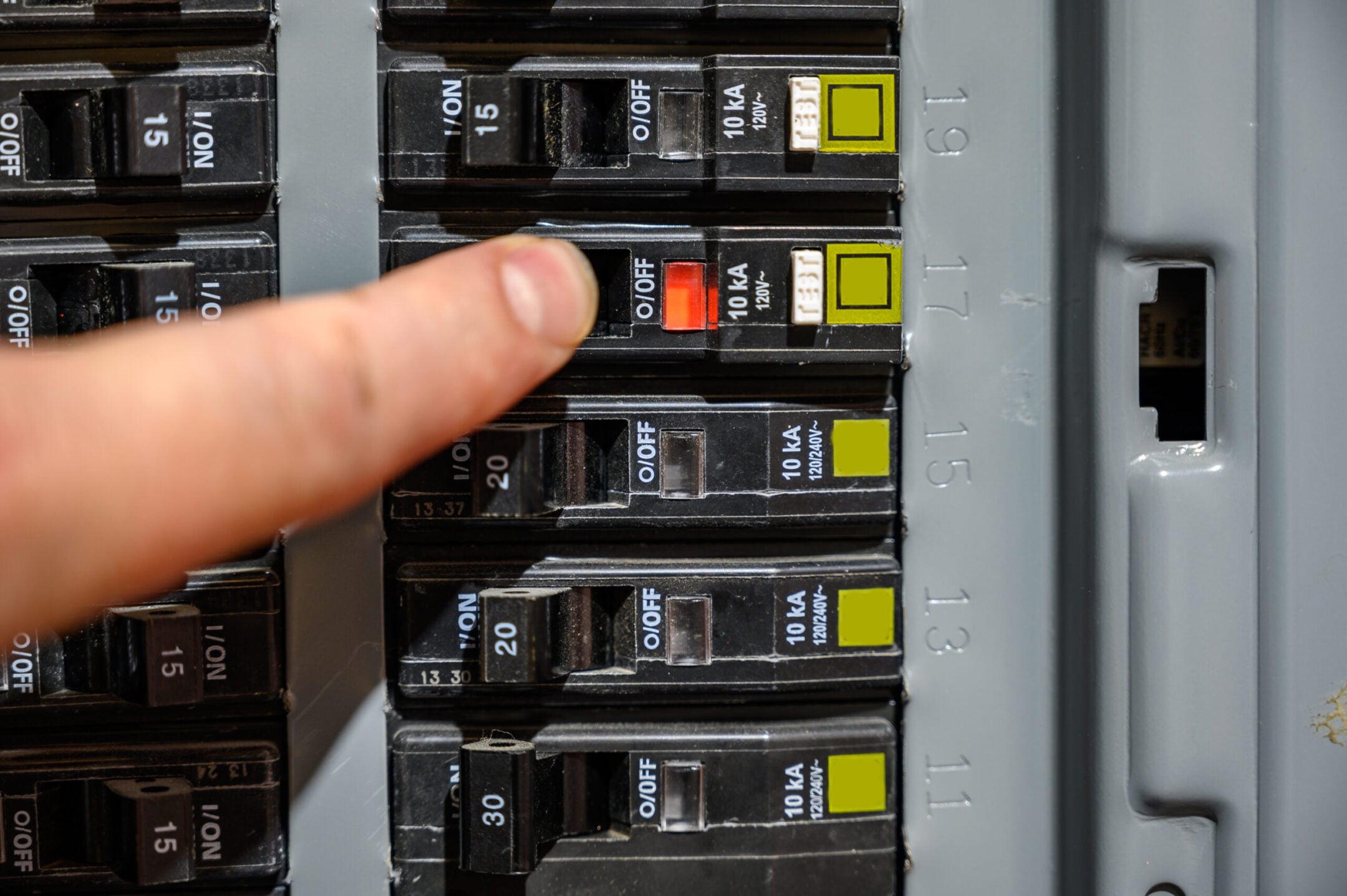
What Does a Breaker Box Do? (5 Main Parts & Functions)
A breaker box is the control center of your home’s electrical system, distributing electricity safely while protecting circuits from overload. For homeowners in Tulsa, OK, understanding how an electrical panel works can help you prevent hazards, plan upgrades, and recognize when professional service is needed. While most people only think about their circuit breaker panel when there is a tripped breaker, it is constantly working behind the scenes to regulate power and reduce electrical risk. Knowing the basics can also help you communicate more confidently with an electrician if concerns arise.
In this guide, you will learn:
- What a breaker box actually does
- The five most important components inside it
- How circuit breakers prevent damage and fire risk
- Signs your panel may need inspection
Why Your Breaker Box Matters
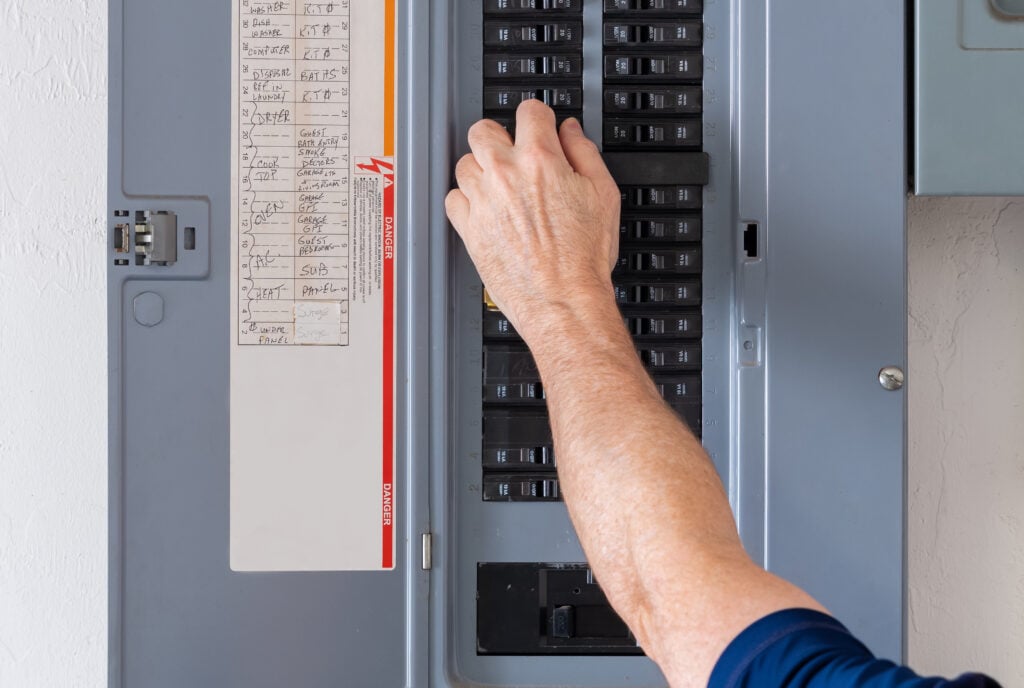
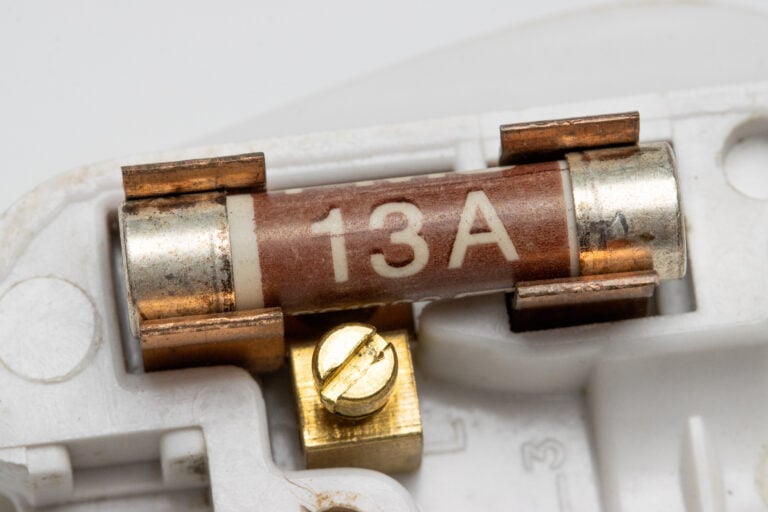
Your electrical panel receives power from the utility company and distributes it to individual circuits throughout your home. Each circuit supplies electricity to specific outlets, lighting areas, or appliances. When working properly, the circuit breaker panel ensures electricity flows consistently without exceeding safe limits. In older homes, this role may have been handled by a fuse box, but modern circuit breakers offer safer and more convenient protection.
Modern homes demand far more electricity than homes built decades ago. Between HVAC systems, kitchen appliances, and smart devices, your panel must handle significant load. According to the Electrical Safety Foundation International, electrical distribution systems are the third leading cause of home structure fires in the United States, underscoring how critical proper panel function is for safety. Panels that are outdated, damaged, or improperly sized can increase risk and reduce efficiency.
5 Key Parts Inside a Breaker Box
Understanding what is inside your circuit breaker box helps you better grasp how the system protects your home. Below are the five primary components and how each functions.
1. Main Breaker
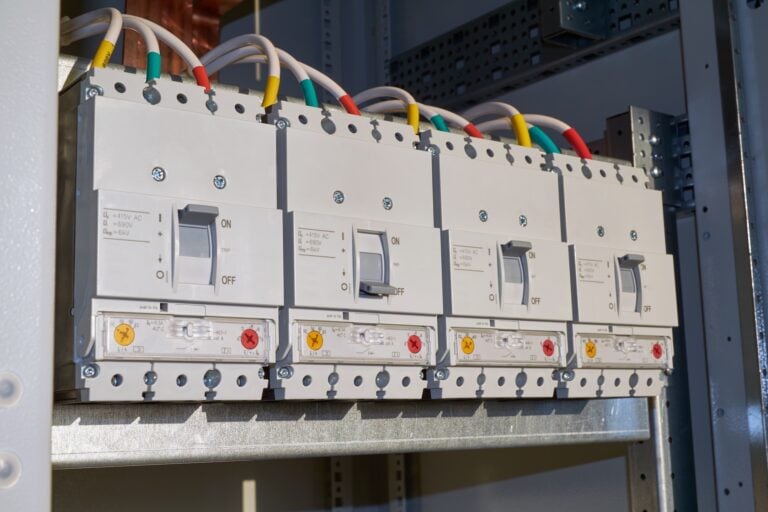
The main breaker controls electricity entering your home. It allows you to shut off power to the entire house when necessary, such as during major repairs or emergencies. This component also protects the electrical panel based on its amperage rating, which determines how much electricity your home can safely handle at one time.
- Whole home control: Cuts power to every circuit at once
- Overload protection: Trips if incoming power exceeds safe limits
- Capacity limit: Matches your home’s amperage rating
2. Individual Circuit Breakers
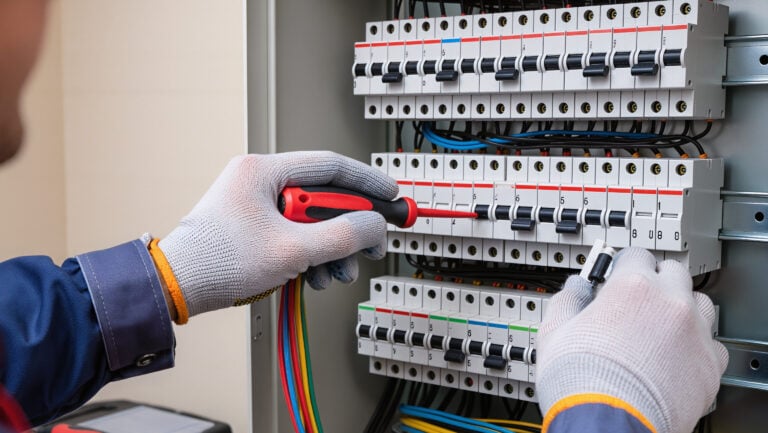
Individual circuit breakers protect specific circuits such as kitchen outlets, bedroom lighting, or large appliances. These may include single pole breakers for standard 120 volt circuits and double pole breakers for higher demand equipment. When too much current flows, a breaker trips automatically to prevent overheating and wiring damage.
- Automatic shutoff: Stops power when overload occurs
- Single pole breakers: Protect standard household circuits
- Reset capability: Allows safe restoration after a tripped breaker
3. Bus Bars
Bus bars distribute electricity from the main breaker to individual circuit breakers. They act as the internal pathway that ensures each breaker receives the correct flow of power. Secure connections here are essential for stable performance and long term reliability.
- Power distribution: Transfers electricity evenly across circuits
- Secure connections: Keeps breakers firmly connected
- Stable performance: Supports consistent voltage flow
4. Neutral And Ground Bars
Neutral and ground bars provide critical safety functions within your circuit breaker panel. The neutral bar allows electricity to return safely to the panel, while the grounding bar directs excess current into the earth. This helps prevent ground faults, which occur when electricity follows an unintended path.
Many modern systems include GFCI breakers that detect ground faults and shut off power quickly to reduce shock risk.
- Neutral return path: Completes electrical circuits safely
- Grounding protection: Directs stray voltage into the ground
- GFCI breakers: Shut off power when ground faults are detected
5. Panel Enclosure And Sub Panel Connections
The metal enclosure houses and protects all internal components, preventing accidental contact and shielding the system from damage. In some homes, a sub panel is installed to expand circuit capacity in garages, additions, or workshops. A properly installed sub panel distributes power safely without overloading the main breaker.
- Physical protection: Shields wiring and breakers
- Sub panel support: Expands capacity for additional circuits
- Code compliance: Meets modern electrical safety standards
Warning Signs Your Panel May Need Service
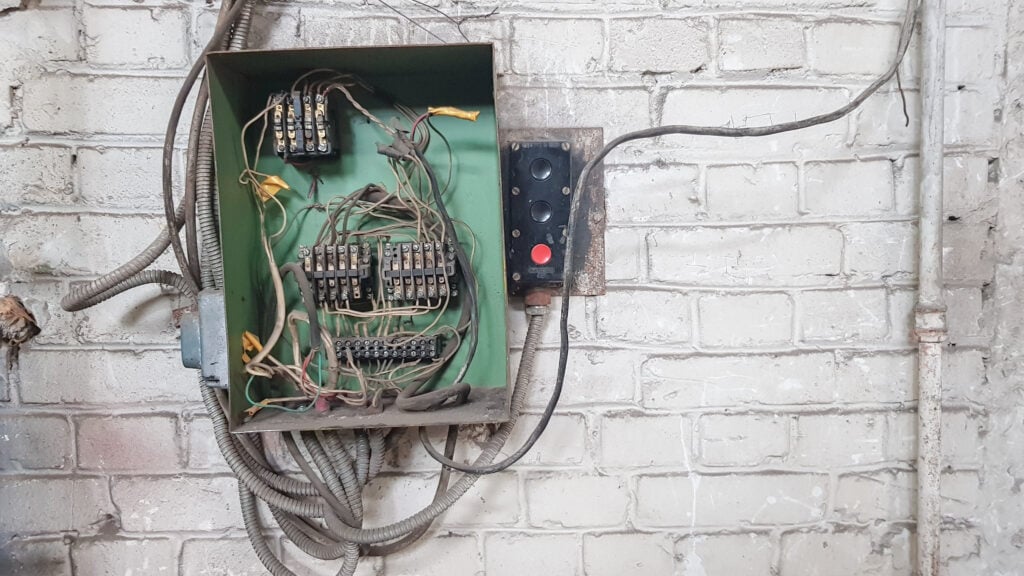
Breaker boxes are built for durability, but they are not immune to wear or outdated capacity. If you notice unusual behavior, it may be time for inspection.
Frequent Tripping
If you are dealing with repeated tripped breaker issues, your breaker panel may be struggling to handle demand or experiencing internal wear. Repeated resets are not a long term solution and may signal overloaded circuits or improper sizing.
- Persistent trips: May indicate overloaded wiring
- Insufficient capacity: Panel may not match household demand
- Aging components: Breakers may weaken over time
Flickering Or Dimming Lights
Lights that flicker when appliances run may signal uneven power distribution or insufficient amperage rating. This often occurs when multiple high demand devices operate simultaneously.
- Voltage fluctuation: Often tied to load imbalance
- High demand appliances: Can strain smaller panels
- System instability: Requires professional evaluation
Warm Or Noisy Panel
Your electrical panel should never feel hot or produce buzzing sounds. Heat or noise may indicate loose connections, breaker failure, or internal arcing within the circuit breaker box.
- Loose connections: Can generate excessive heat
- Breaker malfunction: May cause electrical arcing
- Safety risk: Should be inspected promptly
We’re proud to serve home and business owners in Tulsa, OK, and nearby communities with electrical panel inspections, circuit breaker panel upgrades, and sub panel installations.
Choosing The Right Panel Capacity
Panel size determines how much electricity your home can safely use at one time. As demand increases with modern appliances and technology, upgrades may become necessary.
| Panel Rating | Best For | Electrical Demand |
| 100 Amp | Older or smaller homes | Basic usage |
| 150 Amp | Moderate households | Standard appliances |
| 200 Amp | Larger modern homes | High demand systems |
Many newer homes benefit from 200 amp service to support HVAC systems, kitchen appliances, home offices, and electric vehicle chargers. If your Tulsa home still relies on an outdated fuse box or has a panel that no longer meets your electrical needs, a professional evaluation can determine whether an upgrade is necessary.
Power Your Home With Confidence With Waybright Electric
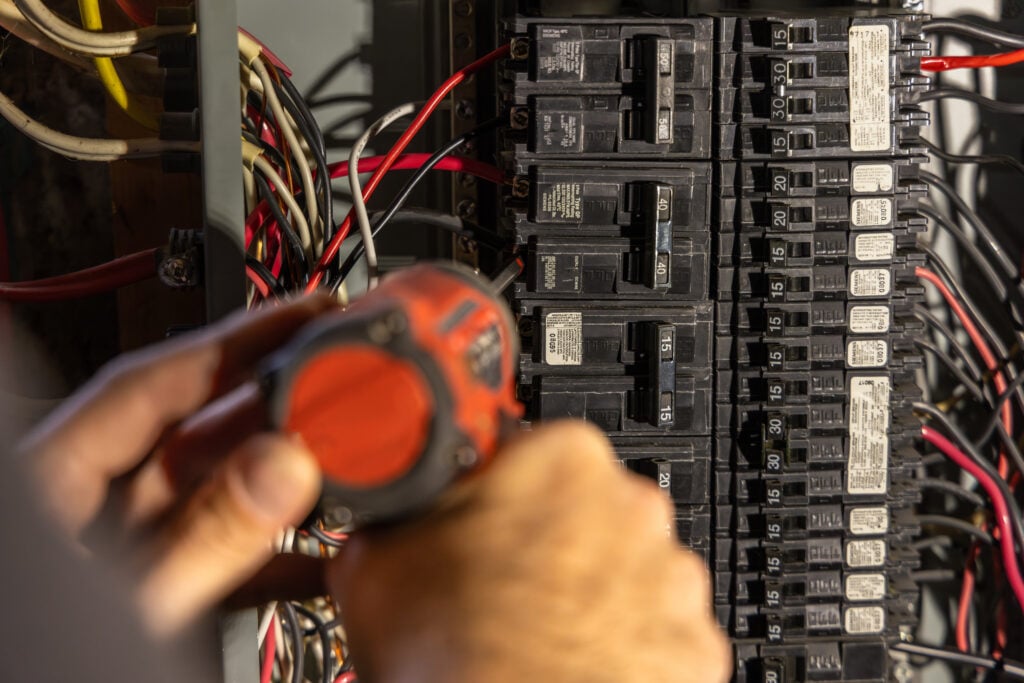
Your breaker box is the foundation of your home’s electrical safety and performance. Whether you need help diagnosing a tripped breaker, upgrading a circuit breaker panel, replacing circuit breakers, or installing a new main breaker, Waybright Electric provides careful inspections and professional solutions designed for long term reliability.
Contact Waybright Electric today to schedule service in Tulsa, OK. Our experienced team is ready to ensure your electrical panel operates safely, efficiently, and with the capacity your home demands.

Recent Articles
Our Electrical Journal