
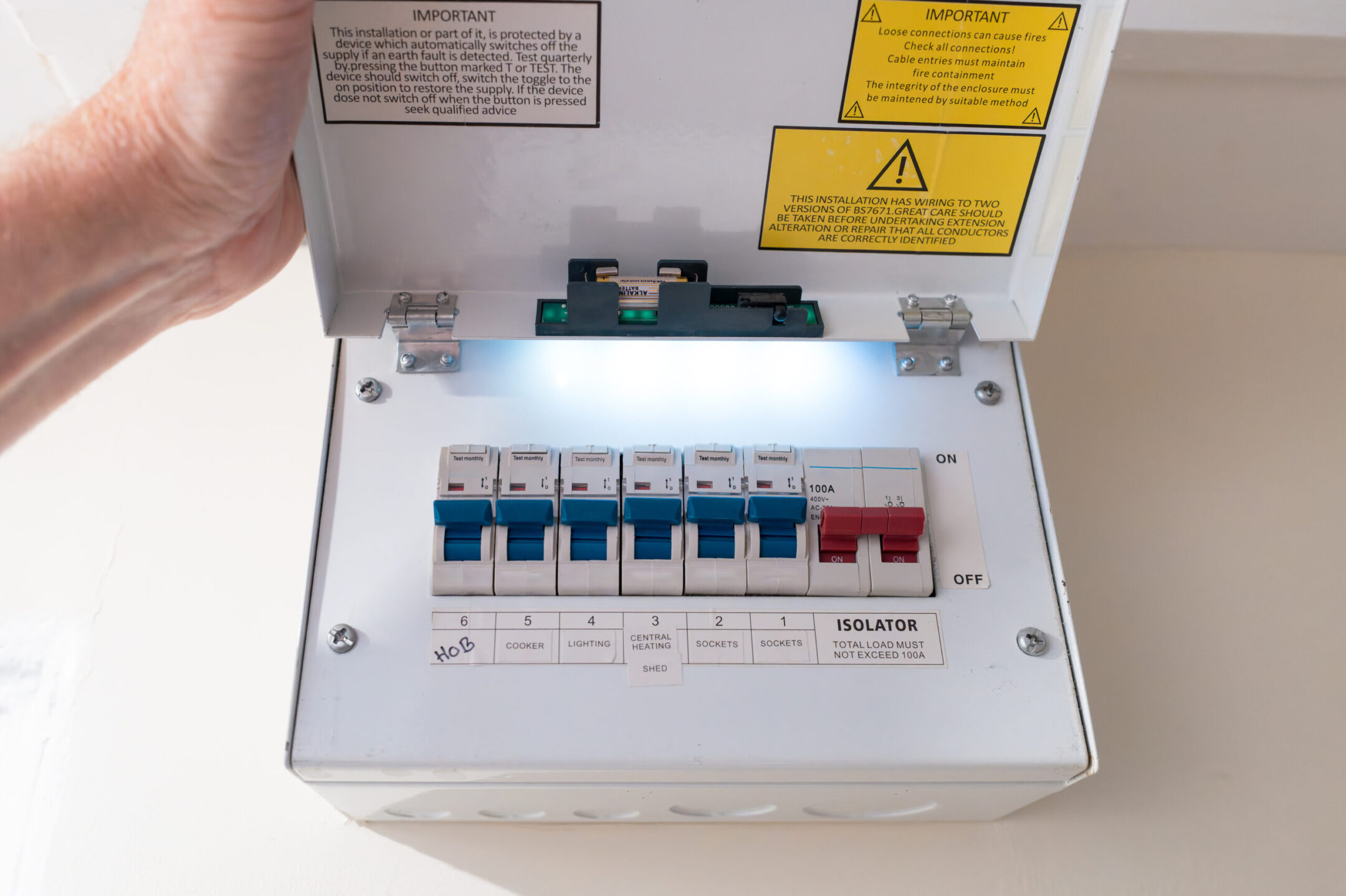
Fuses vs Circuits: What’s the Difference?
When comparing fuses vs circuits, homeowners are usually deciding between an older fuse box and a modern circuit breaker panel. When looking at fuse vs circuit breaker systems, it is important to understand how each protective device manages electrical circuits and overall power distribution. If you live in Bixby, OK, and are unsure which system your home has or whether it should be upgraded, understanding the difference can help you make a safer, more informed decision. Electrical protection affects not only convenience but also your home’s capacity, efficiency, and long term safety.
In this guide, we will explain:
- How a fuse box works
- How a circuit breaker panel functions
- The major differences between the two
- Which system is better for modern homes
How A Fuse Box Works
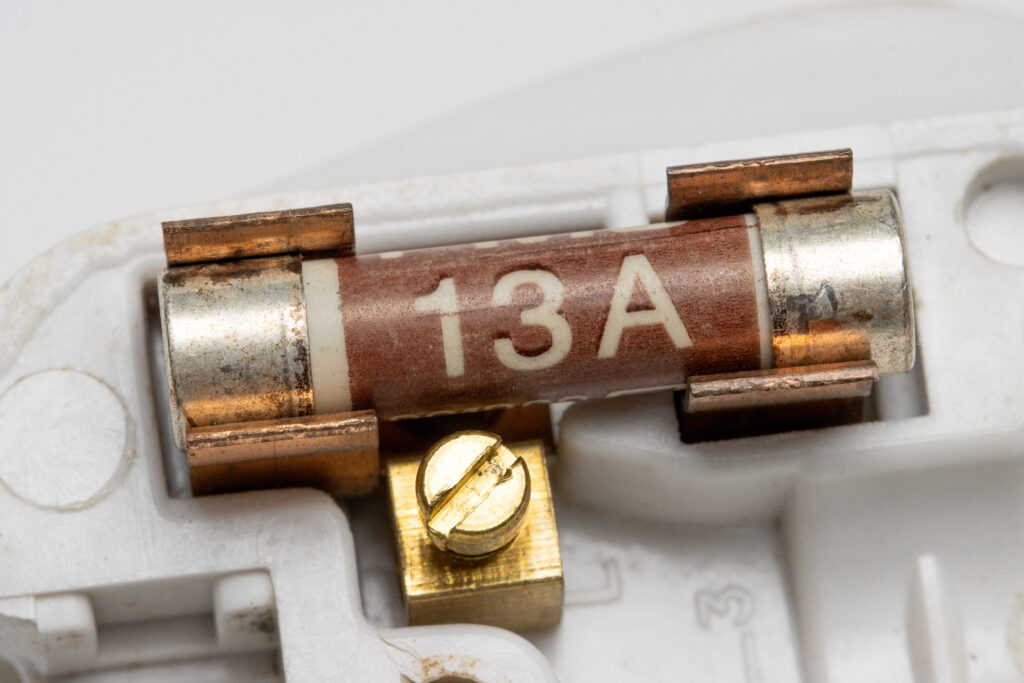
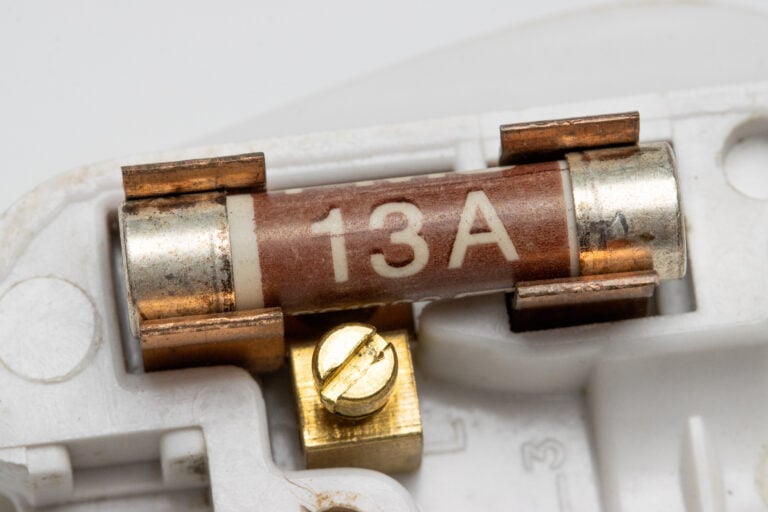
A fuse box protects your home by stopping electrical flow when a circuit becomes overloaded. Inside each fuse is a thin metal strip designed to melt when current exceeds its amperage rating. When a fuse blows, the strip breaks and immediately cuts off power to that specific electrical circuit, preventing wires from overheating. This makes the fuse a simple but effective protective device for older systems.
Many homes built decades ago in Bixby still have fuse boxes, especially if the electrical panel has never been upgraded. As homes add larger appliances, HVAC systems, and smart technology, fuse systems can quickly reach their limits because they were not designed for modern electrical circuits or higher capacity demands. Fuse systems come with several practical limitations that homeowners should consider:
- Single use protection: Fuses must be replaced each time a fuse blows
- Lower amperage rating: Often limited to older capacity standards
- Manual handling: Requires opening the panel to install replacements
How A Circuit Breaker Panel Works
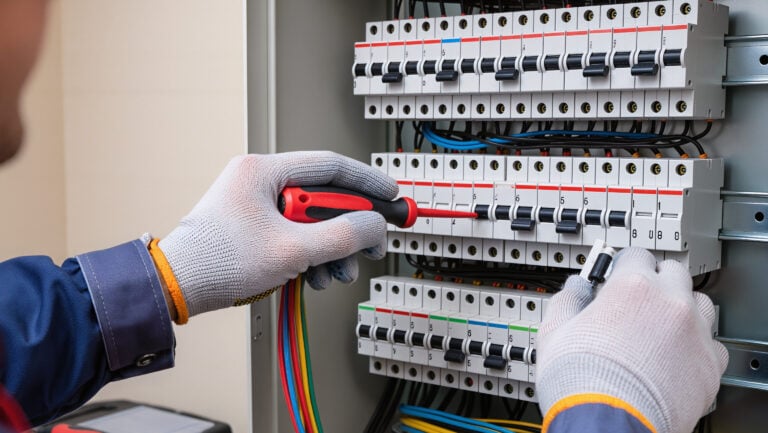
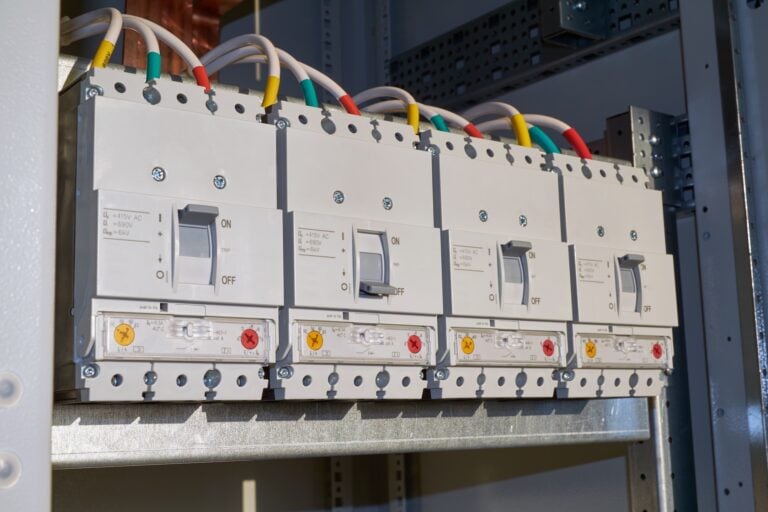
A circuit breaker panel performs the same protective function but uses reusable switches instead of melting components. Circuit breakers monitor the flow of power through electrical circuits and automatically trip when overload occurs. When too much current flows, the breaker flips to the off position, interrupting power and protecting wiring. After correcting the issue, you simply reset the breaker.
Modern electrical panels contain multiple circuit breakers that protect specific circuits throughout the home. These include single pole breakers for standard outlets and lighting, as well as double pole breakers for larger appliances. Many systems also include GFCI circuit breakers that shut off power when ground faults are detected, adding additional protection in kitchens, bathrooms, and garages.
Breaker panels are also easier to expand. If your home requires additional circuits, a sub panel can often be installed to safely distribute added electrical demand without replacing the entire system.
6 Key Differences Between Fuses And Circuit Breakers
When evaluating fuses vs circuits, it helps to break down the comparison into specific categories. Below are six important differences that impact safety, convenience, and long term performance. Understanding the differences between a fuse vs circuit breaker system can make it easier to determine whether your current setup is meeting your household’s needs.
1. Reset Capability
Fuses and circuit breakers respond differently once an overload occurs. The recovery process plays a major role in convenience and overall usability.
- Fuse systems: Require replacing the blown fuse before restoring power
- Breaker systems: Allow simple reset after a tripped breaker
- Practical impact: Breakers restore electricity faster and more conveniently
This reset capability makes breaker panels especially helpful during storms or high usage periods when temporary overloads are more likely.
2. Convenience And Downtime
Ease of recovery matters during unexpected outages, particularly in homes with medical devices, home offices, or security systems that rely on consistent power.
- Fuse systems: Require keeping properly sized replacements available
- Breaker panels: Do not require replacement parts after trips
- Time factor: Circuit breakers reduce downtime during overload events
Less downtime means less disruption to your household and daily routine.
3. Capacity And Amperage Rating
Electrical demand has increased significantly in modern homes, and capacity plays a central role in overall performance.
- Fuse boxes: Often limited to lower amperage ratings
- Breaker panels: Typically support 150 to 200 amp service
- Performance benefit: Higher capacity supports modern appliances and HVAC systems
A properly sized electrical panel helps prevent frequent overloads and ensures reliable protection of electrical circuits.
4. Expandability And Sub Panels
Homes often require additional circuits over time due to remodels, additions, or new equipment installations that increase power usage.
- Fuse systems: Limited flexibility for expansion
- Breaker panels: Allow easier addition of new circuits
- Sub panel option: Makes distributing added load more practical
This flexibility is especially important for growing households or future renovation plans.
5. Modern Safety Features
Newer electrical systems offer enhanced protective features designed for modern building standards and improved safety.
- Fuse boxes: Provide basic overcurrent protection only
- Breaker systems: Can include GFCI circuit breakers for ground fault protection
- Enhanced safety: Helps reduce shock risk in moisture prone areas
Advanced safety features provide added peace of mind in kitchens, bathrooms, garages, and outdoor spaces.
6. Maintenance And Long Term Practicality
Ongoing usability and maintenance requirements can influence long term satisfaction with your electrical system.
- Fuse systems: Require manual replacement and correct sizing
- Breaker panels: Offer reusable switches and simplified operation
- Homeowner experience: Circuit breakers are generally easier to manage long term
Over time, the reduced maintenance demands of breaker panels often make them the more practical choice for homeowners.
Which System Is Better For Modern Homes?
Both fuse boxes and circuit breaker panels are designed to prevent overloaded circuits and reduce fire risk. However, modern electrical demands often exceed what older fuse systems were built to handle. Homes in Bixby that have added updated kitchens, HVAC systems, home offices, or electric vehicle chargers may require higher amperage capacity and more flexible distribution of power.
For most modern households, a circuit breaker panel offers clear advantages.
- Higher capacity support: Handles increased electrical demand
- Easier maintenance: No replacement parts required after trips
- Improved safety features: Allows GFCI and advanced protections
- Future expansion: Makes adding circuits or a sub panel simpler
If your home experiences frequent blown fuses or repeated tripped breaker issues, it may be a sign your electrical system is operating near its limit. A licensed electrician can evaluate your electrical panel and determine whether an upgrade is necessary. We’re proud to serve home and business owners in Bixby, OK, and nearby communities with electrical panel upgrades, fuse box replacements, and system evaluations.
Modernize Your Electrical System With Waybright Electric
Understanding the difference between a fuse box and a circuit breaker panel helps you make confident decisions about your home’s safety and performance. Waybright Electric provides professional inspections, panel upgrades, and electrical improvements designed to meet today’s energy demands.
If your home still relies on fuses or your breaker panel is struggling to keep up, contact Waybright Electric today. Our experienced team will evaluate your system and recommend reliable solutions built for long term safety, capacity, and protection.

Recent Articles
Our Electrical Journal