
7 Key Aspects of Electrical Panel Installation + Wiring
When planning electrical panel installation, it is important to understand that this project impacts your entire home’s safety, capacity, and long term performance. In Tulsa, OK, where homes range from older properties to newly built residences, installing or upgrading an electrical panel must be done carefully and in accordance with code. A properly installed panel ensures reliable power distribution, supports modern appliances, and reduces the risk of overload or fire hazards. It also improves overall system efficiency, allowing circuits to operate without unnecessary strain and helping protect sensitive electronics from inconsistent voltage.
In this guide, we will cover:
- What electrical panel installation involves
- The 7 most important factors to consider
- How wiring connects to overall system performance
- Why professional installation matters
Why Electrical Panel Installation Is So Important
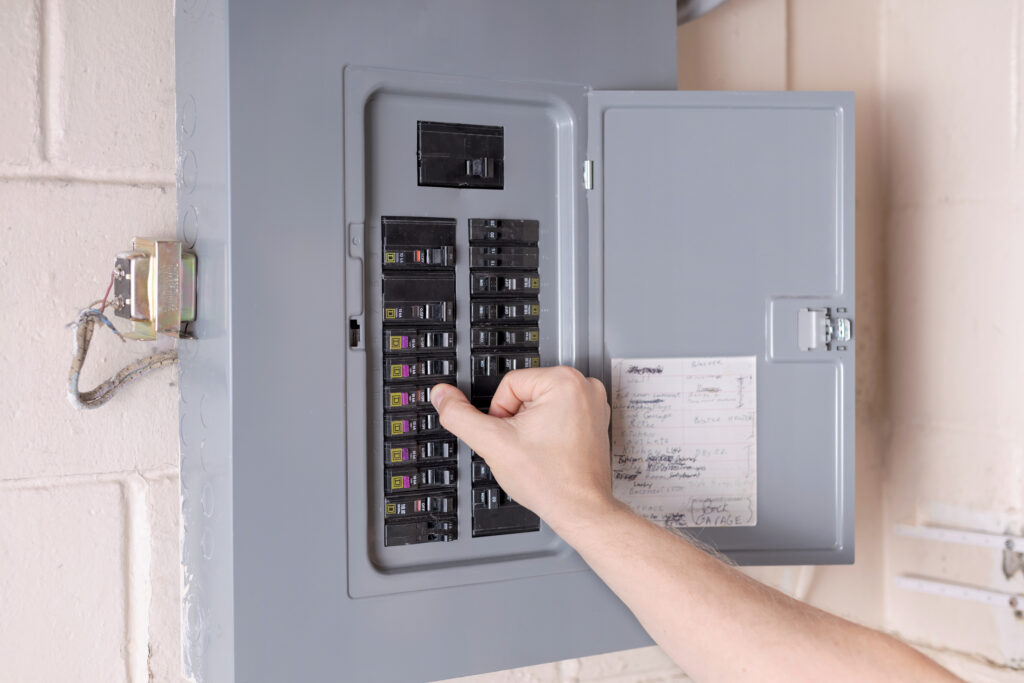
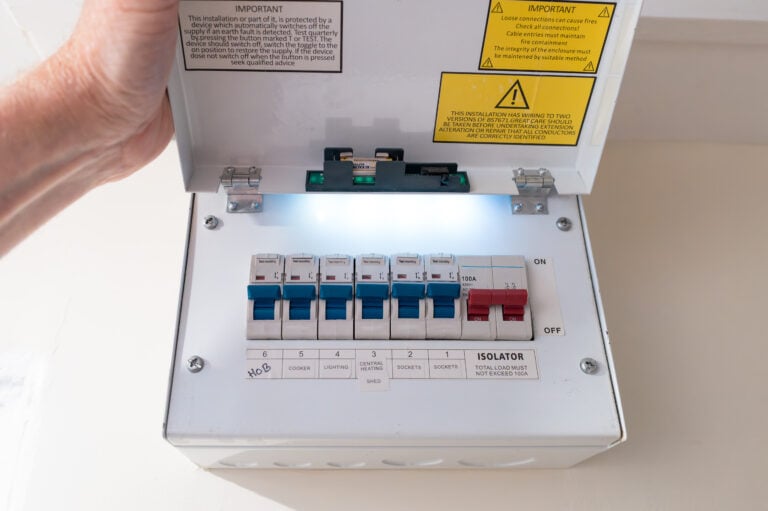
Your electrical panel, sometimes called a breaker panel or service panel, is the central hub that distributes electricity throughout your home. Every circuit, outlet, light, and major appliance depends on it to deliver steady and controlled power. Improper installation can lead to overloaded circuits, inconsistent voltage, nuisance breaker trips, or long-term safety risks that affect the entire property.
Modern homes demand more electricity than ever before. HVAC systems, kitchen appliances, home offices, electric vehicle chargers, and smart home technology all increase electrical load. A properly sized and installed panel ensures your system can safely handle current demands while leaving room for future expansion. Planning ahead during installation helps prevent costly upgrades later.
We’re proud to serve home and business owners in Tulsa, OK, and nearby communities with electrical panel installation, wiring upgrades, and more.
7 Key Aspects Of Electrical Panel Installation
Electrical panel installation involves more than simply mounting a metal box and connecting wires. Each step must be carefully planned and executed to ensure safety, compliance, and performance. Attention to detail during installation directly affects how reliably your system performs for years to come.
1. Proper Amperage Sizing
Selecting the correct amperage rating is critical to system performance. An undersized panel may struggle to support modern appliances, while an oversized system must still be matched properly to service capacity.
- 100 amp service: Typically suited for smaller or older homes
- 150 amp service: Supports moderate household demand
- 200 amp service: Ideal for modern homes with higher usage
Choosing the right capacity prevents overload, reduces frequent breaker trips, and supports future upgrades.
2. Safe Service Entrance Wiring
Service entrance wiring connects your home to the utility power supply. These conductors must be properly rated and securely connected to the main breaker to ensure stable performance.
- Correct wire gauge: Matches load requirements
- Secure termination: Prevents loose connections
- Weather protection: Shields conductors from external damage
Improper service wiring can compromise the entire system and create safety hazards.
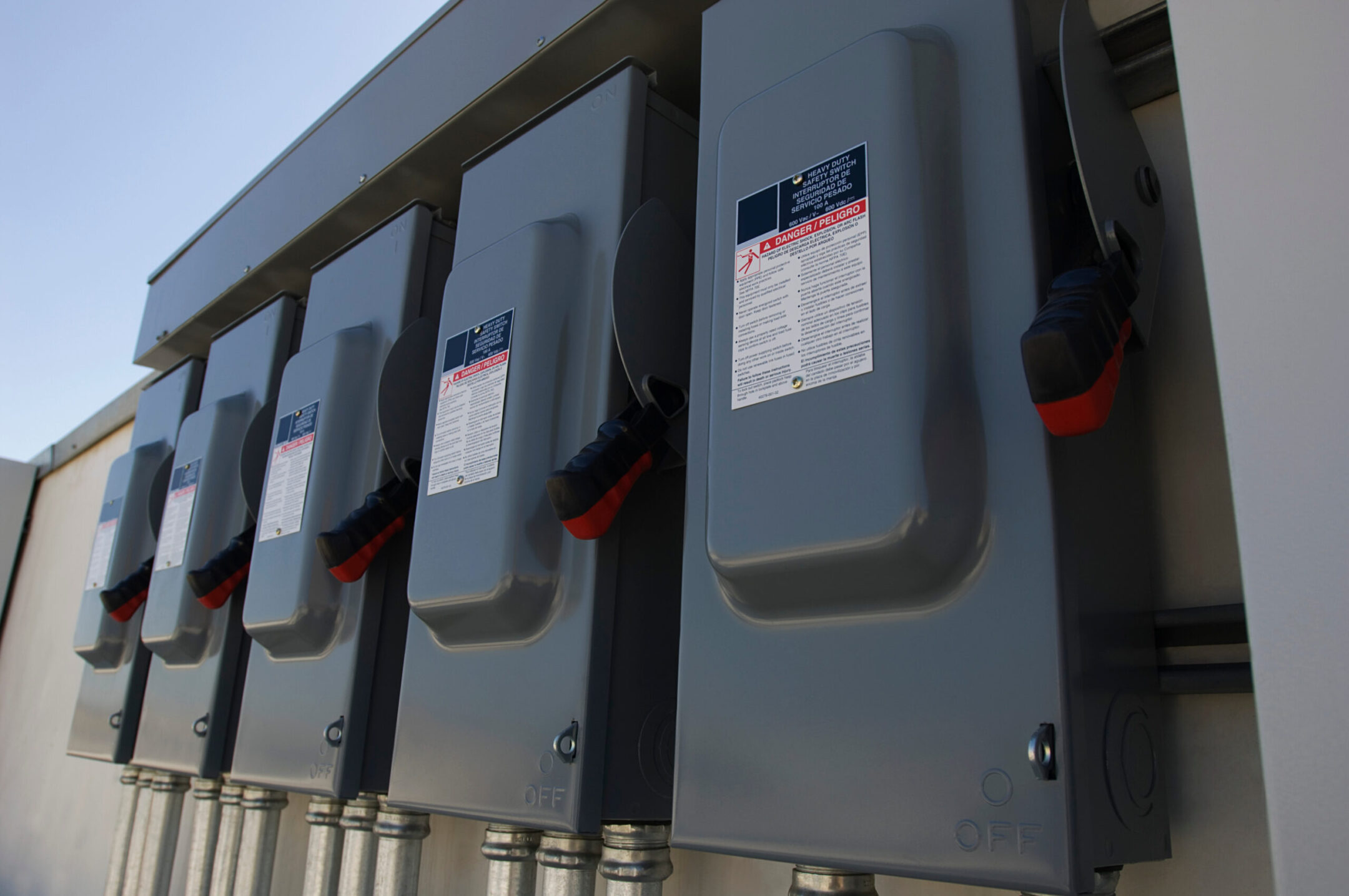
3. Main Breaker Installation
The main breaker controls power to the entire panel. It must be properly sized and securely installed to handle incoming load without overheating or loosening over time.
- Load matched rating: Supports home’s electrical demand
- Secure mounting: Prevents vibration or movement
- Clear labeling: Identifies service disconnect point
A properly installed main breaker provides dependable whole home protection.
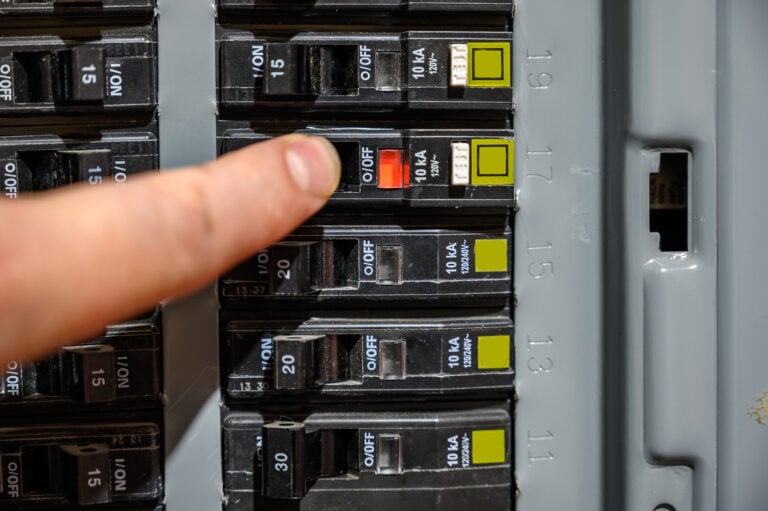
4. Circuit Breaker Configuration
Individual breakers must be organized and matched to each electrical circuit. Balanced placement across phases improves efficiency and reduces uneven loading.
- Single pole breakers: Protect standard 120 volt circuits
- Double pole breakers: Support larger appliances
- Balanced layout: Distributes load evenly across phases
Correct configuration enhances long term reliability and simplifies future troubleshooting.
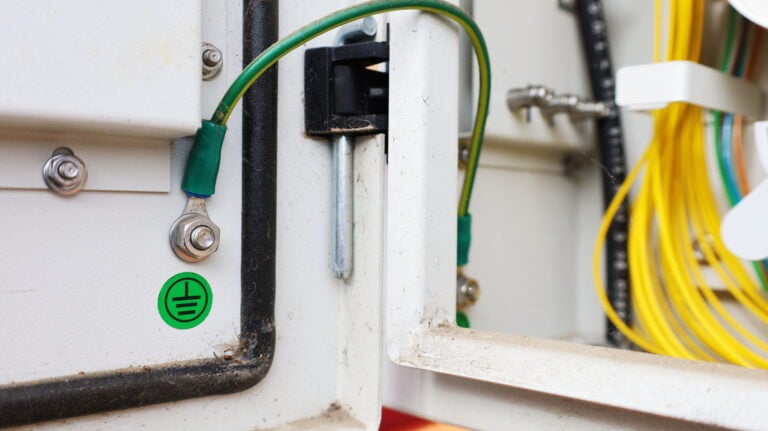
5. Grounding And Bonding
Grounding and bonding protect against electrical shock and fault conditions. The panel must connect properly to the home’s grounding system to ensure excess electricity has a safe path to travel.
- Grounding electrode connection: Links panel to earth ground
- Neutral bonding: Ensures proper system operation
- Code compliance: Meets modern safety standards
Proper grounding improves overall electrical safety and system stability.
6. Clean And Organized Wiring
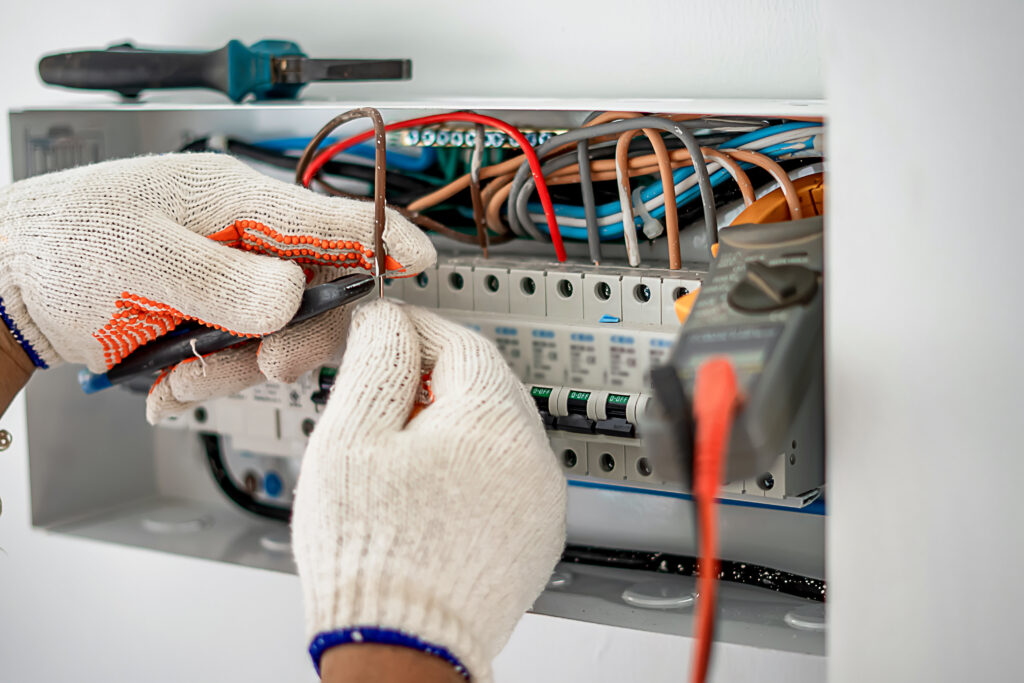
Neatly arranged wiring inside the panel improves airflow, serviceability, and long term performance. Organized wiring also makes inspections and future modifications easier.
- Secure wire routing: Prevents crowding and stress
- Clear identification: Makes maintenance more efficient
- Proper torque on terminals: Ensures solid, lasting connections
Disorganized wiring can create overheating, loose connections, and inspection concerns.
7. Inspection And Testing
After installation, the system must be inspected and tested to confirm safe operation. Testing ensures that voltage is distributed correctly and breakers respond appropriately under load.
- Voltage verification: Confirms proper distribution
- Breaker testing: Ensures correct response to load
- Code inspection: Verifies compliance with regulations
Thorough testing gives homeowners confidence that their new panel is functioning safely and efficiently.
Electrical Panel Installation And Wiring Comparison
Proper installation involves multiple coordinated components. Below is a simplified comparison of key installation elements and their purpose.
| Component | Purpose | Why It Matters |
| Main breaker | Controls entire panel power | Central safety disconnect |
| Circuit breakers | Protect individual circuits | Prevent overload and fire risk |
| Bus bars | Distribute electricity | Maintain stable voltage flow |
| Grounding system | Directs fault current safely | Reduces shock risk |
| Service entrance wiring | Brings power from utility | Supports full electrical load |
Each part must work together to create a safe, efficient, and durable electrical system.
Signs It May Be Time For An Electrical Panel Upgrade
Even if your current panel appears functional, certain warning signs indicate your home may benefit from a new electrical panel installation. Addressing these issues early helps prevent unexpected outages and safety concerns.
- Frequent breaker trips: May signal overloaded circuits or undersized panel
- Limited breaker space: No room for additional circuits or renovations
- Flickering lights: Can indicate unstable power distribution
- Outdated equipment: Older panels may not meet current safety standards
- Burning smells or heat: Suggest potential connection or overload issues
If you notice any of these concerns in your Tulsa home, a professional evaluation can determine whether a panel replacement or upgrade is the right solution.
Power Your Home Safely With Waybright Electric

Electrical panel installation is one of the most important upgrades you can make to your home’s safety and performance. Waybright Electric provides professional panel installations, wiring upgrades, and system evaluations designed for long term reliability and growth.
If your home in Tulsa, OK needs a new electrical panel or an upgrade to handle increasing demand, contact Waybright Electric today. Our experienced team will ensure your electrical system is installed properly, safely, and built to support your home now and in the future.

Recent Articles
Our Electrical Journal