
How to Add a Ground Wire to an Outlet (Explained In 8 Steps)
If you are researching how to add a ground wire to an outlet, safety should be your top priority. In older homes throughout Owasso, OK, it is common to find two-prong electrical outlets without a grounding conductor. While these outlets may still function, they lack the protection modern systems are designed to provide. Proper grounding reduces the risk of electrical shocks, improves equipment safety, and helps bring older wiring closer to current standards.
In this guide, you will learn:
- What a ground wire does
- When adding one is possible
- The 8 steps involved
- When professional service is recommended
What Does A Ground Wire Actually Do?
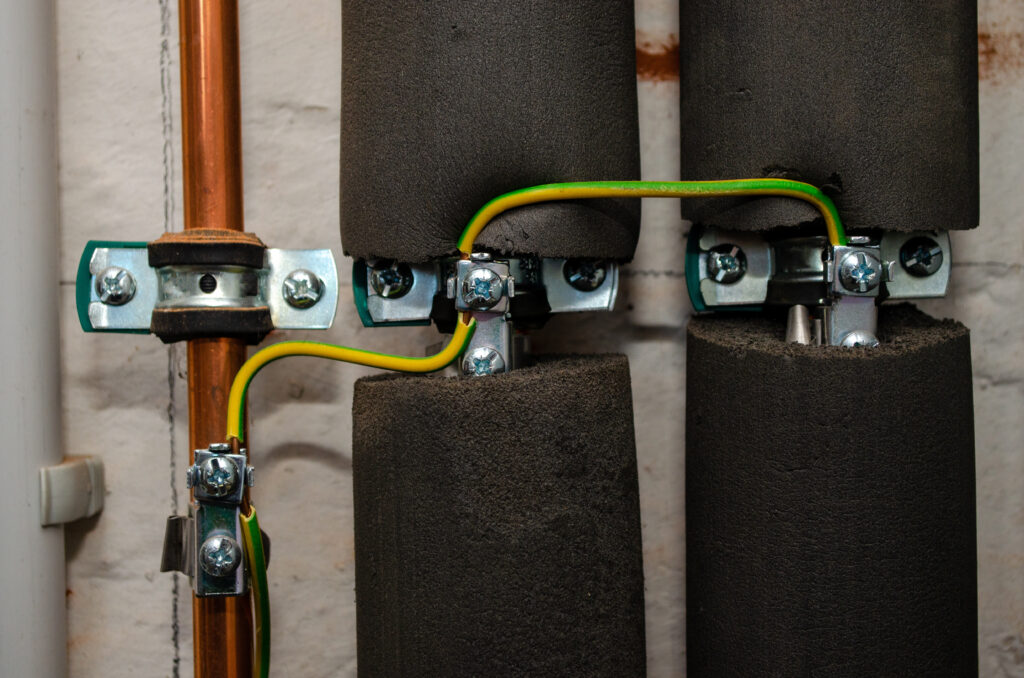
A ground wire provides a safe path for stray electrical current in the event of a fault. If a black wire comes loose or a device malfunctions, electricity is directed safely back toward the main electrical panel instead of energizing metal components. This significantly reduces the risk of electrical shocks and equipment damage. Proper grounding also allows devices such as a ground fault circuit interrupter to function correctly by detecting imbalance between hot and neutral wires.
In many modern systems, grounded outlets work in combination with a breaker panel to provide layered protection throughout the home. We’re proud to serve home and business owners in Owasso, OK, and nearby communities with outlet upgrades, grounding improvements, and more.
When Can You Add A Ground Wire?
Not every two prong outlet can be upgraded the same way. The solution depends on whether a copper ground wire already exists in the electrical box and whether the box is grounded.
In some cases, a green wire or bare copper ground wire may already be present but simply not connected to the outlet. In other homes, especially older properties, there may be no grounding conductor at all.
- Grounding conductor present: May only require proper attachment
- Metal outlet box: May already provide grounding if the box is grounded
- No ground available: May require a new ground wire run back to the main electrical panel
Determining the correct approach requires careful inspection of the wiring configuration.
8 Steps To Add A Ground Wire To An Outlet
Adding a ground wire requires attention to safety and proper technique. The steps below outline a general overview. More complex scenarios may require professional service.
1. Turn Off Power At The Breaker Panel
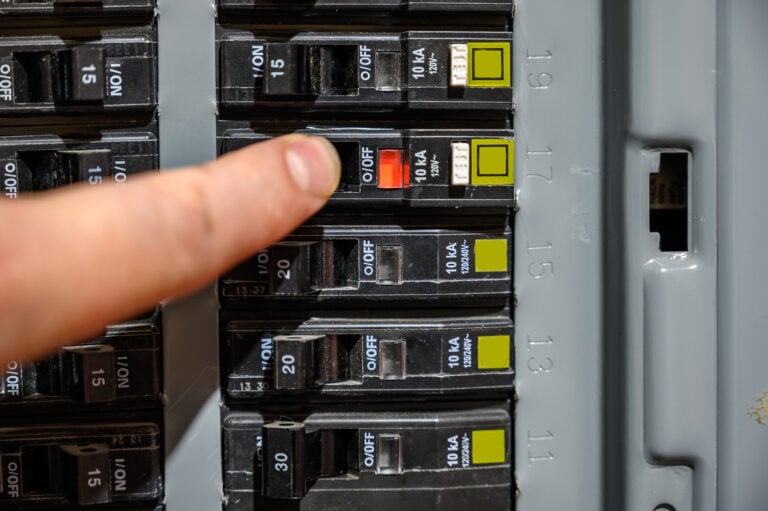
Begin by shutting off the correct breaker in the breaker panel. Use a voltage tester to confirm no power is present at the outlet before touching any wires. Never assume the labeling inside the panel is accurate without testing.
2. Remove The Outlet Cover And Receptacle
Unscrew the faceplate and gently pull the receptacle from the box. Inspect the wiring carefully, noting the black wire, white neutral wires, and any green wire or bare copper ground wire present.
3. Identify The Existing Grounding Conductor
Look inside the box for a copper ground wire or green wire.
- Bare copper wire: Indicates grounding conductor is available
- Green insulated wire: Serves as grounding path
- Only black and white wires: Suggests older two prong wiring
If no grounding conductor is visible, further evaluation is required.
4. Verify The Metal Outlet Box
If the outlet is mounted in a metal outlet box, determine whether the box is grounded through metal conduit or bonding.
- Continuity test: Confirms box is grounded
- Bonding screw present: Indicates grounding point
- No grounding path: Requires alternative solution
Testing ensures the metal box can safely serve as a grounding path if permitted by code.
5. Attach The Ground Wire To The Receptacle
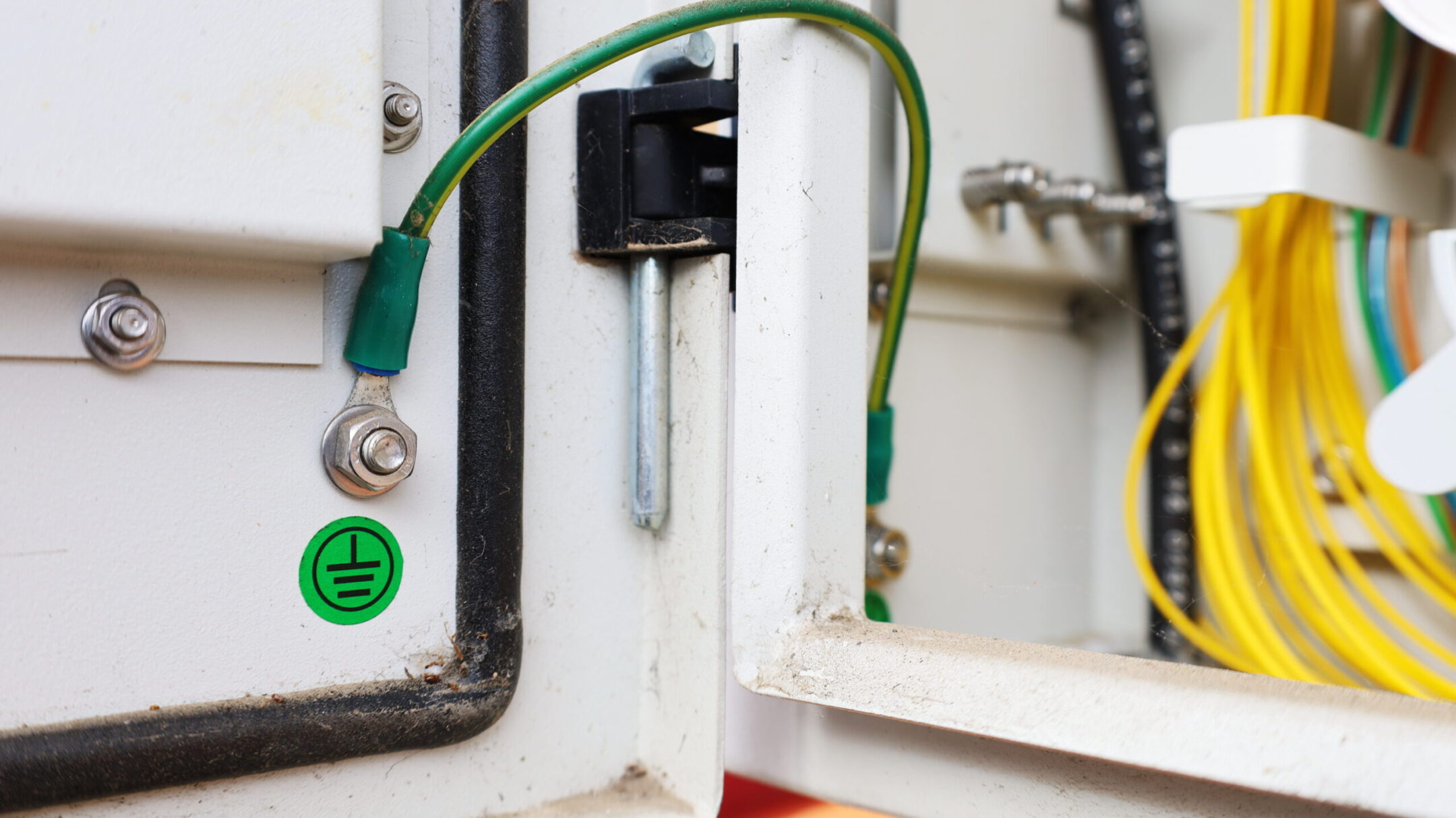
If a copper ground wire is present, attach it securely to the green grounding screw on the outlet. Wrap the wire clockwise around the screw and tighten firmly to ensure proper contact.
- Clockwise wrap: Prevents loosening during tightening
- Firm connection: Maintains reliable grounding
- Direct metal contact: Ensures continuous path
6. Bond The Metal Box If Required
If using a metal box, attach the copper ground wire to the box with a grounding screw or clip. This step ensures the metal enclosure cannot become energized during a fault.
7. Run A New Ground Wire If Necessary
If no grounding conductor exists, a ground wire run may be required back to the main electrical panel or to an approved grounding point. This process may involve accessing wall cavities and ensuring compliance with local electrical codes.
- Install copper ground wire: Route back to approved grounding source
- Follow code requirements: Ensure safe installation
- Avoid neutral substitution: Never use neutral wires as ground
In some cases, installing a GFCI receptacle may be permitted as an alternative solution, but it must be labeled properly and installed according to code.
8. Reinstall And Test Grounded Outlets
After making all connections, reinstall the outlet and cover plate. Restore power at the breaker panel and test the outlet with a receptacle tester to confirm proper grounding and wiring configuration.
Grounding Options Compared
Different wiring conditions require different solutions. The table below outlines common scenarios and appropriate approaches.
| Scenario | Solution | Complexity Level |
| Copper ground wire present | Connect to outlet and bond box | Low |
| Metal outlet box grounded | Bond properly and verify continuity | Moderate |
| No ground conductor in cable | Perform ground wire run to panel | High |
| Cannot run new ground | Install GFCI receptacle with labeling | Moderate |
Each home in Owasso may have unique wiring conditions depending on age and prior upgrades.
Common Questions About Adding A Ground Wire
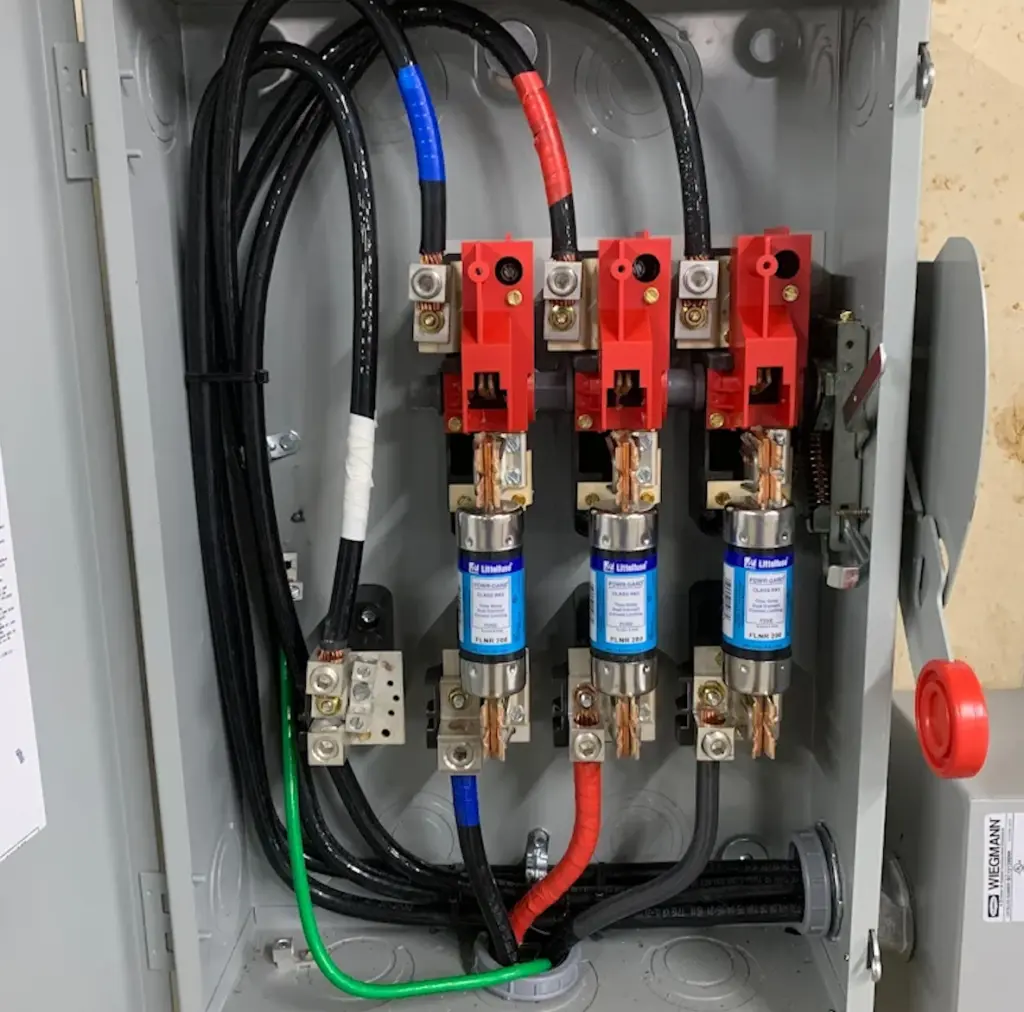
Homeowners often have additional questions before modifying electrical outlets. Understanding these answers helps ensure safe decisions.
Is Replacing A Two Prong Outlet Enough?
Simply replacing a two prong outlet with a three prong receptacle does not automatically create grounded outlets. Without a proper grounding conductor or approved GFCI receptacle installation, protection is incomplete.
Can A Ground Fault Circuit Interrupter Replace A Ground Wire?
A ground fault circuit interrupter adds protection against electrical shocks by detecting imbalance in current flow. However, it does not create a true equipment grounding conductor. It may be an acceptable solution in certain code approved situations.
Should I Attempt This Without Experience?
Working inside an electrical box carries risk, especially when dealing with grounding systems and connections near the breaker panel. Improper installation can increase shock hazards or create code violations.
Protect Your Home With Expert Electrical Service From Waybright Electric
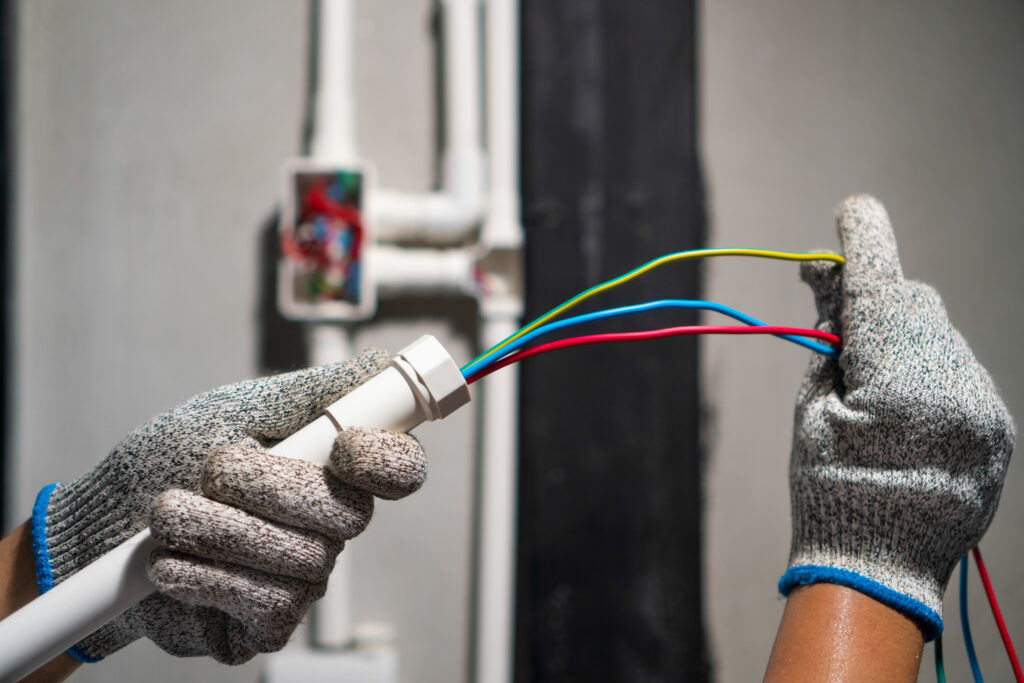
Proper grounding protects your home, your appliances, and your family from electrical shocks and system failures. Whether you need grounded outlets installed, a new ground wire run, or a full evaluation of your main electrical panel, Waybright Electric provides professional solutions built for long term safety and performance.
If you are unsure whether your electrical outlets are properly grounded, contact Waybright Electric today. Our experienced team can assess your wiring, inspect your breaker panel, and recommend safe, code compliant upgrades tailored to your home.

Recent Articles
Our Electrical Journal