
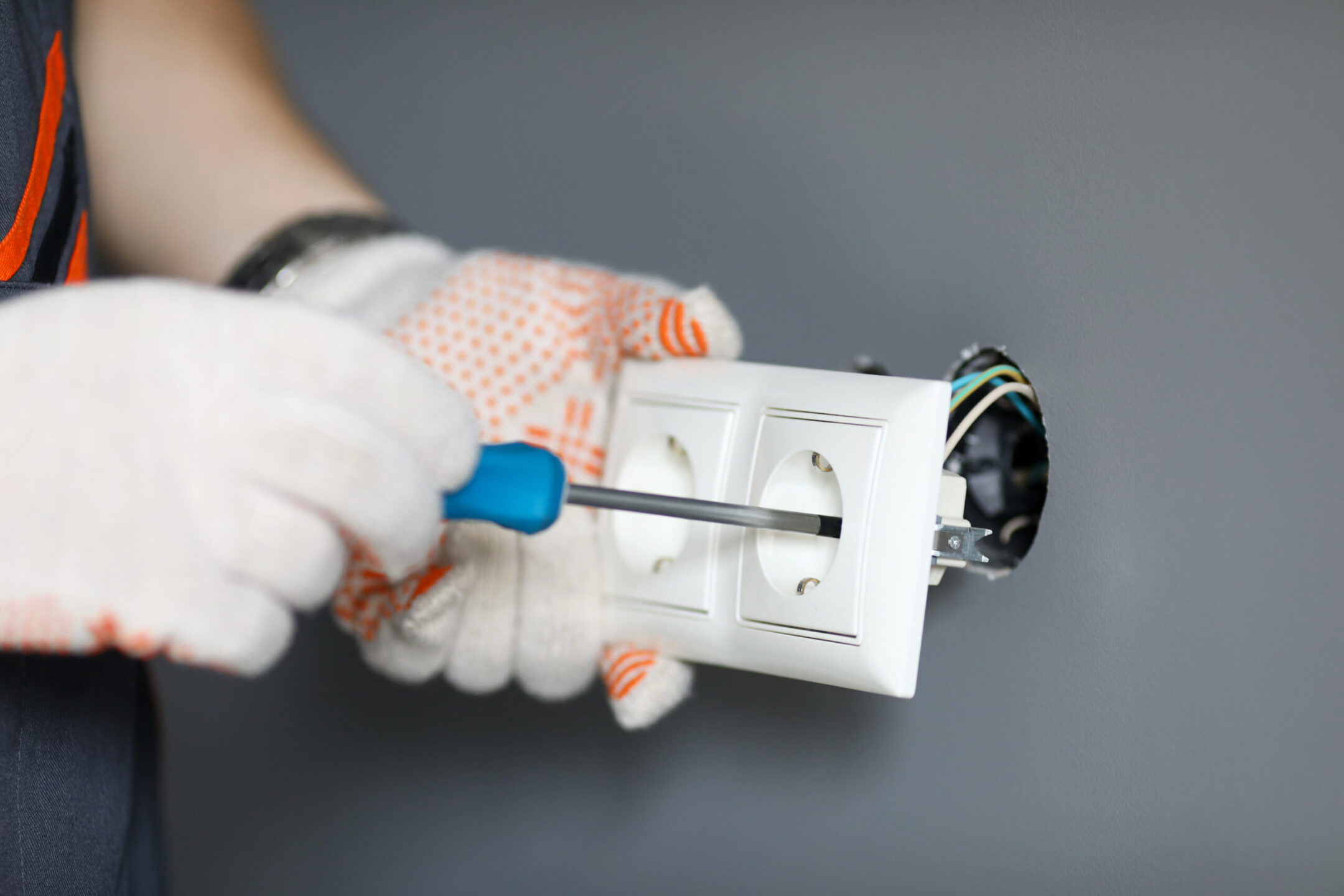
8 Steps for Wiring an Outlet (Safety, Tools, & Process)
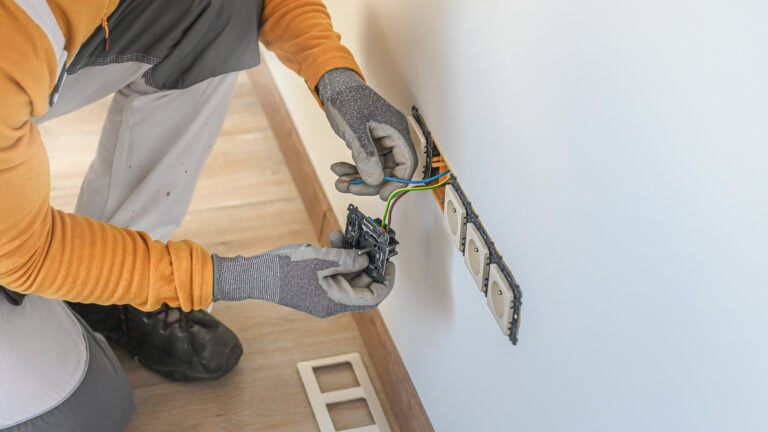
If you are researching wiring an outlet, safety and proper technique should always come first. An incorrectly wired electrical outlet can lead to electrical hazards, inconsistent power, damaged appliances, or even fire risk over time. In Tulsa, OK, many homes contain a mix of older electrical wiring and modern upgrades, which makes correct installation even more important. Whether you are replacing a worn receptacle outlet or installing a single outlet in a new location, understanding the process helps ensure safe, code compliant results.
Every outlet is part of a larger circuit that may also connect to a light switch or additional receptacles downstream. Proper connections, secure screw terminals, and tight grounding protect your home and everything plugged into it.
In this guide, we will cover:
- The tools required for wiring an outlet
- 8 essential installation steps
- Important safety considerations
- When professional help is recommended
- Common homeowner questions
Why Proper Outlet Wiring Matters
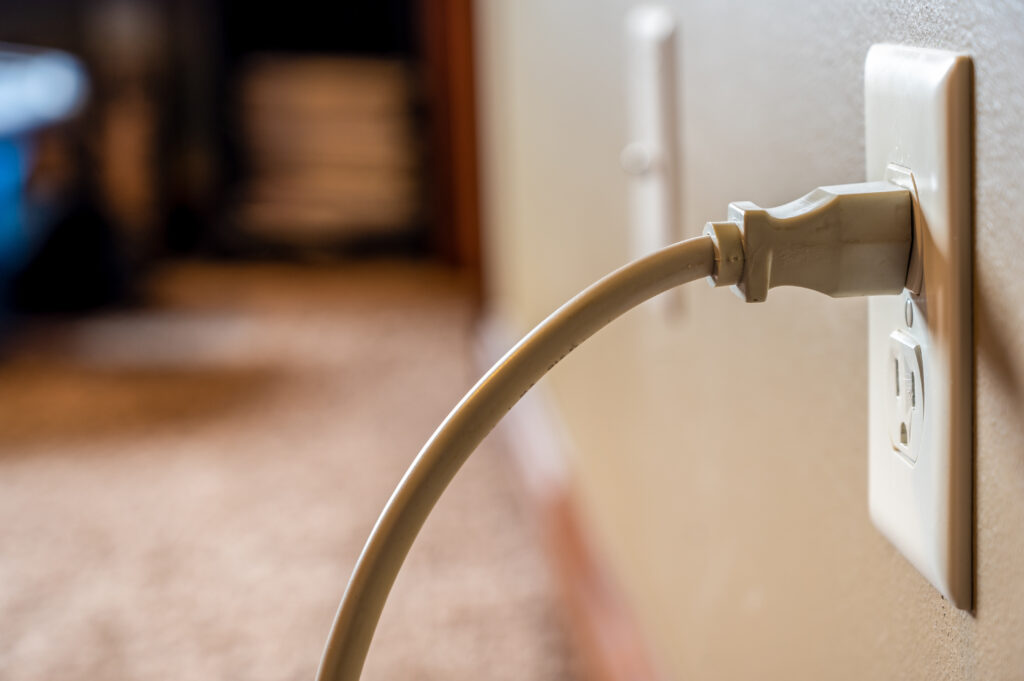
An electrical outlet is a termination point within your home’s electrical wiring system. It must safely handle current flow from hot wires through neutral conductors while maintaining proper grounding. If wiring is reversed, loose, or improperly secured to a screw terminal, the result can be overheating, arcing, or intermittent power.
Correct polarity ensures electricity flows safely from the breaker panel to the receptacle outlet and back. Even minor installation mistakes can create long term safety risks. Taking the time to wire a single outlet properly protects your home and helps prevent future electrical hazards.
We’re proud to serve home and business owners in Tulsa, OK, and nearby communities with professional outlet installation and electrical upgrades.
Tools Needed For Wiring An Outlet
Using the correct tools improves both safety and accuracy during installation.
- Voltage tester: Confirm you turn off the power before handling wires
- Insulated screwdriver: Tighten each screw terminal securely
- Wire stripper: Remove insulation from conductors cleanly
- Needle nose pliers: Shape wires for proper screw attachment
- Electrical tape: Add extra insulation when needed
- Outlet tester: Verify correct wiring after installation
Having proper tools ensures clean, tight connections that reduce long term risk.
8 Steps For Wiring An Outlet
Working inside an electrical box requires careful attention. Always confirm safety before touching any conductors.
1. Turn Off The Power At The Breaker
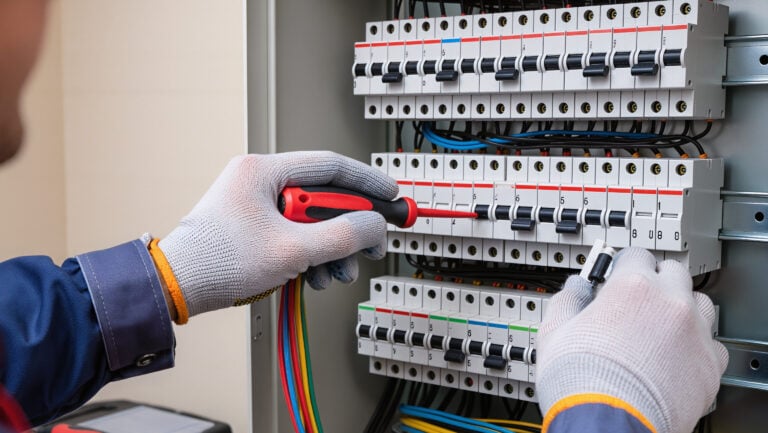
Before starting any work, turn off the power at the breaker panel. Never assume a circuit is safe without testing it first. Use a voltage tester at the electrical outlet to confirm there is no live current present.
- Locate correct breaker: Identify circuit accurately
- Turn off the power completely: Disconnect electricity to the outlet
- Test hot wires: Confirm zero voltage
Skipping this step can result in serious injury.
2. Remove The Old Outlet Or Prepare The Box
Unscrew the faceplate and carefully remove the existing receptacle outlet. If installing a new single outlet, confirm the electrical box is secure and properly sized.
- Remove mounting screws: Gently pull outlet forward
- Inspect electrical wiring: Check for brittle or damaged insulation
- Confirm box stability: Secure if loose
A stable box reduces movement and wire strain.
3. Identify The Wires
Standard 120 volt circuits include hot wires, neutral wires, and a ground conductor. Proper identification ensures safe polarity.
- Black or red wire: Hot conductor
- White wire: Neutral return path
- Bare or green wire: Ground connection
If the outlet shares a circuit with a light switch, verify how the wiring is configured before proceeding.
4. Strip The Wires Properly
If trimming or preparing conductors, strip insulation carefully without damaging copper strands.
- Use proper gauge slot: Match wire size
- Expose about 3/4 inch: Ensure full contact at screw terminal
- Avoid nicking copper: Maintain conductor strength
Clean stripping promotes secure attachment.
5. Connect The Hot And Neutral Wires
Attach the hot and neutral conductors to their designated screw terminals. Wrap the wire clockwise so tightening the screw pulls the wire snug.
- Hot wire to brass terminal: Maintain correct polarity
- Neutral wire to silver terminal: Complete circuit path
- Tighten securely: Prevent loose contact
Avoid using push in connections when possible, as side mounted screw terminals provide stronger contact.
6. Attach The Ground Wire
Grounding protects against electrical shock and helps prevent damage during faults.
- Connect to green screw terminal: Ensure solid contact
- Bond metal box if required: Maintain grounding continuity
- Confirm tight connection: Avoid loose ground path
Proper grounding significantly reduces shock risk.
7. Secure The Outlet In The Box
Carefully fold wires back into the box without crimping or damaging insulation. Keep electrical tape clear of terminals to prevent interference.
- Avoid overcrowding: Ensure adequate space
- Align outlet evenly: Prevent strain on wiring
- Tighten mounting screws: Secure receptacle outlet firmly
Correct placement prevents future connection issues.
8. Restore Power And Test
After reinstalling the faceplate, restore power at the breaker. Use an outlet tester to confirm proper wiring and polarity.
- Turn breaker back on: Restore electricity
- Test for correct wiring: Verify proper configuration
- Check for heat or buzzing: Monitor operation
Testing ensures safe installation before regular use.
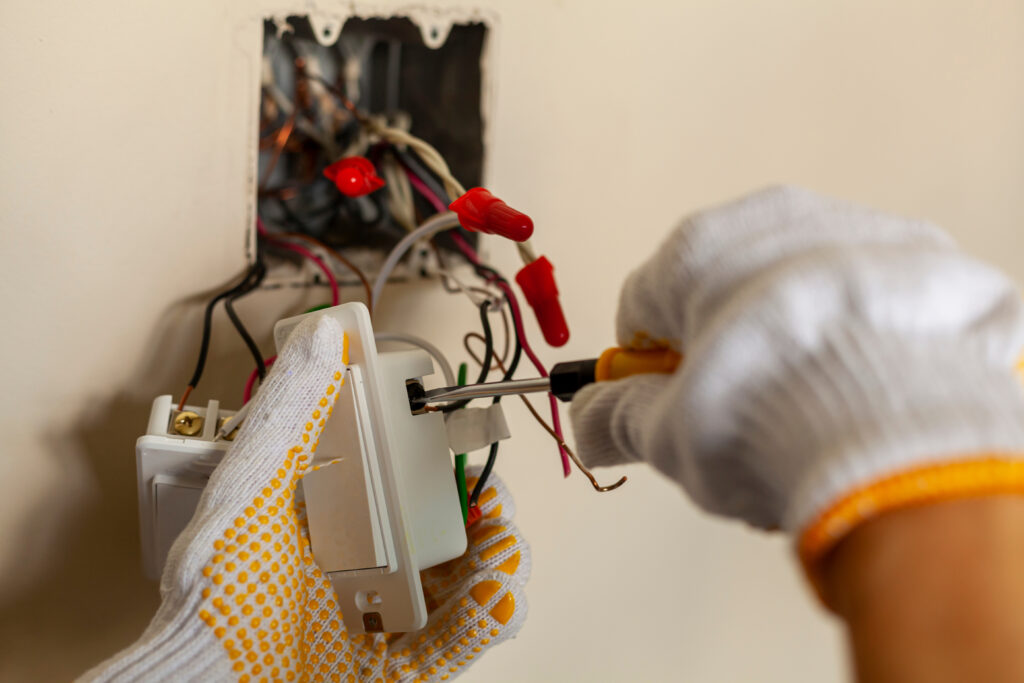
When To Call A Licensed Electrician
Although wiring an outlet may seem manageable, some situations require professional expertise. Incorrect handling of electrical wiring can create serious safety risks.
Contact a licensed electrician if you encounter:
- Aluminum wiring: Requires specialized connectors
- No visible ground wire: Older system design
- Damaged or burned hot wires: Indicates deeper issues
- Circuit tied to light switch: Complex wiring configuration
- Overfilled electrical box: Not rated for conductor count
- Frequent breaker trips: Possible overload condition
A professional ensures all connections meet current safety standards.
Common FAQs About Wiring An Outlet
Many homeowners have questions before attempting to install or replace a receptacle outlet. Understanding the basics can help determine whether the project is straightforward or requires professional support.
Below are answers to common concerns.
Is It Safe To Replace A Single Outlet Yourself?
If you are replacing an existing single outlet with identical wiring and you have confirmed you turn off the power, it may be manageable. However, uncertainty about grounding or circuit configuration warrants professional help.
What Happens If Hot And Neutral Wires Are Reversed?
Reversed polarity can create shock risk and damage certain devices. Always verify connections at the correct screw terminal positions.
Can I Use Electrical Tape Instead Of Tightening The Terminal?
No. Electrical tape is not a substitute for a properly secured screw terminal connection. Tape may provide additional insulation but does not replace mechanical fastening.
Does Every Outlet Need A Ground Wire?
Modern codes require grounding for safety. If your electrical wiring does not include a ground, consult a licensed electrician for safe upgrade options.
Safe Outlet Installation From Waybright Electric
Wiring an outlet correctly helps maintain safe and reliable performance throughout your home. Waybright Electric provides professional electrical outlet installation, troubleshooting, and upgrade services for residential and light commercial properties.
If your Tulsa, OK home needs a new receptacle outlet installed or existing electrical wiring evaluated, contact Waybright Electric today to schedule service. Our experienced team ensures every connection is completed safely, accurately, and built to last.

Recent Articles
Our Electrical Journal