
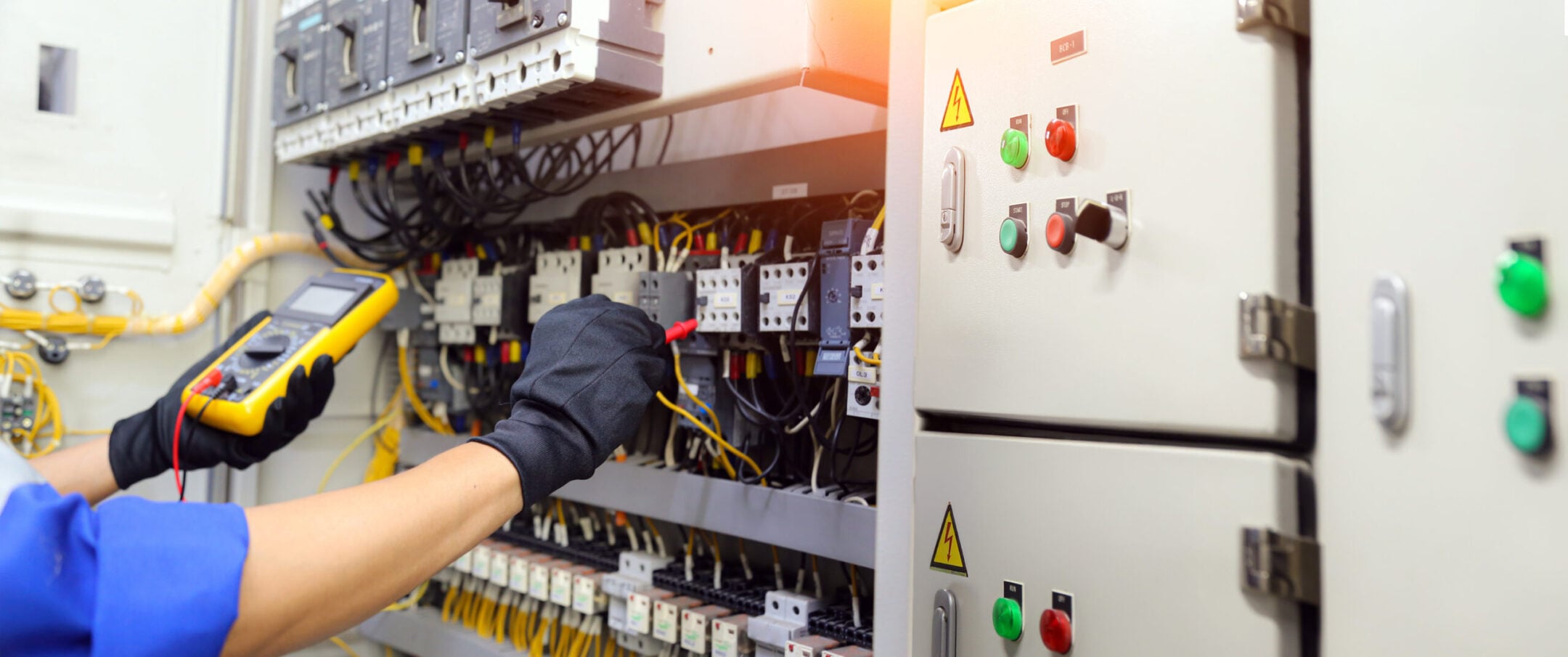
Circuit Breaker Replacement: 8 Safety Tips, Tools, & More
If you are researching circuit breaker replacement, safety should be your top priority. A faulty circuit breaker can cause frequent power interruptions, overheating, or even fire hazards if left unaddressed. In Broken Arrow, OK, many homes range from newer construction to older properties with aging panels, making breaker problems and other electrical issues a common concern. Understanding how to replace a circuit breaker, what causes breaker failure, and when to call a qualified electrician can help protect your house and your family.
Circuit breakers are designed to trip when a circuit becomes overloaded or short circuits. Over time, wear and tear, repeated tripping, or internal component failure can prevent a circuit breaker switch from functioning properly. Replacing a damaged breaker restores protection and helps maintain the integrity of your electrical panel and connected systems.
In this guide, we will cover:
- Signs a breaker needs replacement
- 8 essential safety tips
- Tools typically required
- When professional service is the safer choice
- What impacts the total cost of replacement
What Does A Circuit Breaker Do?
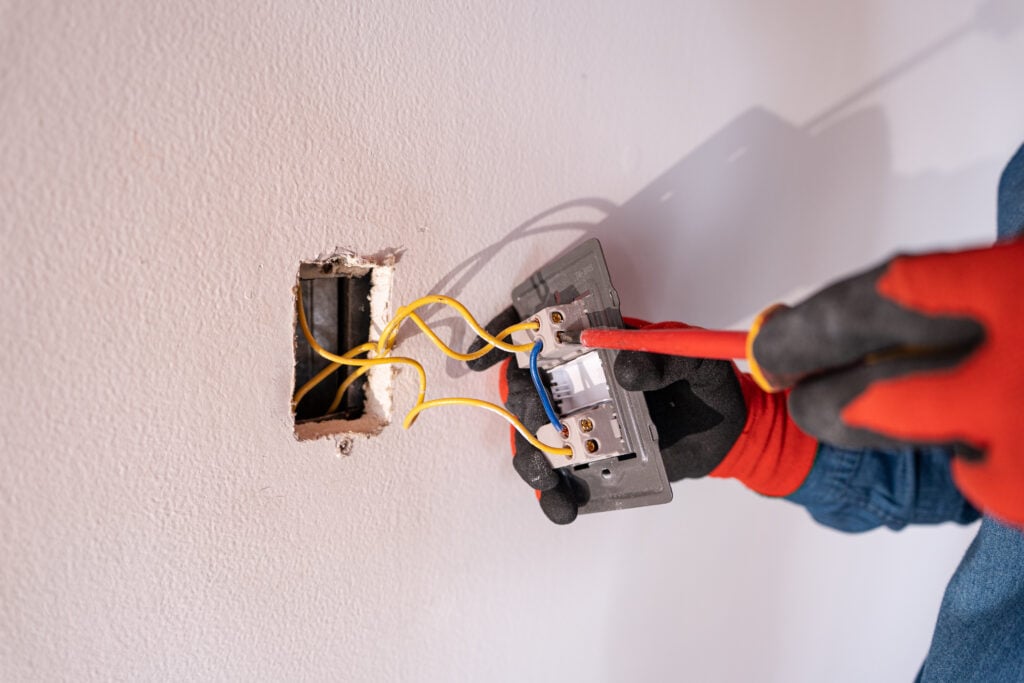
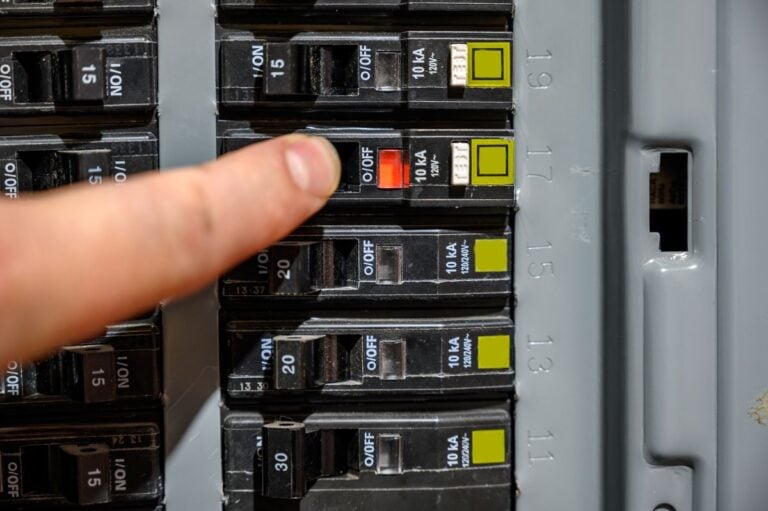
A circuit breaker is a protective device inside your circuit breaker panel that automatically shuts off power when a circuit becomes overloaded or experiences a fault. It prevents wires from overheating and significantly reduces the risk of electrical fires. Each breaker protects a specific branch circuit that powers outlets, lighting, or appliances throughout your house.
When a breaker trips occasionally, it may simply be doing its job. However, if a faulty circuit breaker trips repeatedly under normal load conditions, feels loose, or will not reset properly, you may need to replace a circuit breaker to restore safe operation. Regular maintenance and periodic inspection of your service panel help ensure your systems continue operating safely and efficiently over time.
We’re proud to serve home and business owners in Broken Arrow, OK, and nearby communities with circuit breaker installation, panel upgrades, and more.
Signs You May Need Circuit Breaker Replacement
Before replacing a breaker, it is important to confirm that the issue is not caused by overloaded circuits, damaged wiring, or appliance failure. A proper diagnosis prevents unnecessary repairs and ensures the correct solution is applied.
Common warning signs include:
- Frequent tripping: Breaker trips without obvious overload
- Burning smell: Indicates potential overheating inside the service panel
- Breaker will not reset: Circuit breaker switch fails to stay in the on position
- Visible damage: Cracks, looseness, or scorch marks
- Hot breaker surface: Excessive heat during operation
If you notice any of these electrical issues, contacting a qualified electrician is strongly recommended.
8 Safety Tips For Circuit Breaker Replacement
Replacing a breaker involves working inside the electrical panel, where live power may still be present. Extreme caution is required to prevent injury.
1. Turn Off The Main Breaker
Before beginning any work, switch off the main breaker in the electrical panel to disconnect power from branch circuits. Service conductors entering the panel may still be energized.
- Shut off main breaker: Disconnect branch circuits
- Understand live service lines: Incoming wires may remain energized
- Verify breaker location: Prevent removal mistakes
2. Confirm Power Is Off
Use a reliable voltage tester to confirm that the circuit you are working on is no longer live. Never assume power is off without testing.
- Use voltage tester: Confirm no live current
- Test terminals carefully: Verify safe working conditions
- Double check readings: Avoid accidental exposure
3. Wear Proper Safety Gear
Personal protective equipment reduces the risk of injury while working inside the circuit breaker panel.
- Insulated gloves: Minimize shock risk
- Safety glasses: Protect from sparks
- Dry conditions: Prevent moisture hazards
4. Match The Correct Amperage
When installing a new circuit breaker, always match the amperage rating and manufacturer specifications exactly. Using the wrong size can create serious safety concerns.
- Match amperage rating: Maintain proper protection
- Use compatible brand: Ensure correct fit
- Never oversize breaker: Avoid overheating risk
5. Inspect The Panel For Damage
Before completing the project, examine the electrical panel for corrosion, overheating, or damaged components. A breaker issue may indicate a larger project within the service panel.
- Check bus bars: Ensure solid connections
- Look for discoloration: Signs of overheating
- Inspect wiring condition: Confirm insulation integrity
6. Secure Wiring Properly
Proper wire termination is critical during circuit breaker installation. Loose wires can lead to arcing and additional electrical issues.
- Correct strip length: Prevent exposed copper
- Tight terminal connection: Ensure reliable contact
- Avoid over tightening: Protect terminals
7. Avoid Overcrowding The Panel
An overcrowded panel can lead to overheating and reduced airflow. Make sure the service panel is rated to accommodate additional breakers.
- Confirm panel capacity: Check available slots
- Maintain spacing: Promote airflow
- Plan for future needs: Avoid overloading
8. Test The Circuit After Installation
After installing the new circuit breaker and replacing the panel cover, restore power and test the circuit under normal load.
- Restore power gradually: Observe breaker response
- Test connected devices: Confirm stable performance
- Monitor for heat or noise: Identify abnormal conditions
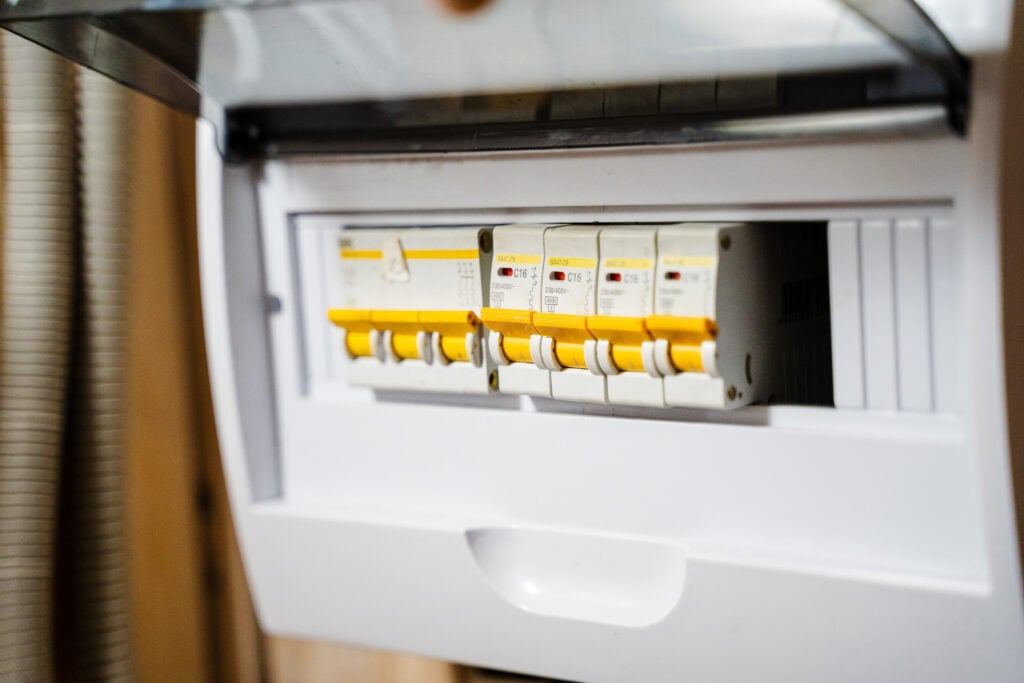
What Affects The Total Cost Of Circuit Breaker Replacement?
The total cost to replace a circuit breaker can vary depending on several factors. While some replacements are straightforward, others may require deeper inspection or panel upgrades.
- Breaker type: Standard versus specialty breakers
- Panel condition: Older panels may require additional work
- Labor complexity: Accessibility and wiring condition
- Additional repairs: Addressing related electrical issues
A qualified electrician can provide a detailed estimate after inspecting your house and service panel. Getting a professional estimate ensures you understand both the scope of the project and the expected investment.
Tools Typically Used For Breaker Replacement
Professional electricians use specialized tools for safe and precise installation. Common tools include:
- Insulated screwdriver: For terminal adjustments
- Voltage tester or multimeter: Confirm power status
- Needle nose pliers: Position conductors
- Torque screwdriver: Tighten terminals properly
- Flashlight: Improve visibility inside panel
Using proper tools improves safety and installation accuracy.
When To Call A Qualified Electrician
Circuit breaker replacement may appear simple, but working inside an energized electrical panel carries risk. If you are unsure how to safely replace a circuit breaker or if breaker problems continue after installation, contacting a qualified electrician is the safest option.
Breaker failure can sometimes indicate deeper electrical issues within your wiring, circuits, or service panel configuration. A licensed professional can determine whether you need a simple breaker swap or a more extensive electrical panel upgrade.
Reliable Breaker Replacement From Waybright Electric
Circuit breaker replacement plays a critical role in maintaining safe and reliable power in your home or business. Waybright Electric is a trusted company serving residential and light commercial customers with dependable repair and circuit breaker installation services. Our experienced technicians approach every project with precision and an ongoing commitment to safety.
If you suspect a faulty circuit breaker in your Broken Arrow, OK house, contact Waybright Electric today by phone to schedule an inspection and receive a professional estimate. We are here to ensure your electrical panel and connected systems operate safely and efficiently for years to come.

Recent Articles
Our Electrical Journal