
What Does a Blown Fuse Look Like? (6 Different Examples)
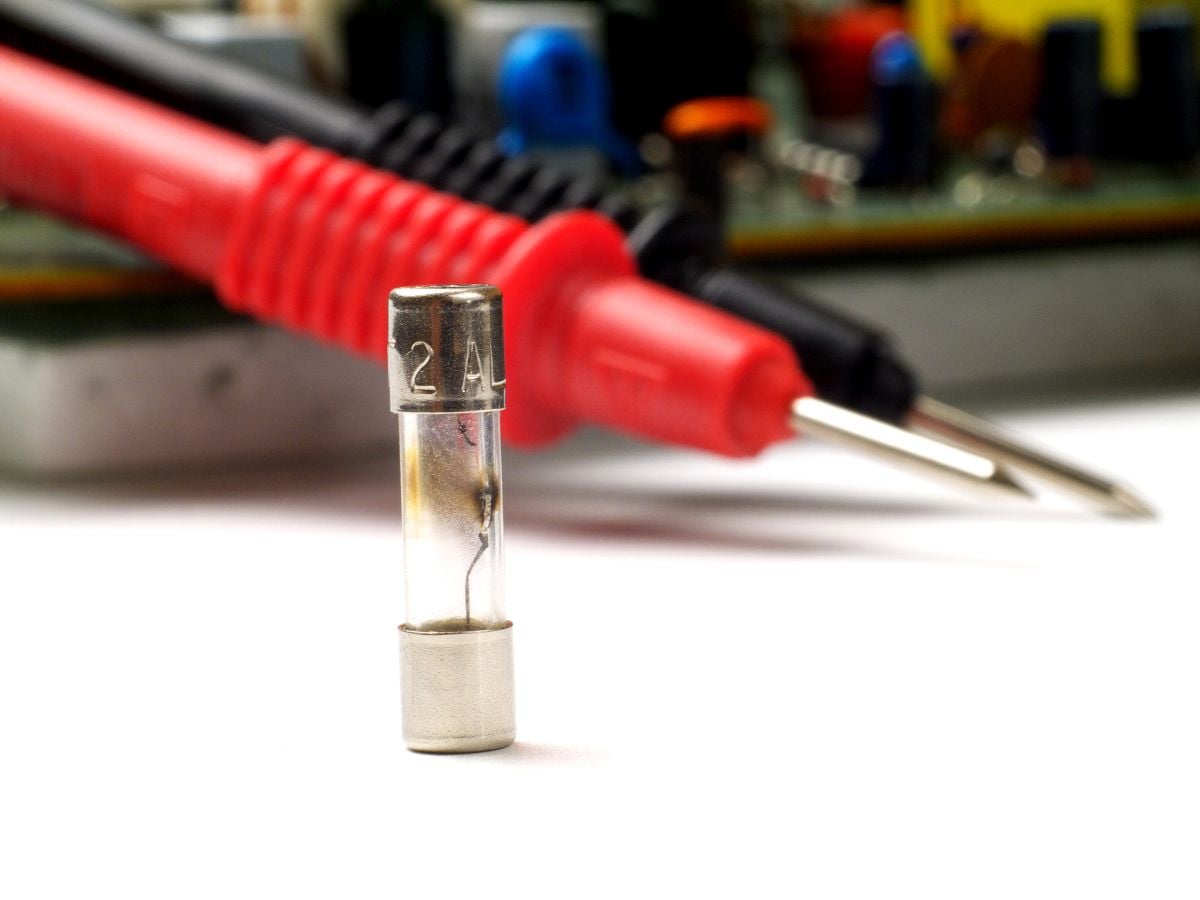
If you are searching what does a blown fuse look like, chances are you are dealing with a sudden loss of power in part of your home. Unlike circuit breakers that simply trip, a fuse physically burns out when too much current flows through it. Understanding the visual signs of a blown fuse can help you diagnose electrical issues safely and determine whether a replacement is needed.
In older homes around Tulsa, OK, fuse boxes are still occasionally found, especially in properties that have not undergone a full electrical panel upgrade. While fuse systems were once standard, they operate differently than modern breaker panels. Knowing what to look for can help you identify a blown fuse easily, prevent repeated overload problems, and determine whether your electrical system may need upgrading for more power capacity.
In this guide, we will cover:
- How a fuse works
- 6 visual examples of a blown fuse
- What causes a fuse to blow
- How to safely check a fuse
- When to call a licensed electrician
How Does A Fuse Work?
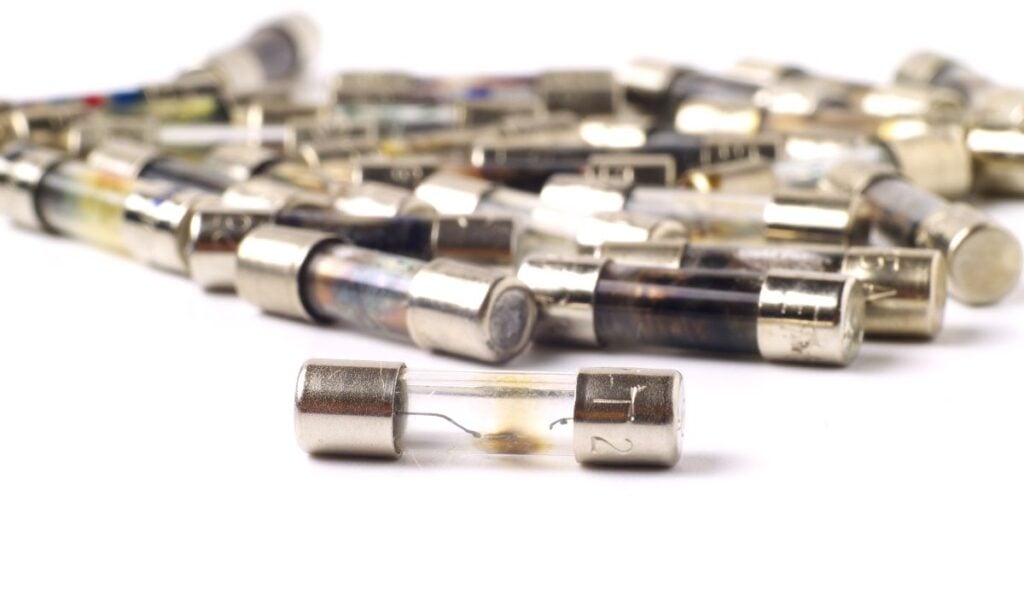
A fuse is a small electrical safety device designed to protect a circuit from overload. Inside each fuse is a thin metal strip or thin metal wire calibrated to melt when electrical current exceeds its rated amperage. When that metal melts, it breaks the electrical connection and stops electricity from flowing through the circuit.
This interruption protects wiring inside walls from overheating. Without that protection, wires could become dangerously hot and create fire hazards.
Unlike circuit breakers, fuses cannot be reset. Once a fuse blows, you must replace fuses with a new fuse of the same amperage rating. Installing a fuse with a higher rating than specified can allow too much current to pass through the wiring, increasing the risk of overheating and electrical damage.
Types Of Fuses Found In Homes
Before identifying a blown fuse, it helps to understand the two most common residential types.
- Plug fuses: Screw into the fuse box like a light bulb and are common in older homes.
- Cartridge fuses: Cylindrical fuses used for larger circuits or main service protection.
Each type shows slightly different visual clues when it fails.
6 Different Examples Of A Blown Fuse
Blown fuses can look different depending on the type and severity of the overload. Below are the most common visual signs homeowners notice.
1. Broken Or Melted Metal Strip
In glass cartridge fuses, the internal filament is often visible.
- Visible break in the filament: The thin metal strip inside the fuse is clearly separated, showing it melted due to excess current.
- Gap in the center of the fuse: In transparent fuses, the thin metal wire inside will have a visible gap or be completely missing.
- Disconnected internal wire: The fuse element no longer forms a continuous electrical path.
This is one of the most obvious indicators of a blown fuse.
2. Blackened Or Cloudy Glass
The fuse may appear foggy, blackened, or have a metallic smear on the inside of the casing, indicating the metal vaporized during a short circuit or power surge.
- Dark soot inside the tube: Burn residue forms when the metal strip vaporizes.
- Cloudy or smoky appearance: The glass becomes hazy from heat exposure.
- Black mark near the center: Concentrated discoloration where the filament failed.
Heavier blackening often suggests a stronger overload event, possibly caused by a sudden power surge.
3. Burn Marks On The Fuse Body
External damage may appear on the fuse housing.
- Charred plastic casing: The outer body shows melting or heat damage.
- Scorching near contact ends: Burn marks appear where the fuse connects to the holder.
- Darkened screw threads: Plug fuses may show discoloration around the base.
External burn damage can indicate excessive heat or poor electrical contact inside the fuse box.
4. Loose Or Rattling Internal Pieces
Sometimes the internal filament fully detaches.
- Rattling sound when shaken gently: Broken metal pieces move inside the casing.
- Visible fragments inside the fuse: Small sections of filament are floating freely.
- Misaligned internal structure: The fuse appears structurally compromised.
This confirms the fuse has completely failed and will need to be replaced with a new fuse before you can restore power safely.
5. No Visible Damage But No Power

Not all blown fuses show obvious visual damage.
- Circuit remains without power: Lights or outlets do not function.
- Filament appears intact: No visible break in the metal strip, making it difficult to spot a blown fuse easily.
- Continuity test fails: A multimeter confirms no electrical flow through the fuse.
In this case, comparing it with a good fuse can help you determine whether the element has failed internally.
6. Discoloration At The Fuse Contacts
The metal ends of the fuse may show heat stress.
- Darkened contact surfaces: Metal ends change color due to overheating.
- Corrosion or pitting: Repeated heat exposure weakens connection points.
- Burn staining near fuse holder: Surrounding components show heat marks.
Contact discoloration can indicate repeated overload rather than a single event.
What Causes A Fuse To Blow?
A fuse blows when current exceeds its rated capacity. Common causes include:
- Overloaded circuit: Too many appliances drawing power at once.
- Short circuit: Direct contact between hot and neutral wiring.
- Ground fault: Electricity escaping its intended path.
- Faulty appliance: Internal wiring failure inside equipment.
- Aging wiring: Electrical system no longer handling demand safely.
For example, running multiple high wattage appliances on one circuit can easily exceed the fuse rating. A sudden power surge can also overwhelm the thin metal wire inside the fuse. The fuse sacrifices itself to protect the wiring.
If a replacement fuse blows immediately after installation, the issue likely involves a short circuit or wiring problem rather than the fuse itself.
How To Safely Check A Fuse
Before inspecting household fuses, it’s important to turn off the main power at the circuit box and stand on a dry, non-conductive surface.
- Main disconnect off: Prevents accidental contact with live components.
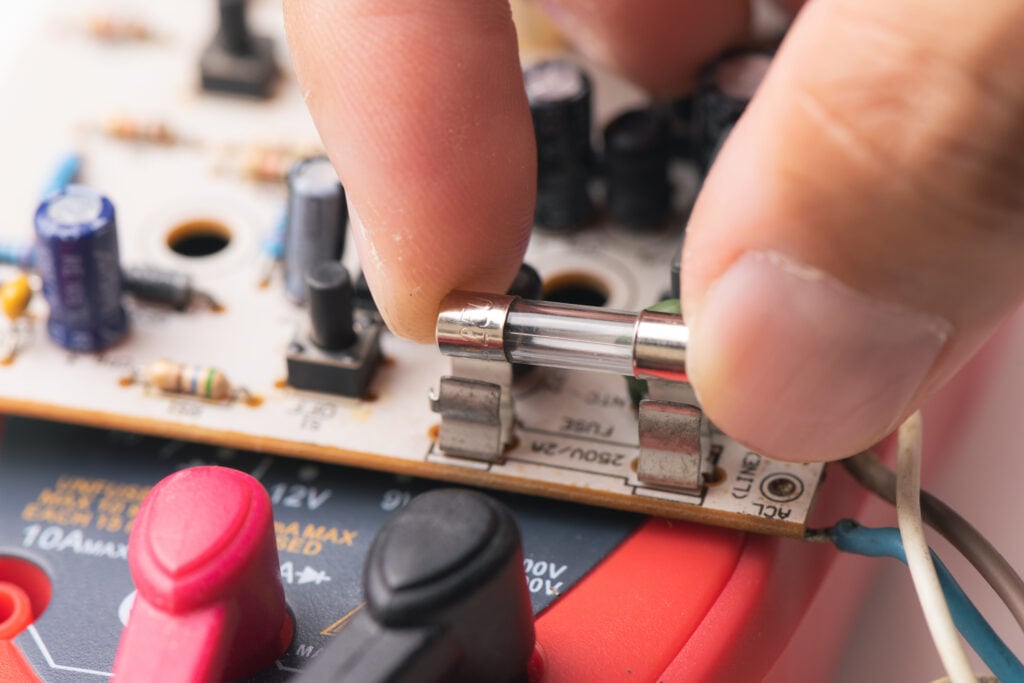
- Careful removal: Unscrew or remove the fuse gently.
- Visual inspection first: Look for breaks or discoloration.
- Continuity test second: Use a multimeter to confirm electrical flow.
- Correct amperage replacement: Always install a new fuse with the same rating.
After replacing the fuse, turn power back on carefully to restore power safely. If the fuse blows again immediately, do not continue attempting to replace fuses repeatedly. A deeper issue may be present.
Never install a higher amperage fuse as a temporary fix. Doing so defeats the safety purpose of the fuse and can allow too much current to flow through wiring designed for less power.
Fuse Box Vs Circuit Breaker Panel
Many older homes still rely on fuse boxes instead of breaker panels.
| Feature | Fuse Box | Circuit Breaker Panel |
| Resettable | No | Yes |
| Replacement Required | Yes | No |
| Convenience | Lower | Higher |
| Capacity Expansion | Limited | Easier |
| Modern Safety Features | Minimal | Advanced options available |
Breaker panels provide improved convenience, higher capacity, and additional safety protections for modern homes that require more power for appliances and technology.
Signs It May Be Time To Upgrade
If your home experiences frequent blown fuses, it may indicate the electrical system is outdated or undersized. According to the Electrical Safety Foundation International, all electrical distribution systems should have an inspection conducted if the home is older than 40 years or has had a major addition, renovation, or layout change — making frequent blown fuses in an aging fuse box one of the clearest signs that a professional evaluation is overdue.
- Frequent fuse replacement: Circuits overloaded regularly.
- Flickering lights: Inconsistent voltage delivery.
- Warm fuse box cover: Heat buildup inside panel.
- Limited outlet availability: Heavy reliance on extension cords.
- Need for more power: Electrical demand exceeds system capacity.
Upgrading to a breaker panel can improve reliability and overall safety.
How Electricians Replace A Blown Fuse
While replacing a fuse may appear simple, licensed electricians follow a structured process to ensure the underlying issue is identified and power is restored safely. Professionals do not just swap the fuse. They verify system integrity before re-energizing the circuit.
- Verify circuit de-energization: Use a voltage tester or multimeter to confirm the fuse socket is not live before touching internal components.
- Inspect the fuse and holder condition: Check for heat damage, corrosion, loose contacts, or signs of arcing inside the fuse box.
- Diagnose the cause of failure: Determine whether the fuse blew due to overload, short circuit, ground fault, or power surge before installing a replacement.
- Confirm correct amperage and fuse type: Match the exact rating and classification to ensure proper circuit protection.
- Test downstream wiring and devices: Check the connected circuit for faults that could immediately blow the new fuse.
- Install the new fuse properly: Secure the replacement without overtightening and ensure solid contact alignment.
- Re-energize and monitor the circuit: Restore power and verify stable operation under normal load conditions.
If a fuse fails repeatedly, professionals may recommend upgrading to a modern breaker panel to improve safety, capacity, and reliability.
When To Call A Licensed Electrician
Repeated failure may indicate an underlying electrical issue that requires professional inspection.
- Fuses blow repeatedly: Underlying overload or short circuit present.
- Burning smell near panel: Potential overheating inside box.
- Damaged fuse holder: Loose or deteriorated connections.
- Uncertainty about amperage rating: Risk of improper replacement.
- Outdated fuse system: Home may benefit from modernization.
Professional evaluation ensures your electrical system operates safely and efficiently.
Upgrade Your Electrical System With Waybright Electric
If you are dealing with blown fuses or an aging fuse box in Tulsa, OK, it may be time to consider a modern upgrade. Waybright Electric provides professional panel inspections, fuse box replacements, and electrical system improvements designed to increase safety and reliability.
If you are unsure what a blown fuse looks like, need help identifying a good fuse versus a failed one, or are tired of having to replace fuses, contact Waybright Electric today. Our experienced team will evaluate your system and recommend the safest and most practical solution for your home.

Recent Articles
Our Electrical Journal