
8 Key Differences Between a Fuse Box vs Circuit Breaker
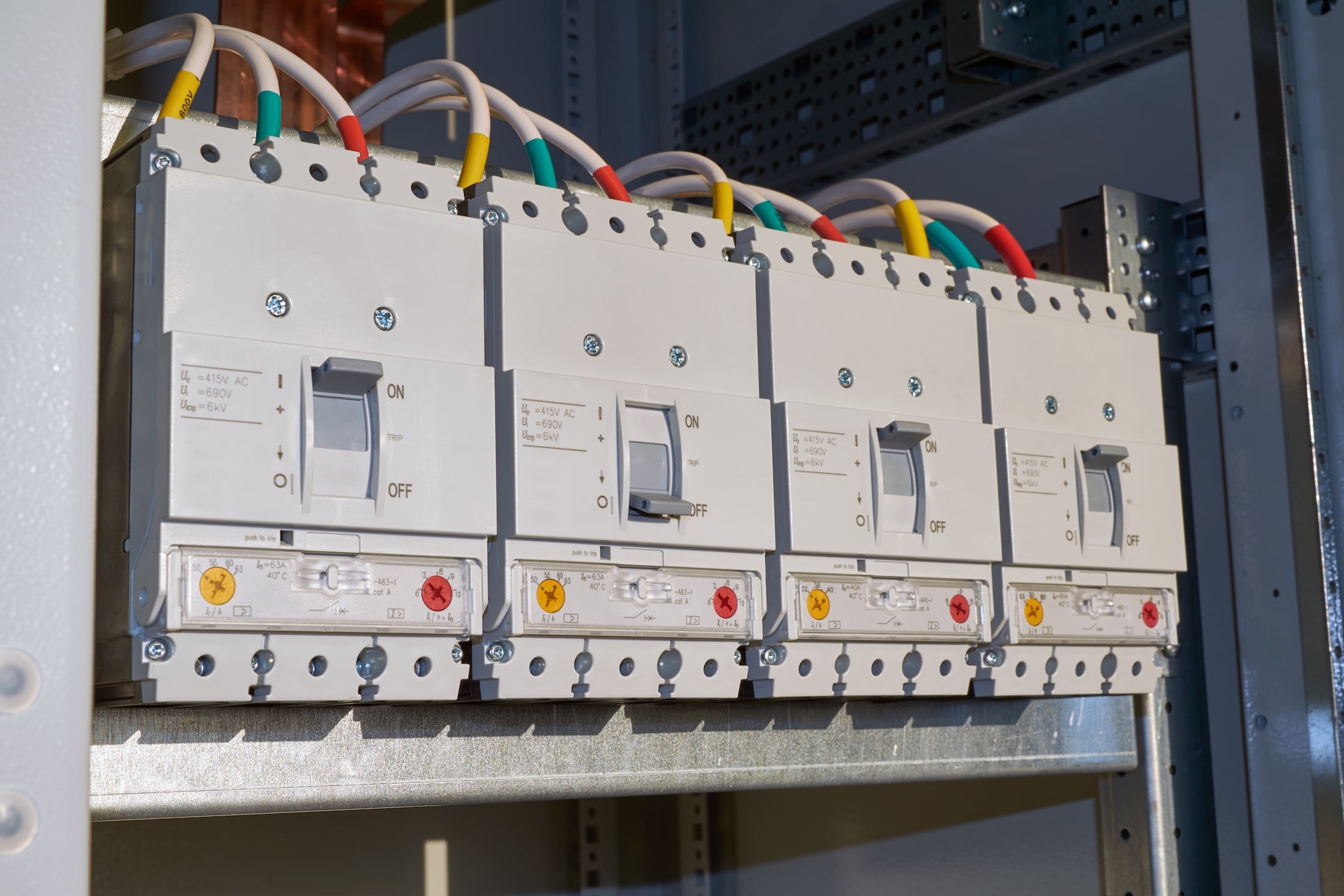
If you’re comparing a fuse box vs circuit breaker, you’re likely trying to determine which type of electrical protection system your home uses and whether an upgrade may be beneficial. While both systems are designed to prevent overloaded circuits and reduce fire risks, they operate differently and offer varying levels of convenience, capacity, and safety.
Many older homes still rely on fuse boxes, while most modern homes use circuit breaker panels. Understanding the differences can help homeowners make informed decisions about maintenance, upgrades, and overall electrical safety. If you’re evaluating an older electrical setup, professional electrical panel and circuit services can help determine whether your system is meeting today’s demands.
In this guide, we’ll cover:
- How fuse boxes work
- How circuit breakers work
- 8 major differences between the two
- Which system is best for modern homes
- Common FAQs
What Is A Fuse Box?
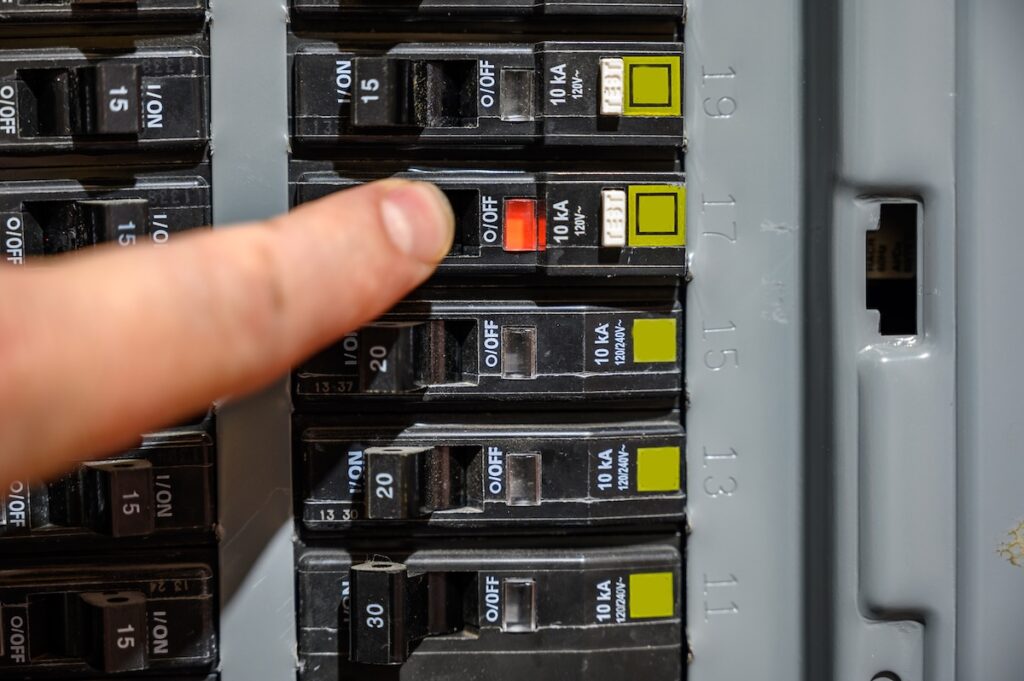
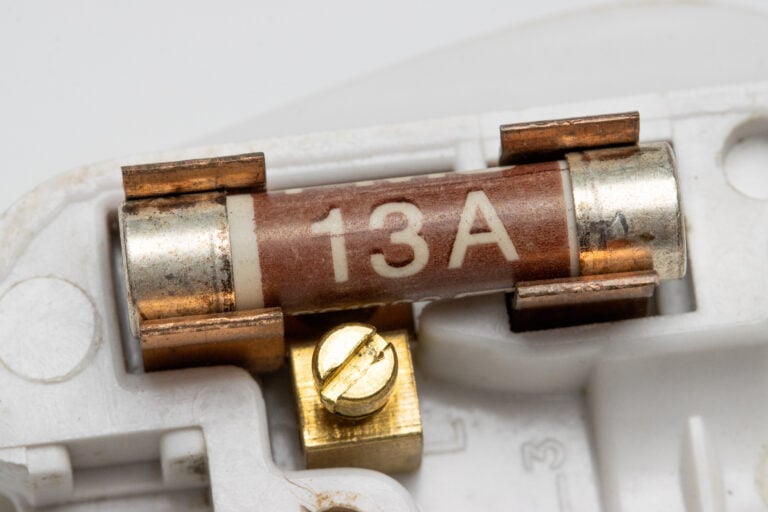
A fuse box protects electrical circuits using individual fuses. Each fuse contains a thin metal strip that melts when electrical current exceeds its rated capacity. Once the strip melts, power stops flowing through the circuit. Fuse boxes were widely used for decades and can still be found in many older homes. While effective, they require manual replacement whenever a fuse blows.
Common characteristics of fuse boxes include:
- Single-use protection: Fuses must be replaced after activation.
- Older technology: Common in homes built many decades ago.
- Lower service capacity: Often not designed for modern electrical demands.
- Manual maintenance: Requires homeowners to keep replacement fuses available.
What Is A Circuit Breaker Panel?
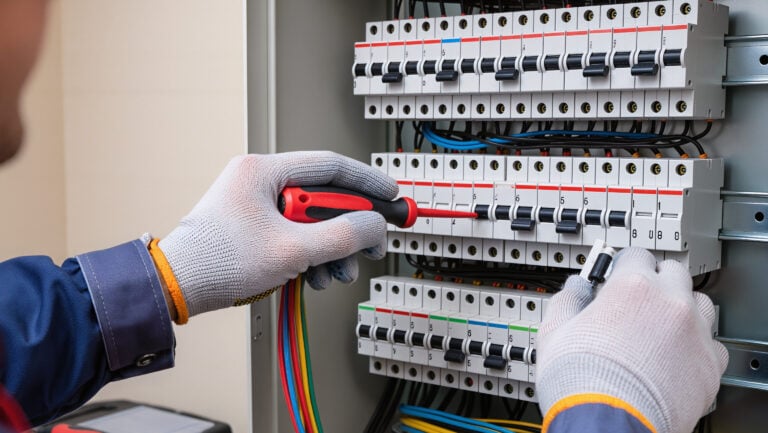
A circuit breaker panel performs the same basic protective function but uses reusable breakers instead of fuses. When a circuit becomes overloaded, the breaker trips and shuts off power.
After the issue is resolved, the breaker can simply be reset rather than replaced.
Modern breaker panels typically provide:
- Reusable protection: No replacement parts needed after tripping.
- Higher amperage capacity: Supports today’s electrical needs.
- Improved safety features: Allows GFCI and AFCI protection.
- Easier expansion: Supports additional circuits and upgrades.
Most homes built in recent decades use circuit breaker panels rather than fuse boxes.
8 Key Differences Between Fuse Boxes And Circuit Breakers
Although both systems provide circuit protection, several differences affect convenience, safety, and long-term performance.
1. Reset Capability
One of the biggest differences is what happens after an overload occurs.
- Fuse box: Requires replacing the blown fuse.
- Circuit breaker: Can simply be reset.
- Convenience advantage: Breakers restore power faster.
This is often one of the first reasons homeowners choose to upgrade.
2. Maintenance Requirements
Fuse systems require more ongoing attention than breaker panels.
- Fuse replacement: Necessary after each blown fuse.
- Breaker resetting: Requires no replacement parts.
- Reduced maintenance: Modern panels are easier to manage.
Less maintenance often translates to greater convenience over time.
3. Electrical Capacity
Today’s homes use significantly more electricity than homes built decades ago.
- Fuse boxes: Often support lower amperage ratings.
- Breaker panels: Commonly provide 150-200 amp service.
- Modern compatibility: Better suited for current household demands.
Capacity becomes increasingly important as new appliances and devices are added.
4. Expansion Potential
Homeowners frequently add circuits through renovations and upgrades.
- Fuse boxes: Limited flexibility.
- Breaker panels: Easier to expand.
- Additional circuits: More practical to install.
Expansion flexibility helps accommodate future electrical needs.
5. Safety Features
Modern protection devices provide additional safeguards.
- Fuse systems: Basic overcurrent protection.
- Breaker systems: Can incorporate advanced protection technologies.
- Enhanced safety: Helps reduce electrical hazards.
Modern code requirements often rely on breaker-based safety devices.
6. Troubleshooting Convenience
Finding and correcting problems is often easier with breakers.
- Visual indication: Tripped breakers are easy to identify.
- Fuse inspection: Requires determining which fuse failed.
- Faster diagnosis: Breakers simplify troubleshooting.
This can reduce downtime when problems occur.
7. Long-Term Cost
Although fuse systems may still function properly, maintenance costs can add up.
- Replacement fuses: Ongoing expense over time.
- Breaker resets: Typically no replacement cost.
- Upgrade value: Modern panels often provide better long-term convenience.
Cost considerations become more important as systems age.
8. Home Resale Appeal
Updated electrical infrastructure can be attractive to buyers.
- Older fuse systems: May raise concerns during inspections.
- Breaker panels: More commonly expected in modern homes.
- Potential value impact: Updated systems may improve buyer confidence.
Electrical upgrades can contribute to overall property appeal.
Fuse Box Vs Circuit Breaker Comparison Table
| Feature | Fuse Box | Circuit Breaker |
| Reusable Protection | No | Yes |
| Requires Replacement Parts | Yes | No |
| Modern Safety Features | Limited | Extensive |
| Expansion Flexibility | Limited | High |
| Typical Capacity | Lower | Higher |
| Troubleshooting Ease | Moderate | Easier |
| Maintenance Requirements | Higher | Lower |
| Modern Home Compatibility | Limited | Excellent |
This comparison highlights why most newer homes rely on breaker panels.
Which System Is Better For Modern Homes?
Both fuse boxes and circuit breakers can protect electrical circuits from overload conditions. However, modern households place significantly greater demands on their electrical systems. According to the U.S. Department of Energy’s Building Science Education resource, many modern homes have 200 amp panels, but it is not unusual for older homes to have 100 amp units — and low-capacity panels in older homes often cannot accommodate new loads like EV chargers and heat pumps according to current National Electrical Code rules — making panel capacity one of the most important considerations for homeowners evaluating whether to upgrade from an older fuse system
Today’s homes often include:
- Large HVAC systems
- Home office equipment
- Electric vehicle chargers
- Smart home devices
- Modern kitchen appliances
For most homeowners, a circuit breaker panel offers greater flexibility, capacity, and convenience.
Signs It May Be Time To Upgrade
Even if your fuse box still functions, certain signs may indicate it’s time to consider an upgrade.
- Frequent blown fuses
- Limited electrical capacity
- Home renovation plans
- Outdated electrical equipment
- Difficulty finding replacement fuses
- Insurance or inspection concerns
A professional inspection can determine whether an upgrade is necessary.
Common FAQs
Many homeowners have questions about fuse boxes and breaker panels when evaluating older electrical systems.
Are Fuse Boxes Unsafe?
Not necessarily. A properly maintained fuse box can still provide protection. However, older systems may lack the capacity and safety features found in modern breaker panels.
Can A Fuse Box Be Upgraded To A Circuit Breaker Panel?
Yes. Many homes undergo panel upgrades that replace the fuse box with a modern breaker panel. The scope of work depends on the condition of the existing electrical system.
Why Do Fuses Blow?
Fuses typically blow when circuits become overloaded, experience a short circuit, or develop a fault condition that exceeds the fuse rating.
Is A Circuit Breaker Better Than A Fuse?
Both provide protection, but circuit breakers offer greater convenience, easier maintenance, and compatibility with modern electrical demands.
Upgrade Your Electrical Panel With Waybright Electric
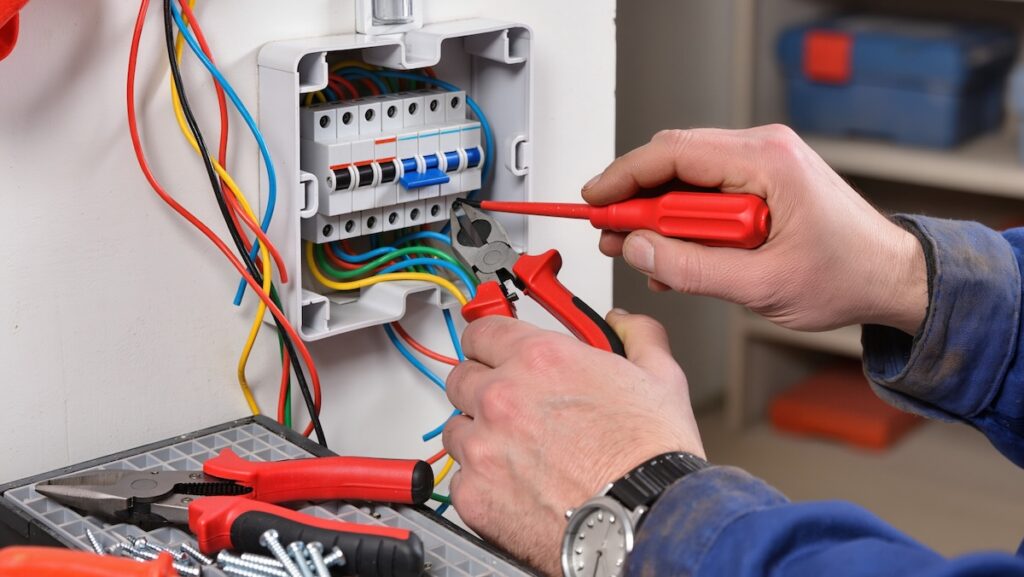
Understanding the differences between a fuse box and circuit breaker panel can help you make informed decisions about your home’s electrical infrastructure. Whether you’re evaluating an older system or planning future upgrades, professional guidance can help ensure safety and reliability.
Waybright Electric provides inspections, panel upgrades, and electrical system improvements throughout the Tulsa area. If you’re considering an electrical panel upgrade or need help evaluating an older fuse box, schedule your panel evaluation today. Our experienced electricians can assess your system and recommend solutions that support your home’s current and future electrical needs.

Recent Articles
Our Electrical Journal