
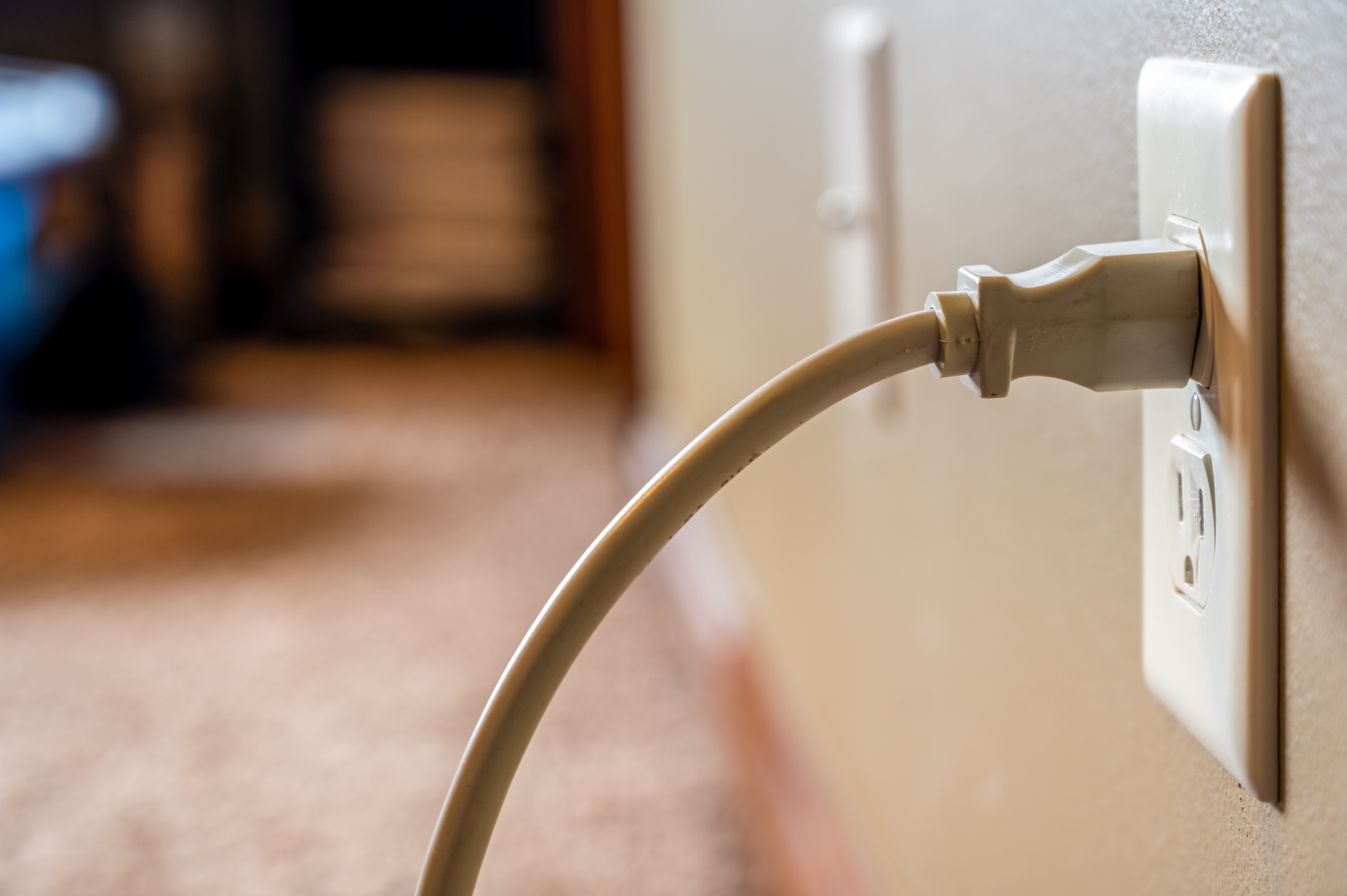
9 Reasons Your Outlet Isn’t Working (And What To Do Next)
If you have an outlet not working in your home, it can be frustrating and inconvenient. Whether you’re trying to charge a phone, power an appliance, or use everyday electronics, a dead outlet can disrupt your routine. Fortunately, an outlet that suddenly stops working does not always indicate a major electrical problem.
In many cases, the cause may be something simple, such as a tripped breaker or GFCI outlet. However, some situations can point to hidden wiring issues that require professional attention. For homeowners experiencing recurring outlet problems, professional outlet and wiring services can help identify the cause and restore safe, reliable power.
In this guide, we’ll cover:
- Common reasons outlets stop working
- How electricians diagnose outlet problems
- Signs of a larger electrical issue
- When to call a professional
- Frequently asked questions
Why Do Electrical Outlets Stop Working?

Electrical outlets depend on multiple components working together properly. Power must travel from the electrical panel through wiring and into the receptacle. If any part of that system fails, the outlet may stop functioning.
Some issues are simple and temporary, while others may indicate worn components, damaged wiring, or circuit problems that should be addressed promptly.
9 Reasons Your Outlet Isn’t Working
There are several possible reasons an outlet loses power. Understanding the most common causes can help narrow down the issue.
1. A Tripped Circuit Breaker
One of the most common causes of a dead outlet is a tripped breaker.
- Overloaded circuits: Too many devices operating at once.
- Short circuits: Wiring faults trigger breaker protection.
- Ground faults: Safety mechanisms disconnect power.
A quick inspection of the breaker panel can sometimes reveal the issue.
2. A Tripped GFCI Outlet
Ground fault circuit interrupter outlets are designed to shut off power when they detect abnormal current flow.
- Bathroom outlets: Common GFCI locations.
- Kitchen receptacles: Frequently protected by GFCIs.
- Garage circuits: Often include GFCI protection.
In many homes, one GFCI outlet can control several outlets on the same circuit.
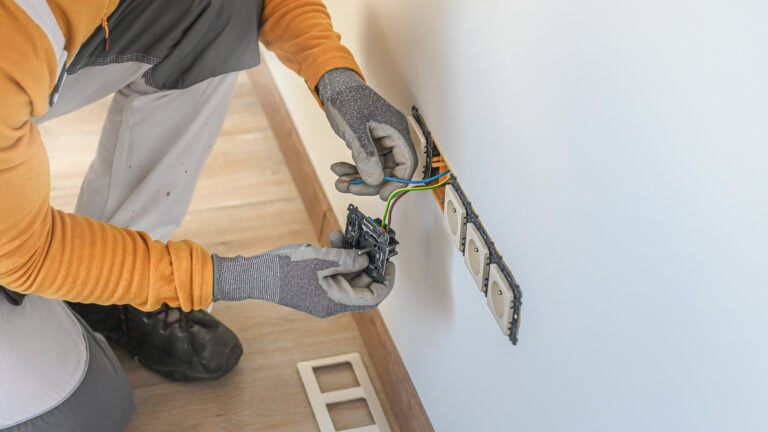
3. Loose Wiring Connections
Over time, wiring connections can loosen due to normal use, vibration, or age.
- Loose terminal screws: Reduce electrical contact.
- Backstab connection failures: Common in older outlets.
- Intermittent power loss: Outlets may work inconsistently.
Loose connections should be addressed promptly to prevent overheating.
4. A Damaged Outlet
Sometimes the outlet itself is the problem.
- Worn receptacle contacts: Plugs no longer fit securely.
- Cracked outlet body: Physical damage affects performance.
- Burned components: Internal damage interrupts power flow.
Replacing damaged outlets often restores functionality.
5. A Tripped AFCI Device
Arc fault circuit interrupters protect against dangerous arcing conditions.
- Bedroom circuits: Frequently AFCI protected.
- Modern code requirements: Common in newer homes.
- Safety shutoffs: May disable power until reset.
Many homeowners mistake AFCI trips for outlet failures.
6. A Failed Connection Upstream
The problem may not be at the outlet itself.
- Shared circuits: Multiple outlets connected together.
- Upstream wiring failures: Affect downstream receptacles.
- Hidden junctions: Problems can exist behind walls.
Electricians often inspect nearby outlets when troubleshooting.
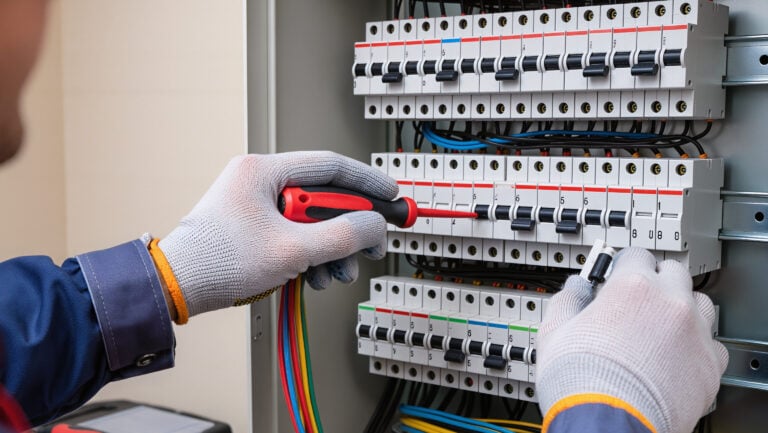
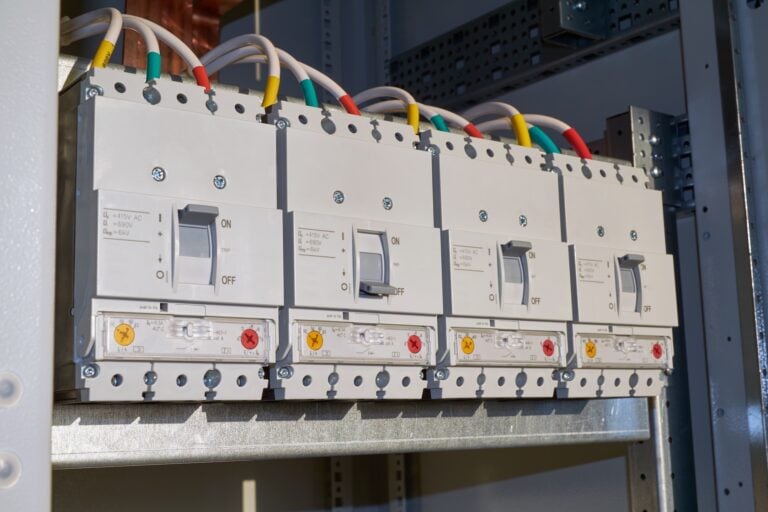
7. Electrical Panel Issues
Occasionally the source of the problem originates in the electrical panel.
- Loose breaker connections: Interrupt power delivery.
- Aging breakers: May fail internally.
- Panel wear: Older equipment can create reliability issues.
Panel-related problems should be evaluated professionally.
8. Burned Or Damaged Wiring
Damaged conductors can prevent power from reaching an outlet.
- Overheating: Damages insulation and wiring.
- Rodent damage: Can affect electrical conductors.
- Age-related deterioration: Older wiring systems may fail.
Wiring repairs should always be handled carefully.
9. The Outlet Has Simply Reached The End Of Its Life
Like any electrical component, outlets wear out.
- Years of daily use: Internal contacts loosen.
- Repeated plugging and unplugging: Accelerates wear.
- Reduced performance: Creates unreliable operation.
Replacing worn outlets often improves both safety and convenience.
How Electricians Diagnose A Dead Outlet
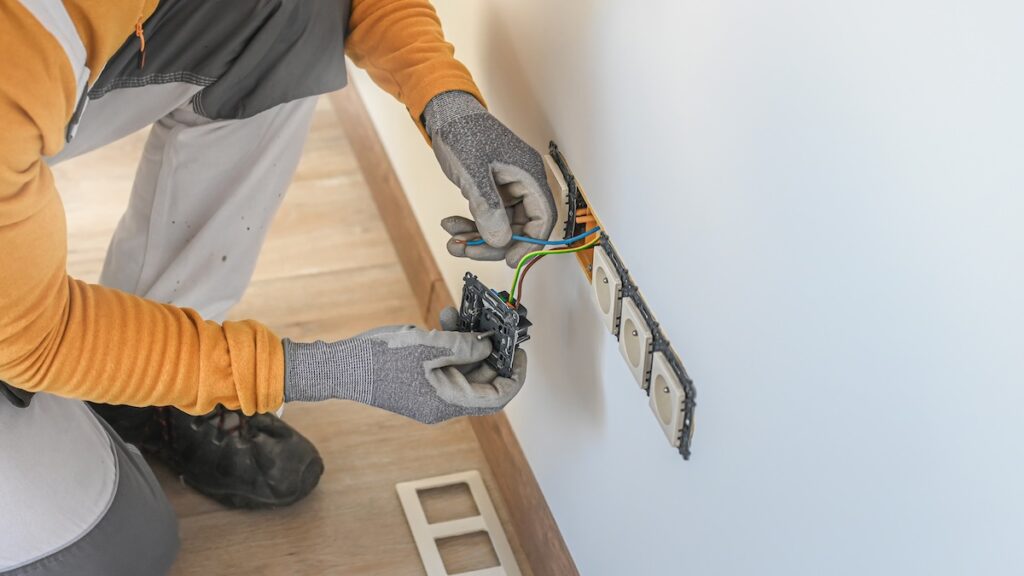
Determining why an outlet stopped working involves more than simply replacing the receptacle. Professional electricians follow a structured troubleshooting process. According to the Electrical Safety Foundation International, outlets with test and reset buttons are either an AFCI, GFCI, or a combination of both, and testing them monthly is essential to confirm they are working correctly — a step that professional electricians include as part of any thorough outlet diagnosis to rule out tripped protection devices before investigating deeper wiring issues.
- Inspect the outlet: Look for visible damage.
- Use a voltage tester: Verify power conditions.
- Check nearby outlets: Identify shared circuit issues.
- Inspect the breaker panel: Confirm breaker operation.
- Test wiring connections: Locate hidden faults.
This systematic approach helps identify the true source of the problem.
Common Outlet Problems Comparison
| Problem | Possible Solution |
| Tripped breaker | Reset breaker |
| Tripped GFCI | Reset GFCI outlet |
| Loose wiring | Repair connections |
| Damaged receptacle | Replace outlet |
| Burned wiring | Professional repair |
| Panel issue | Electrical inspection |
Proper diagnosis is essential because multiple issues can produce similar symptoms.
Signs The Problem Is More Serious
While some outlet problems are minor, others may indicate a larger electrical concern.
- Burning odors: Potential overheating.
- Discolored outlets: Evidence of heat damage.
- Frequent breaker trips: Ongoing circuit issues.
- Sparking outlets: Possible wiring faults.
- Warm outlet covers: Excessive heat buildup.
These warning signs should not be ignored.
When To Call An Electrician
Some outlet problems can be identified quickly, but persistent issues often require professional troubleshooting. If an outlet repeatedly stops working, affects multiple receptacles, or shows signs of overheating, a licensed electrician should evaluate the system.
Professional inspections help identify hidden wiring problems, damaged connections, and safety concerns before they become larger issues.
Common FAQs
Dead outlets are a common household issue, but many homeowners have questions about the causes and solutions.
Can An Outlet Stop Working Without Tripping A Breaker?
Yes. Loose wiring, damaged receptacles, failed connections, and worn outlets can all cause an outlet to stop working even when the breaker remains on.
Why Did Multiple Outlets Stop Working At Once?
Multiple outlets often share the same circuit. A tripped GFCI, loose connection, or upstream wiring issue may affect several outlets simultaneously.
Is A Dead Outlet Dangerous?
It can be. While some causes are minor, dead outlets can sometimes indicate damaged wiring, overheating, or other electrical hazards that should be inspected.
Should I Replace The Outlet Myself?
If you’re unsure of the cause, replacing the outlet may not solve the problem. Professional troubleshooting can help determine whether the issue involves the outlet, wiring, breaker, or another component.
Get Your Outlet Working Again With Waybright Electric
A non-functioning outlet can be inconvenient, but it may also indicate a larger electrical issue that deserves attention. Proper diagnosis helps ensure the problem is resolved safely and completely.
Waybright Electric provides professional outlet troubleshooting, repairs, inspections, and wiring solutions throughout the Tulsa area. If you’re dealing with a dead outlet or recurring electrical issues, schedule your electrical inspection today. Our experienced electricians can identify the cause, recommend the right solution, and restore dependable power to your home.

Recent Articles
Our Electrical Journal