
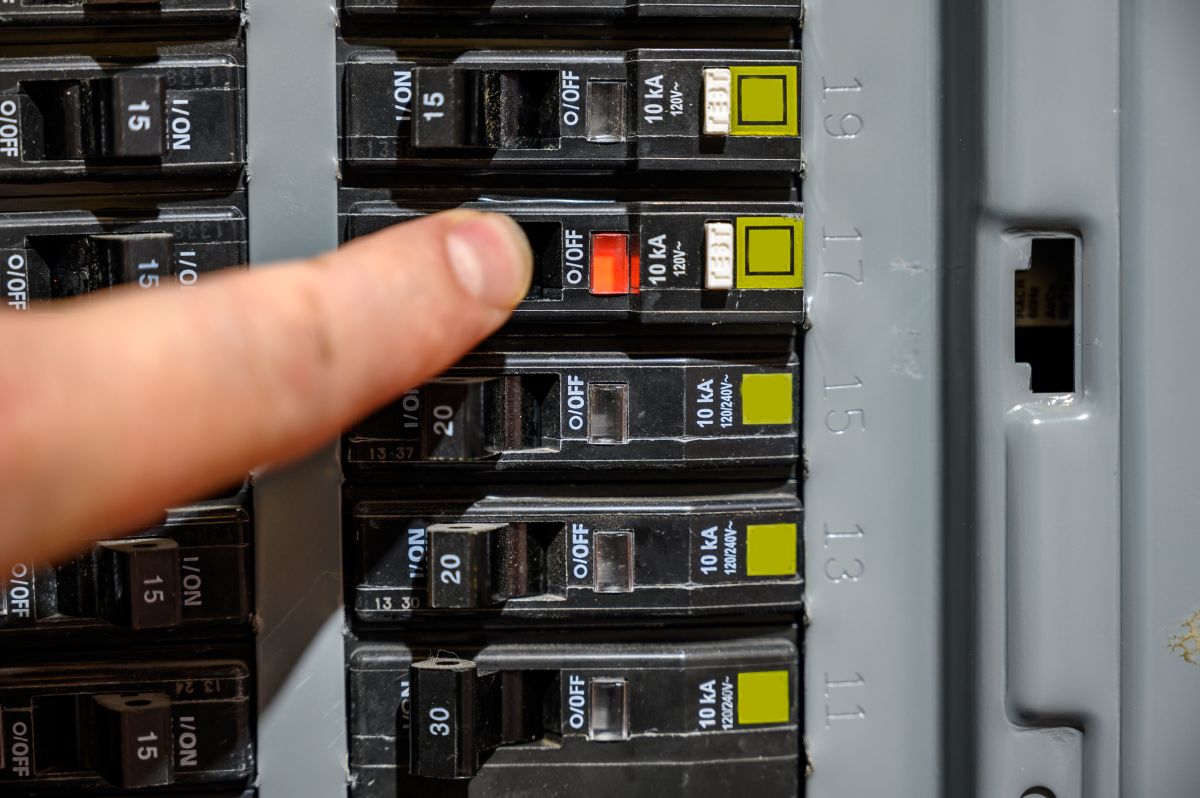
How Do Circuit Breakers Work? (Function, Parts, & More)
If you are researching circuit breakers, you are likely trying to understand how your electrical system protects your home from overloads and potential hazards. Circuit breakers are essential components inside your circuit breaker panel, designed to automatically interrupt current flow when something goes wrong. In Tulsa, OK, where homes range from older construction to newly built properties, these devices play a critical role in maintaining safe and reliable power.
Electrical malfunction remains one of the leading known causes of residential fires in the United States. Electrical distribution equipment, wiring, and lighting are significant contributors to home structure fires each year. This highlights why every electrical safety device inside your panel must function properly. Circuit breakers are designed to detect unsafe conditions and shut down power before overheating or ignition occurs.
In this guide, we will cover:
- What a circuit breaker does
- How circuit breakers interrupt current flow
- The main internal parts
- Different types of circuit breakers
- Why breakers trip
- Circuit breaker replacement costs
- When to call a licensed electrician
What Is A Circuit Breaker?
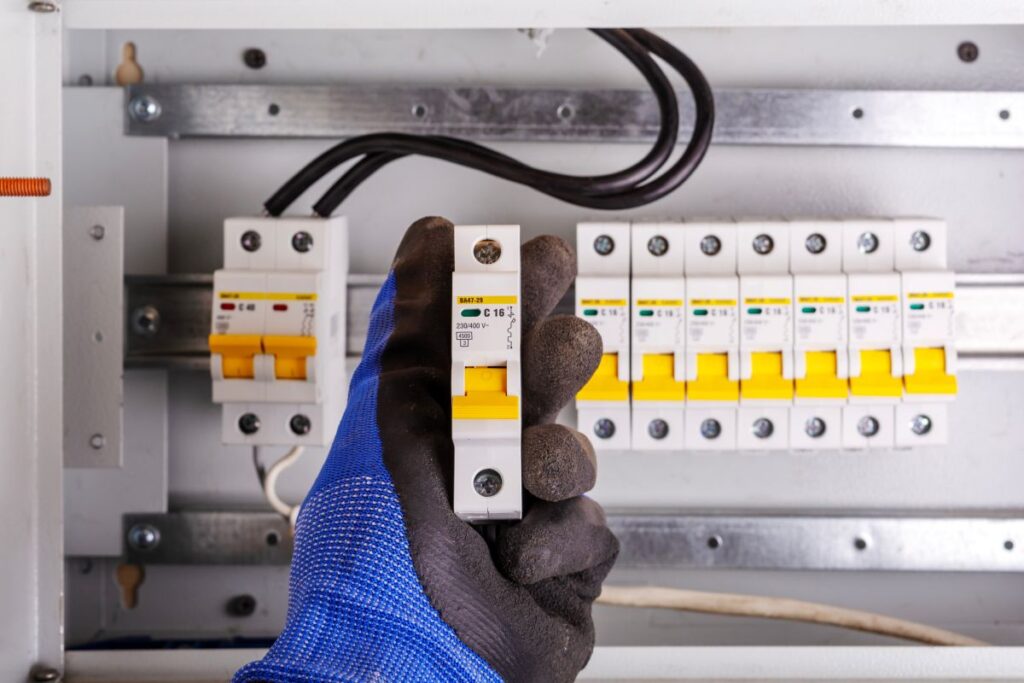
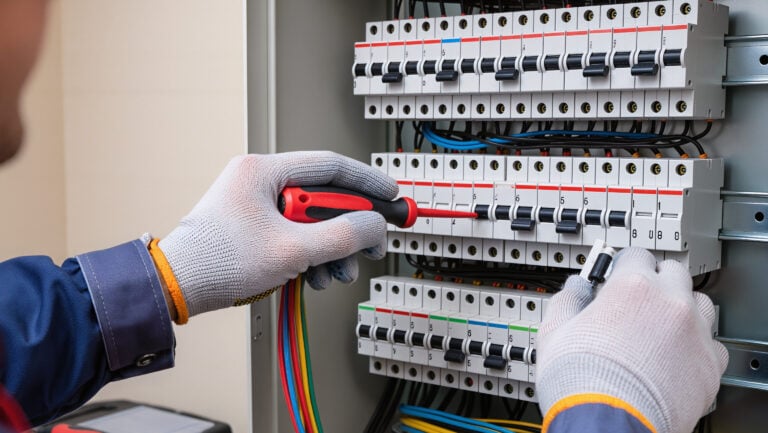
A circuit breaker is an electrical safety device installed inside your circuit breaker panel. Its purpose is to monitor electrical current flowing through a circuit and interrupt current flow when it detects overload, short circuit, or fault conditions. Without properly functioning breakers, wiring could overheat and create serious electrical hazards.
Each breaker inside the panel protects a specific branch circuit. For example, one breaker may supply power to kitchen outlets, while another powers bedroom lighting. If too much electricity flows through that circuit, the breaker trips and cuts power to prevent damage.
Unlike older fuse systems that must be replaced when they blow, breakers can be reset after the problem is corrected. This makes standard circuit breakers both safer and more convenient for modern homes.
How Do Circuit Breakers Work?
At a basic level, breakers work by detecting abnormal current and physically separating internal contacts to interrupt current flow. This action prevents overheating and protects your electrical system.
Most residential breakers use two protective mechanisms:
- Thermal protection, which responds to heat buildup
- Magnetic protection, which reacts instantly to sudden spikes
When current exceeds the rated amperage for too long or increases suddenly, the breaker activates its internal trip system.
Thermal Protection
Thermal protection uses a bimetallic strip inside the breaker. When excess current flows, heat builds up and causes the strip to bend. Once it bends far enough, it triggers the trip mechanism and interrupts current flow.
This type of protection is effective for:
- Gradual overloads from too many appliances
- Extended high demand usage
- Slight amperage exceedance over time
Thermal response is slightly delayed because it depends on heat accumulation.
Magnetic Protection
Magnetic protection responds immediately to short circuits. Inside the breaker, an electromagnet strengthens when current spikes rapidly. If the magnetic field becomes strong enough, it trips the breaker instantly.
Magnetic protection is designed to respond to:
- Short circuits caused by direct conductor contact
- Ground faults where electricity escapes its intended path
- Sudden equipment failures
Ground fault circuit interrupters are a specialized form of breaker designed specifically to detect imbalances in current between hot and neutral conductors. When they sense leakage, they interrupt current flow to reduce shock risk.
Main Parts Of A Circuit Breaker
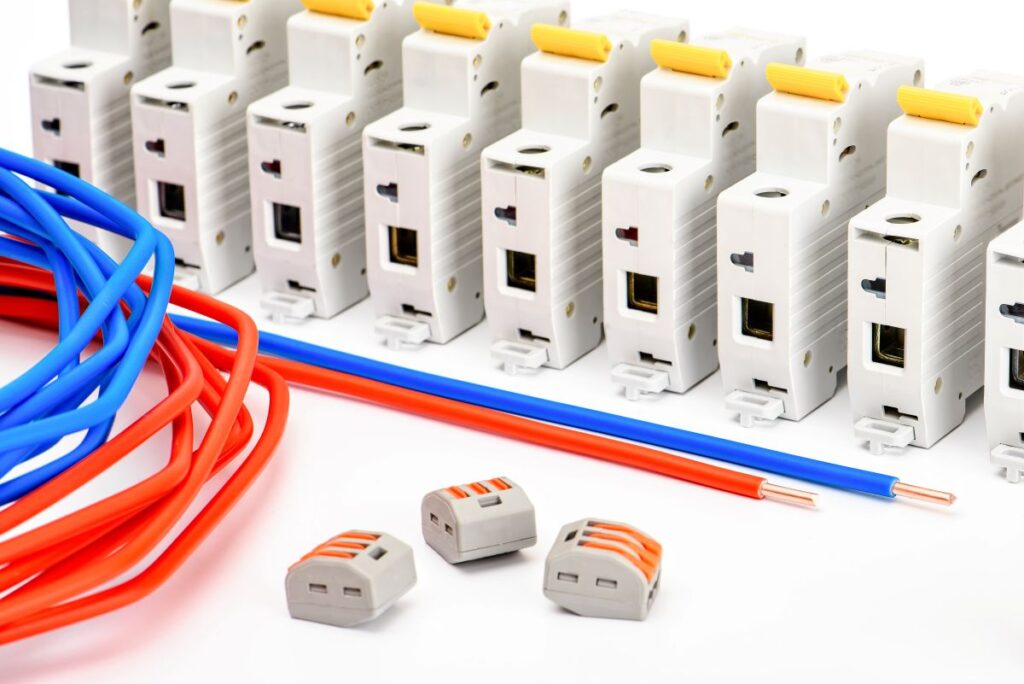
Although compact, a breaker contains several coordinated components.
Handle Or Switch
The handle is the visible control on the front of the breaker.
- Allows manual on and off operation
- Indicates whether the breaker is tripped
- Provides isolation during servicing
Internal Contacts
Contacts allow electricity to flow when closed and separate to interrupt current flow when the breaker trips.
- Closed position permits normal operation
- Open position stops current
- Designed to handle electrical arcs safely
Trip Mechanism
The trip mechanism connects to both thermal and magnetic components. When triggered, it releases spring tension and forces the contacts apart.
- Automatic response
- Fast separation of contacts
- Reliable overload protection
Arc Extinguishing Chamber
When contacts separate under load, a small arc forms. Breakers include arc chutes to cool and divide the arc safely.
- Reduces internal damage
- Improves breaker longevity
- Enhances overall safety
Types Of Circuit Breakers
Not all breakers are designed for the same application. Residential, commercial, and industrial systems use different categories depending on voltage and load requirements.
- Standard circuit breakers are commonly used in homes for general branch circuits
- Miniature circuit breakers are compact units frequently found in residential and light commercial panels
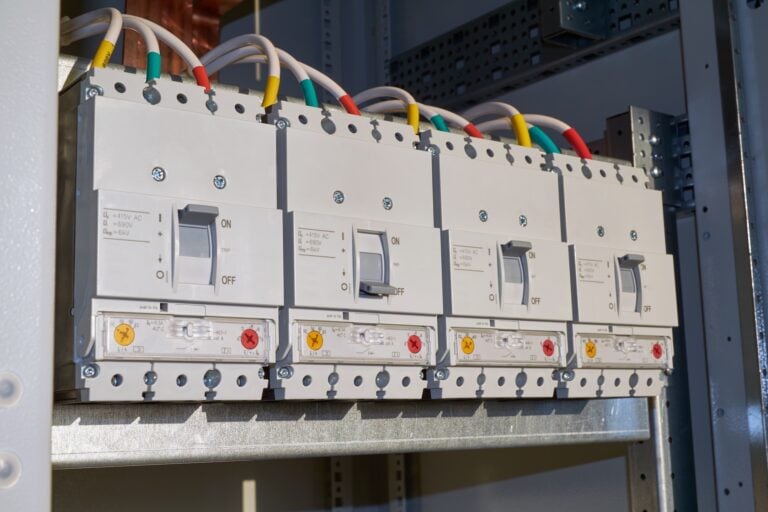
- Molded case circuit breaker units are typically used in commercial or industrial environments where higher loads are present
- Low voltage circuit breakers are designed for standard building distribution systems
- Medium voltage circuit breakers are used in industrial facilities and utility applications
- Ground fault circuit interrupters provide enhanced protection in moisture prone areas
- The main breaker controls power to the entire circuit breaker panel
In most Tulsa homes, you will find miniature circuit breakers and standard circuit breakers inside the panel. Molded case circuit breaker systems and medium voltage circuit breakers are more common in commercial and industrial settings.
Why Do Circuit Breakers Trip?
According to the Electrical Safety Foundation International, the U.S. Consumer Product Safety Commission estimates that arc fault circuit interrupters could prevent more than 50% of electrical fires that occur every year — underscoring why breakers that fail to trip correctly represent a serious and underappreciated household hazard. Breaker trips indicate that a circuit has exceeded safe operating limits. Common causes include:
- Overloaded circuits with too many devices
- Short circuits from damaged wiring
- Ground faults in wet areas
- Loose electrical connections
- A failing breaker inside the circuit breaker panel
Occasional trips may simply reflect temporary overload. Frequent trips often signal deeper electrical issues that require inspection.
Circuit Breaker Replacement Costs
Circuit breaker replacement costs vary depending on breaker type, panel accessibility, and labor requirements. Replacing a standard breaker is typically less expensive than installing specialty breakers such as ground fault circuit interrupters.
Typical Cost Comparison
| Breaker Type | Breaker Cost Range | Typical Installed Cost |
| Standard circuit breakers | $10 to $25 | $150 to $300 |
| Miniature circuit breakers | $15 to $40 | $150 to $350 |
| Ground fault circuit interrupters | $40 to $100 | $250 to $450 |
| Molded case circuit breaker | $100 to $300 | $400 to $900 |
| Main breaker | $100 to $250 | $400 to $800 |
Costs may increase if the entire circuit breaker panel requires upgrading. If your panel is outdated or overloaded, a full replacement may be more cost effective long term.
When To Call A Licensed Electrician
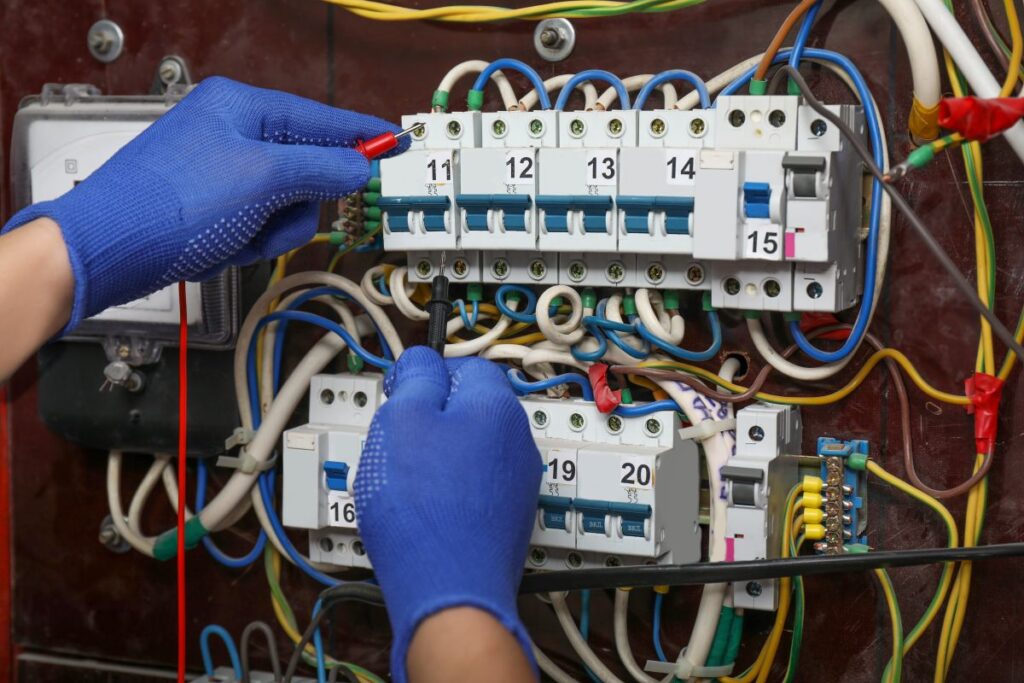
Resetting a tripped breaker is generally safe for homeowners. However, replacing breakers or working inside the panel exposes live components and carries risk.
Contact a licensed electrician if you notice:
- Frequent breaker trips
- Burning smell near the panel
- Breaker that will not reset
- Visible corrosion or damage
- Panel overheating
Professional evaluation ensures safe installation and proper load balancing within your electrical system.
Protect Your Electrical System With Waybright Electric
Circuit breakers are critical to protecting your home from overload and fire hazards. By detecting unsafe conditions and interrupting current flow, they prevent serious damage and improve safety.
Waybright Electric proudly serves homeowners and businesses in Tulsa, OK with breaker inspections, replacements, and panel upgrades. If you are experiencing repeated breaker trips or suspect an issue inside your circuit breaker panel, contact Waybright Electric today. Our experienced team ensures your electrical system remains safe, reliable, and built to handle modern demands.

Recent Articles
Our Electrical Journal