
What Does a Fuse Do? (Ask an Electrician)
If you’re wondering what does a fuse do, you’re not alone. Electrical fuses are one of the most basic yet important components in electrical systems, especially in older homes with fuse boxes instead of modern breaker panels. Their primary job is simple: provide overcurrent protection by stopping the flow of electricity when something goes wrong. In many cases, issues with blown fuses or outdated systems may point to a need for electrical panel upgrades to safely handle modern power demands.
Although many homes today use circuit breakers, fuses are still widely used in residential, commercial, and even automotive fuses applications. Understanding how they work can help you recognize problems, protect sensitive electronic devices, and restore power safely when issues occur.
In this guide, we’ll cover:
- What a fuse does and how it works
- Key components inside a fuse
- Common reasons fuses blow
- Fuse vs circuit breaker differences
- Frequently asked questions
What Does A Fuse Do In An Electrical System?
A fuse protects electrical circuits by interrupting current flow when too much electricity passes through a circuit. Inside every fuse is a fuse element made of a thin metal wire or fuse wire designed to handle a specific amount of electrical current.
When the current exceeds that limit, the metal wire heats up and melts. This breaks the electrical connection and stops the flow of electricity, preventing overheating, damage to devices plugged into the circuit, and potential fire hazards.
Fuses operate automatically without user intervention and are designed to operate within tight tolerances for safety. In fact, different power fuses can handle currents ranging from as low as 0.01 amps to as high as 10,000 amps, depending on their application.
How Does A Fuse Work?
A fuse works by responding to excessive electrical current in real time. Under normal conditions, electricity flows through the fuse element with very little resistance. In a properly functioning fuse, resistance should be near zero, allowing efficient current flow.
However, when there’s a short circuit, overload, or power surge:
- The fuse element heats up quickly
- The metal wire melts once it exceeds its rating
- The circuit is immediately broken
- Power stops flowing to protect the system
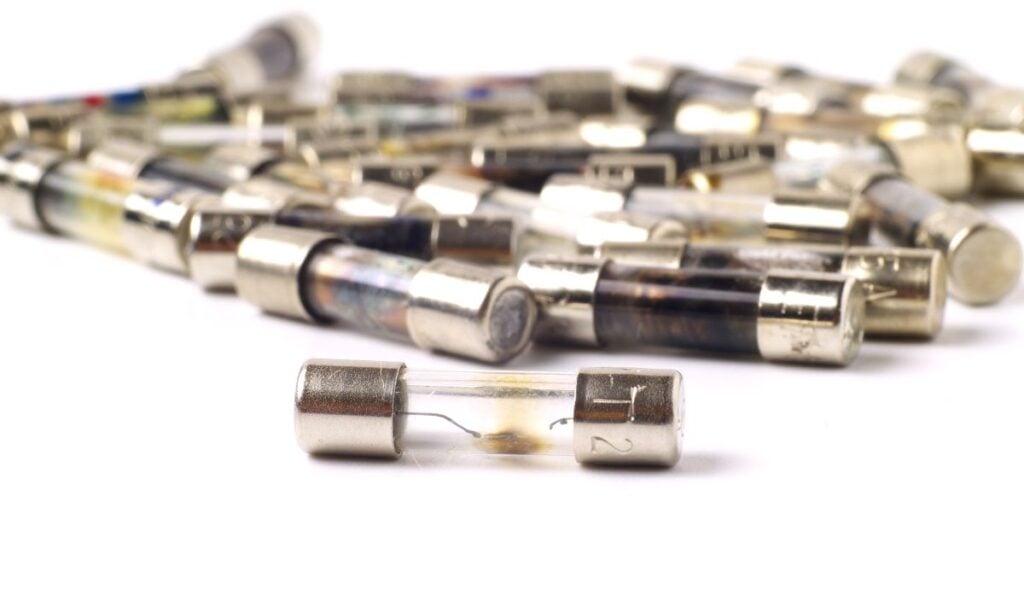
Some glass fuses include a clear window, making it easy to visually check whether the fuse has blown by inspecting the internal fuse link.
What Are The Main Parts Of A Fuse?
Although electrical fuses are compact, they include several important components that allow them to function effectively.
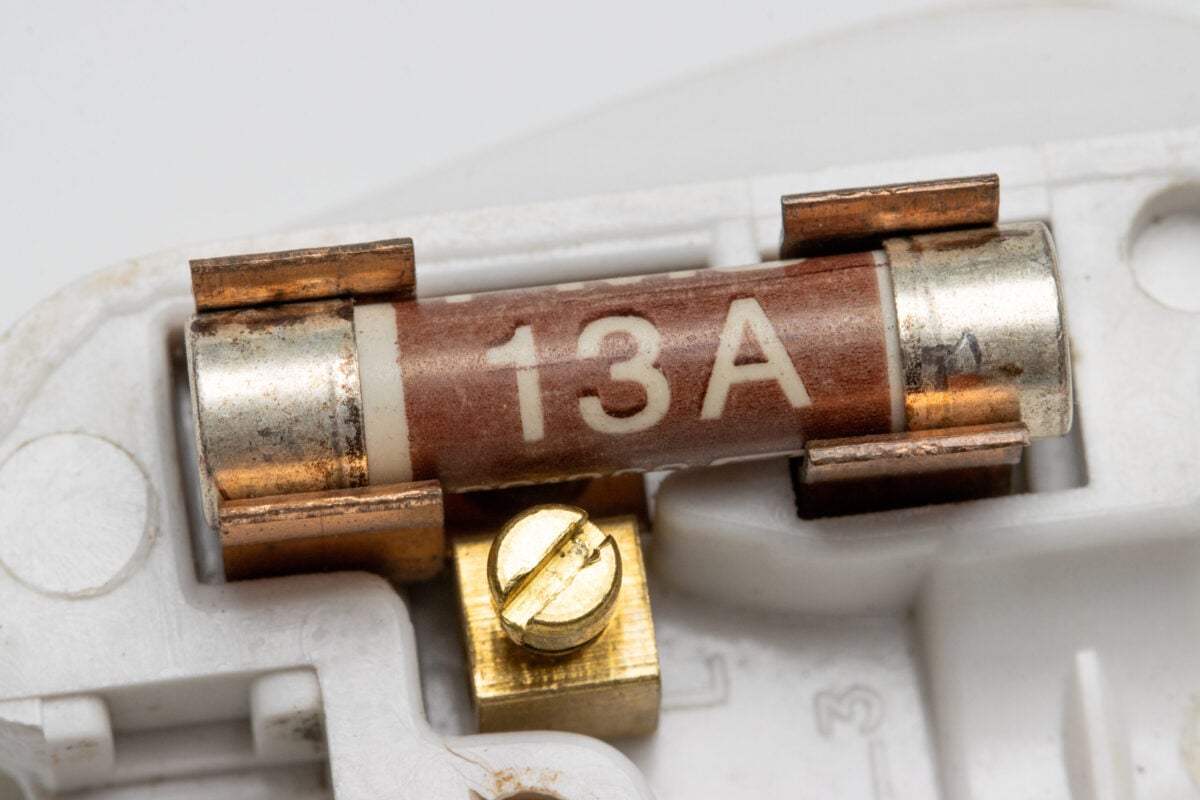
- Fuse element: thin metal wire or fuse link that melts during overload
- Fuse body: protective casing, often ceramic or glass
- Fuse holder: secures the fuse and connects it to the circuit
- Metal terminals: provide the electrical connection
Different types of fuses, including thermal fuses and semiconductor fuses, are designed for specific applications in electrical engineering and specialized equipment.
5 Common Reasons A Fuse Blows
A blown fuse is usually a sign that something in the circuit is drawing more power than it should. Identifying the cause helps prevent repeat issues and protects your electrical system.
1. Overloaded Circuit
An overloaded circuit occurs when too many devices are drawing power at once.
- Multiple appliances on one circuit
- High electrical demand exceeding capacity
- Older electrical systems not designed for modern loads
This is one of the most common causes of blown fuses in typical fuse boxes.
2. Short Circuit
A short circuit happens when a hot wire contacts a neutral wire or ground, causing a surge of electricity.
- Damaged insulation exposing wires
- Loose or faulty electrical connection
- Moisture intrusion in wiring
Short circuits cause fuses to blow instantly to prevent damage.
3. Power Surge
A sudden spike in voltage can overwhelm the circuit and blow the fuse.
- Lightning strikes
- Utility power fluctuations
- Large appliances turning on
This can also damage sensitive electronic devices connected to the system.
4. Faulty Appliances
A malfunctioning device can draw excessive current.
- Internal electrical failure
- Damaged cords
- Worn components
Disconnecting devices can help isolate the issue.
5. Aging Electrical System
Older fuse boxes and wiring may not support modern electrical demands.
- Outdated fuse blocks or connections
- Limited circuit capacity
- Wear over time
Upgrading may be necessary for improved electrical safety.
Fuse Vs Circuit Breaker
Fuses and circuit breakers both provide overcurrent protection, but they operate differently.
| Feature | Fuse | Circuit Breaker |
| Reset capability | Must replace fuses | Reset switch |
| Reusability | Single use | Reusable |
| Response time | Very fast | Fast |
| Maintenance | Requires replacement | Minimal |
| Modern usage | Older systems | Standard today |
Some newer systems use resettable fuses, but traditional fuses remain common in many applications.
Signs Of A Blown Fuse
Recognizing a blown fuse helps you quickly identify why power was lost.
- Loss of power in part of the home
- Appliances or lights stop working
- Visible break in glass fuses
- Burn marks or discoloration
Checking the fuse holder and fuse condition can help confirm the issue.
How To Replace A Fuse Safely
Replacing a fuse should always be done carefully to avoid further electrical issues.
- Turn off power at the main disconnect
- Locate the blown fuse in the fuse box
- Remove the damaged fuse
- Install a new fuse with the correct rating
- Restore power and test the circuit
Using the correct fuse protection rating is critical. Installing the wrong fuse can lead to overheating or damage.
When To Call An Electrician

Frequent blown fuses may indicate a deeper issue within your electrical system. If problems persist, professional inspection is recommended.
An electrician can identify:
- Overloaded circuits
- Faulty wiring
- Damaged fuse boxes
- Issues with electrical circuits or connections
Addressing the root cause improves long-term safety and performance.
Common FAQs
Fuses are a key part of electrical systems, but many homeowners still have questions about how they function and when they should be replaced.
Can A Blown Fuse Be Reused?
No, a blown fuse cannot be reused because the fuse element has melted and broken the circuit. Once this happens, the fuse must be replaced with a new one of the same rating. Reusing or bypassing a fuse can create serious safety risks.
Why Does The Same Fuse Keep Blowing?
This usually indicates an overloaded circuit, faulty appliance, or wiring issue. Replacing the fuse without fixing the underlying problem will result in repeated failures. A professional inspection can help identify the exact cause.
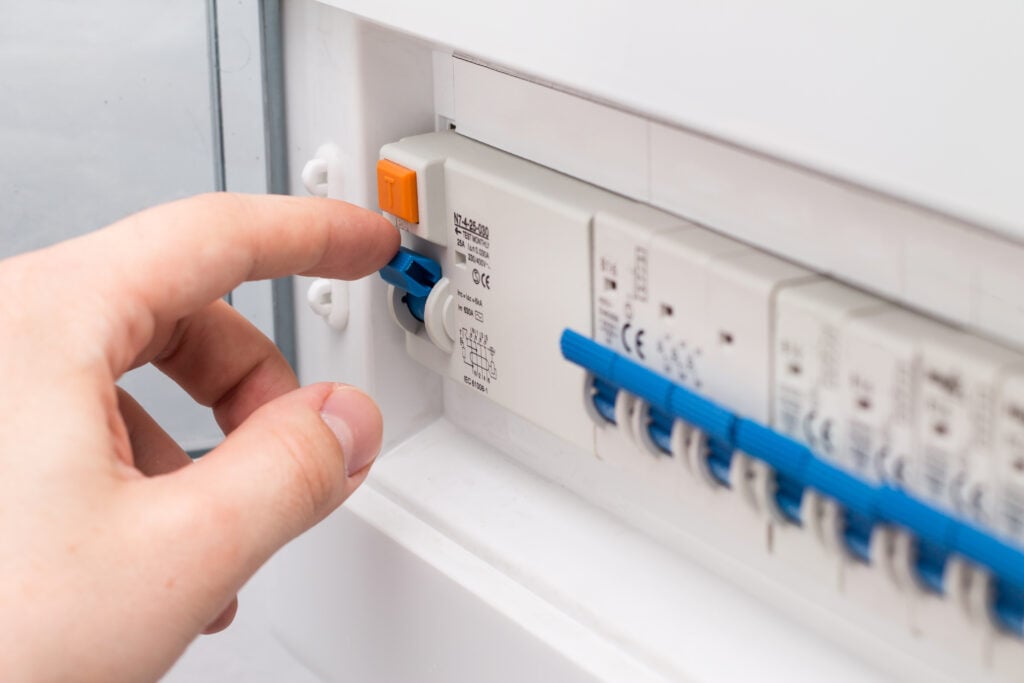
Is A Fuse Safer Than A Circuit Breaker?
Both fuses and breakers provide overcurrent protection, but they function differently. Fuses respond very quickly and are highly reliable, while breakers are easier to reset and maintain. Modern systems typically favor breakers for convenience.
How Do I Know Which Fuse To Replace?
You can usually identify a blown fuse by checking for a broken fuse link or visible damage, especially in glass fuses with a viewing window. Always match the amperage and type when installing a replacement to maintain proper protection.
Get Help With Electrical Issues From Waybright Electric
Understanding what a fuse does is an important step in maintaining a safe and reliable electrical system. Whether you’re dealing with a blown fuse, upgrading to a breaker panel, or troubleshooting electrical issues, professional help ensures everything is handled correctly.
Waybright Electric provides expert electrical inspections, repairs, and upgrades throughout the Tulsa area. If you’re experiencing electrical problems or need help evaluating your system, schedule your electrical service today. Our team can diagnose the issue, recommend the right solution, and restore safe, dependable power to your home.

Recent Articles
Our Electrical Journal