
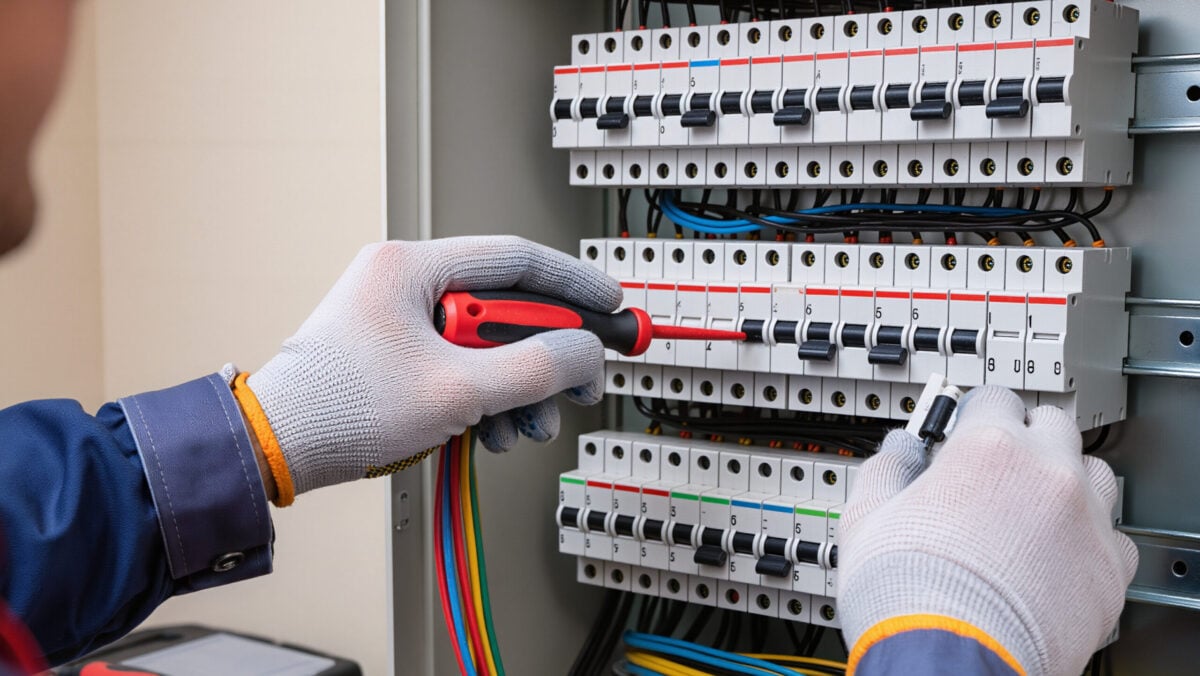
7 Steps to Wire a Breaker Box: Process Guide + Diagram
If you’re researching how to wire a breaker box, it’s important to understand that this is one of the most advanced electrical projects in a home. A breaker panel, also called an electrical panel or service panel, distributes electricity throughout your house and protects each circuit from overloads, power surges, and short circuits. While understanding the process is helpful, wiring a main breaker box is generally not considered a DIY project due to the serious safety risks involved. Whether you’re replacing an aging main panel or adding new branch circuits, properly planned upgrading your electrical panel helps ensure your home’s electrical system remains safe, efficient, and compliant with the national electrical code.
In this guide, we’ll cover:
- How a breaker box works
- The basic steps electricians follow
- Safety considerations
- Common mistakes to avoid
- Frequently asked questions
What Does A Breaker Box Do?
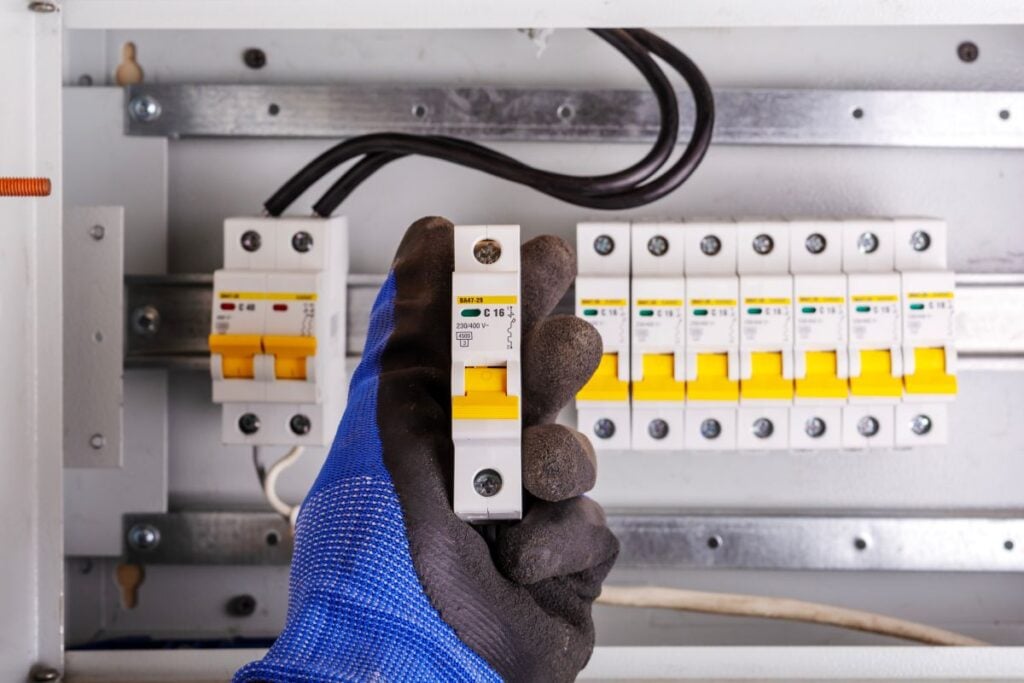
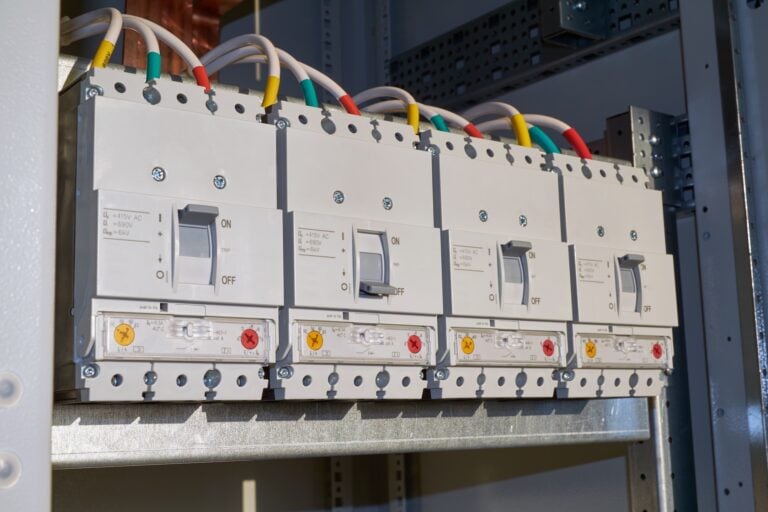
A breaker panel is the central distribution point for electricity entering your home. Power from the utility company flows through feeder wires into the service panel, passing through the main disconnect before being distributed to individual branch circuits. These circuits supply electricity to outlets, lighting, appliances, and systems like water heaters.
The panel protects your electrical system by automatically shutting off power when a circuit becomes overloaded or experiences a fault. Devices like AFCI or GFCI breakers help reduce the risk of shock and fire, especially in moisture-prone areas. A properly installed breaker panel also helps regulate voltage and maintain consistent power flow throughout the home.
Major components include:
- Main breaker box
- Circuit breakers (including single pole breakers and handle tie breakers where required)
- Neutral bus bar
- Grounding system with grounding rod
- Hot wires and feeder wires
- Incoming service conductors
Each component works together to safely distribute electricity and protect your home from electrical hazards.
7 Steps Electricians Follow When Wiring A Breaker Box
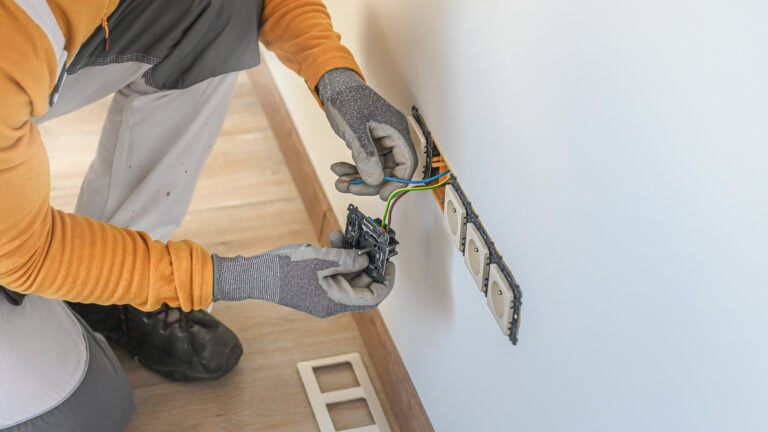
Because breaker panels contain energized components, licensed electricians follow strict procedures when performing electrical work. Each step ensures the system is installed safely and functions properly.
1. Plan The Circuit Layout
Before installation begins, electricians evaluate load requirements and determine how circuits will be distributed throughout the home. This includes planning for appliances, lighting, and high-demand systems like HVAC units and water heaters.
- Review electrical plans
- Calculate amperage needs
- Plan for dedicated circuits
Proper planning ensures the system can handle current and future electrical demands, including upgrades like new appliances or expanded living spaces. It also helps determine when higher-voltage circuits are required, such as 240V circuits that use a two pole breaker connected across both hot busbars for larger equipment.
2. Shut Off Utility Power
Power must be disconnected before beginning work on a breaker panel. This is critical for safety when working with hot wires and energized components.
- Verify power is off at the main disconnect
- Confirm circuits are de-energized
- Follow safety procedures
Personal protective equipment should be used when working with electrical panels, even when power is shut off, to reduce the risk of accidental contact or unexpected electrical hazards.
3. Install The Breaker Box
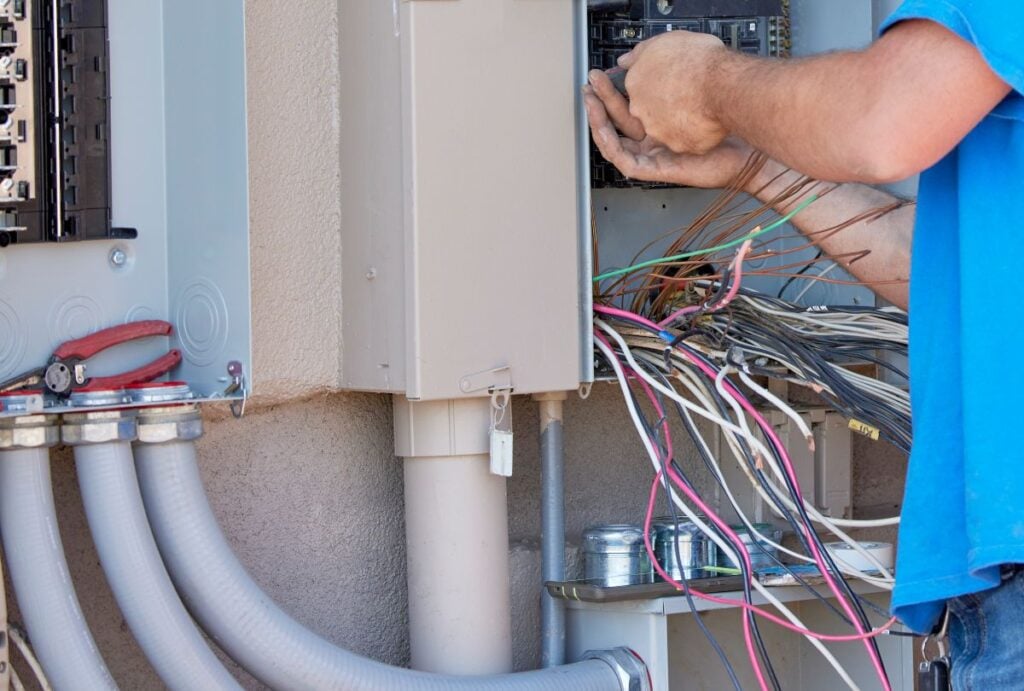
The breaker panel is mounted securely and positioned according to code requirements. This ensures proper access and safe operation.
- Secure the panel enclosure
- Verify spacing and height
- Meet code clearance requirements
A properly installed electrical panel provides a solid foundation for the entire system and ensures long-term reliability.
4. Route Electrical Cables
Wires are routed into the panel through connectors that protect them from damage. Organization is important for both safety and future maintenance.
- Use proper connectors
- Keep wiring organized
- Label circuits clearly
Neatly arranged wiring improves airflow inside the panel and helps prevent overheating or confusion during future electrical work.
5. Connect Neutral And Ground Conductors
Neutral wire connections are made to the neutral bus bar, while grounding wires connect to the grounding system, often including a grounding rod. Ground wires are typically bare copper or green, making them easy to identify during installation.
- Secure neutral wires properly
- Connect grounding conductors
- Ensure proper separation when required
Grounding prevents dangerous electrical currents from reaching surfaces, helping protect both people and equipment. Grounding rods should be at least 8 feet long to provide effective dissipation of electrical energy into the earth.
6. Install Circuit Breakers
Breakers are installed onto the bus bars and connected to their respective circuits. Each breaker must match the correct amperage rating for the circuit it protects.
- Install appropriate breakers
- Connect hot wires to terminals
- Secure connections properly
Using the correct breaker type, including AFCI or GFCI breakers where required, helps protect the system from faults and improves overall safety. For example, a 20A breaker is commonly used for circuits carrying up to about 16A of continuous load, helping prevent overheating and ensuring reliable performance.
7. Test The Entire System
After installation, electricians test the panel to ensure everything is working correctly. This includes checking voltage, connections, and breaker operation.
- Use a voltage tester to verify power
- Inspect all connections
- Confirm circuit labeling
- Test breaker functionality
Testing ensures the breaker panel operates safely and efficiently before being put into use, reducing the risk of future electrical issues.
Common Breaker Box Wiring Mistakes
Mistakes during installation can create serious safety hazards and lead to system failure. Even small issues can affect performance.
Common mistakes include:
- Incorrect wire sizing or loose connections
- Mixing neutral wire and ground connections improperly
- Using the wrong breaker types
- Overloading branch circuits
- Poor organization inside the panel
- Improper grounding or missing grounding rod
Avoiding these issues requires experience and attention to detail.
Why Breaker Box Wiring Is Best Left To Professionals
Wiring a breaker panel involves working with high-voltage components and must meet strict safety standards. This type of electrical work is complex and requires proper training.
A licensed electrician provides:
- Code-compliant installation following the national electrical code
- Proper load balancing and circuit design
- Safe handling of feeder wires and hot wires
- Accurate installation of breakers and connections
- Full system testing
Hiring a professional helps ensure the system is safe, reliable, and built to last.
Breaker Box Installation Vs Replacement
| Project | Typical Scope |
| Install new breaker panel | New construction or additions |
| Replace main panel | Aging or outdated systems |
| Add individual breaker | Expanding branch circuits |
| Upgrade service panel | Increased power capacity |
| Replace faulty breaker | Repairs within existing panel |
The scope depends on the condition of the existing system and the electrical demands of the home.
Signs Your Breaker Box May Need Attention
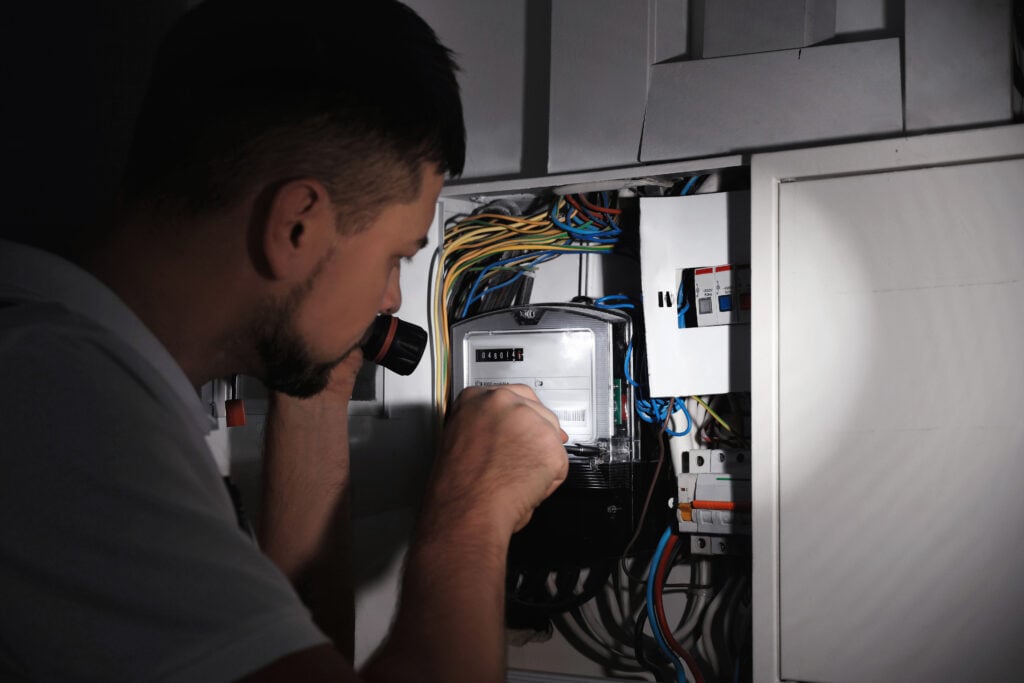
Your breaker panel may show signs of wear or failure over time. Addressing these issues early helps prevent more serious problems.
- Frequent breaker trips
- Flickering lights
- Burning smells near the panel
- Corrosion or rust
- Warm breaker surfaces
- Buzzing sounds
- Limited space for new circuits
These issues may indicate problems with wiring, breaker capacity, or the overall system.
Common FAQs
Breaker box wiring can be complex, and many homeowners have questions about safety, installation, and long-term performance. Understanding the basics can help you make informed decisions about upgrades, repairs, and when to call a professional.
Can I Wire A Breaker Box Myself?
Wiring a breaker panel is not recommended as a DIY project because it involves high-voltage electrical work and strict code requirements. Mistakes can lead to serious safety hazards, including electrical shock, fire, or system failure. A licensed electrician has the training and tools needed to complete the installation safely and correctly.
How Long Does It Take To Wire A Breaker Box?
Most standard residential breaker panel installations can be completed within a day, but the timeline depends on the size of the panel and the complexity of the system. Projects that involve service upgrades, additional circuits, or older wiring may take longer. Proper planning and inspection help ensure the work is completed efficiently.
Do Breaker Boxes Require Permits?
Yes, most breaker panel installations and upgrades require permits and inspections to meet local and national electrical code requirements. These inspections help ensure the system is installed safely and meets all safety standards. Skipping permits can lead to compliance issues and potential safety risks.
How Much Does A Breaker Box Installation Cost?
The cost of installing or replacing a breaker panel varies depending on panel size, labor, and the condition of the existing electrical system. Additional factors like service upgrades, wiring repairs, or added circuits can affect the total cost. A professional inspection provides the most accurate estimate based on your home’s needs.
Trust Waybright Electric For Breaker Box Installation
Proper breaker panel installation is essential for the safety and performance of your home’s electrical system. Whether you’re upgrading an older main breaker box or adding circuits, professional service ensures everything is installed correctly.
Waybright Electric provides expert breaker panel installations, upgrades, inspections, and electrical improvements throughout the Tulsa area. If you’re planning a panel installation or upgrade, schedule your electrical panel consultation today. Our experienced electricians can assess your system and recommend the safest solution.

Recent Articles
Our Electrical Journal