
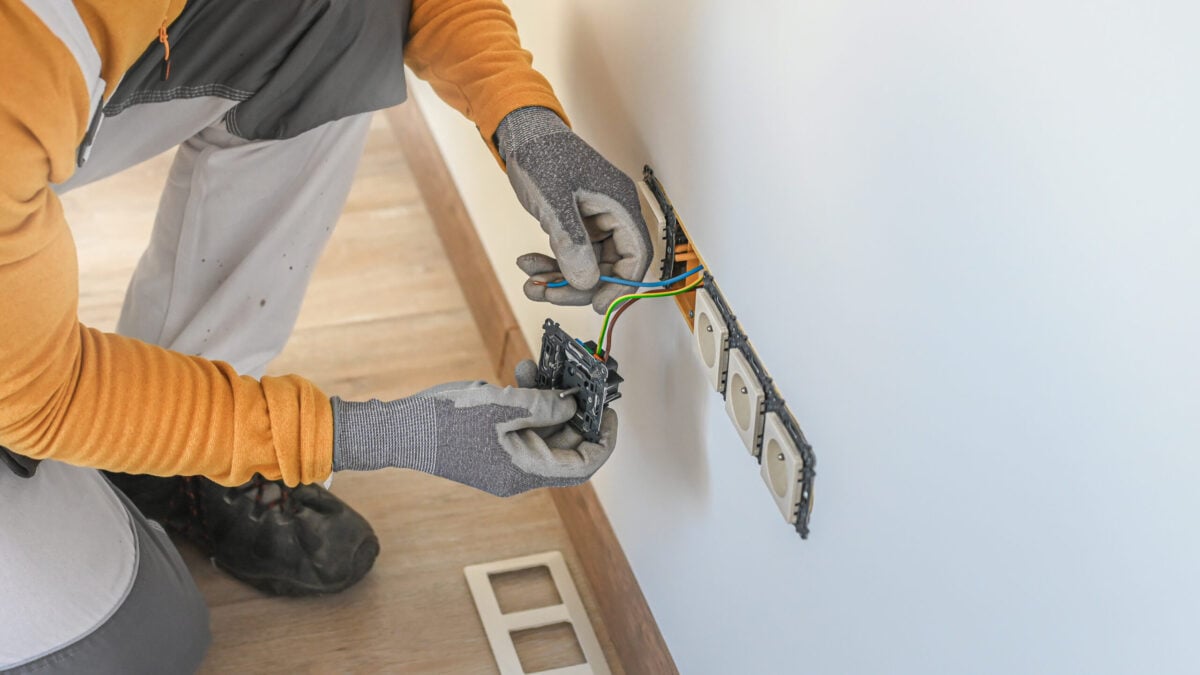
9 Steps to Fix Loose Outlets: A Guide for Homeowners
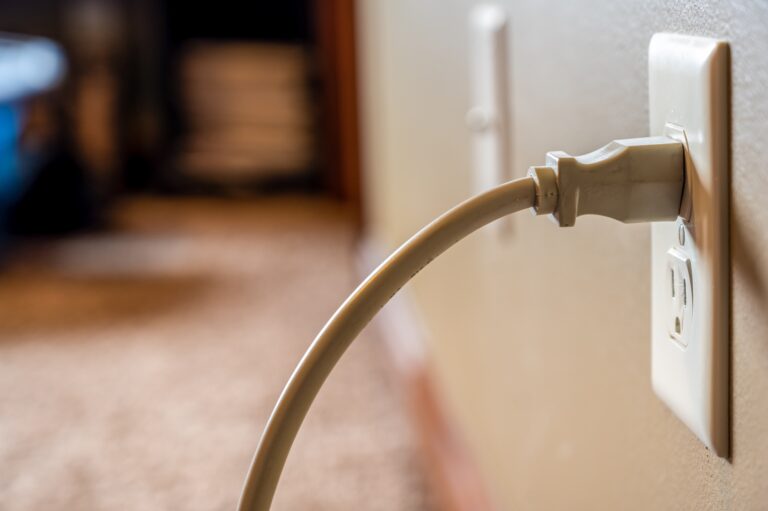
If you’re searching for how to fix loose outlets, you’re likely dealing with loose wall outlets that move when you plug something in or won’t hold a plug securely. This issue is more than just annoying—it can lead to weak electrical connections, worn components, and even a potential fire hazard over time. In many cases, addressing worn receptacles or shifting components may require professional electrical outlet repair to restore safe and reliable performance.
In this guide, we’ll cover:
- Why outlets become loose
- 9 steps to fix a loose outlet
- Common causes behind the issue
- When to call an electrician
- Frequently asked questions
Why Do Electrical Outlets Become Loose?
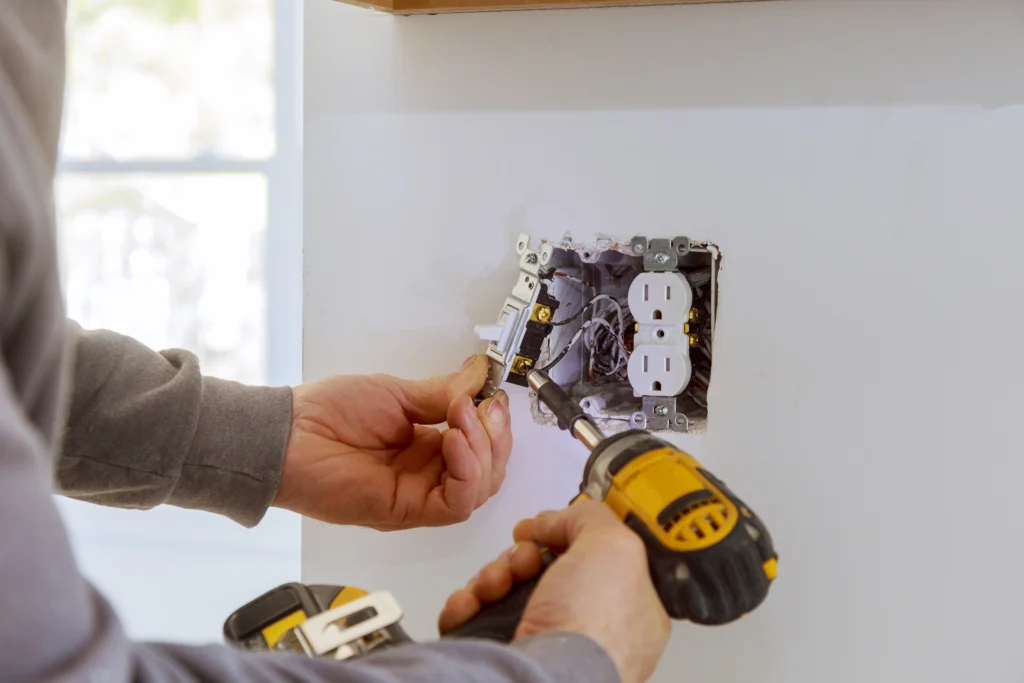
Loose outlets can happen for a few different reasons, and identifying the cause helps determine the right fix. Over time, repeated use—especially from devices like a phone charger or other frequently used electronics—can wear down the internal components of an electrical outlet.
Common causes include:
- Worn internal contacts that no longer grip the plug
- A loose outlet shifting inside the housing box
- Damaged or stripped mounting screws
- Outdated electrical boxes that no longer hold devices securely
- Frequent use from multiple devices plugged into the same outlet
Even a slightly loose outlet can lead to poor electrical connections, which may produce sparks or intermittent power and increase the risk of electrical hazards.
9 Steps To Fix Loose Outlets
Fixing a loose outlet depends on whether the issue is with the receptacle itself or how it’s mounted in the electrical box. Following a structured repair process helps ensure everything is secure and safe.
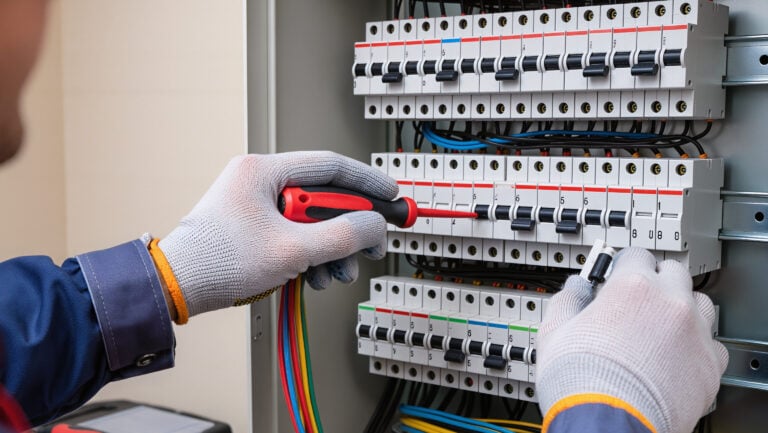
1. Turn Off Power At The Breaker
Before working on any outlet, always shut off power at the breaker panel.
- Locate the correct breaker
- Turn off power to the same circuit
- Confirm power is off before proceeding
This step prevents electrical shock and ensures safe access before beginning any electrical work.
2. Test The Outlet For Power
Even after turning off the breaker, it’s important to confirm the outlet is no longer energized.
- Use a voltage tester
- Check both receptacle slots
- Verify nearby outlets connected to the same circuit
Testing helps confirm the outlet is safe to handle.
3. Remove The Outlet Cover Plate
The cover plate protects the outlet and provides access to the mounting screws.
- Unscrew the plate from the wall
- Set aside screws and plate
- Inspect for damage or wear
This exposes the outlet and allows you to inspect the hardware holding it in place.
4. Tighten The Outlet Mounting Screws
Sometimes the issue is simply loose mounting hardware.
- Tighten the top and bottom screws
- Ensure the outlet sits flush with the wall
- Check for stability after tightening
If screws are stripped and won’t tighten, inserting small nylon zip ties into the holes can help create a tighter fit as a quick fix.
5. Check The Electrical Box Stability
If the outlet still moves, the housing box itself may be loose.
- Inspect for movement behind the wall
- Ensure the box is securely mounted
- Replace or secure if needed
A stable housing box is critical for keeping the outlet firmly in place.
6. Use Spacers Or Box Extenders
If the outlet sits too far back in the wall, it may not sit flush.
- Install approved outlet spacers
- Use a box extender if needed
- Re-secure the outlet
Approved outlet spacers or a box extender may be needed if the outlet does not sit flush, which helps prevent movement and improves safety.
7. Inspect Wiring Connections
Loose or improper wiring can contribute to outlet issues.
- Check the black wire (hot) connection
- Check the white wire (neutral) connection
- Verify the green screw grounding connection
- Tighten terminal screws securely
Take a photo of the existing wiring before making changes so you can reference the original setup if needed.
8. Replace A Worn Outlet
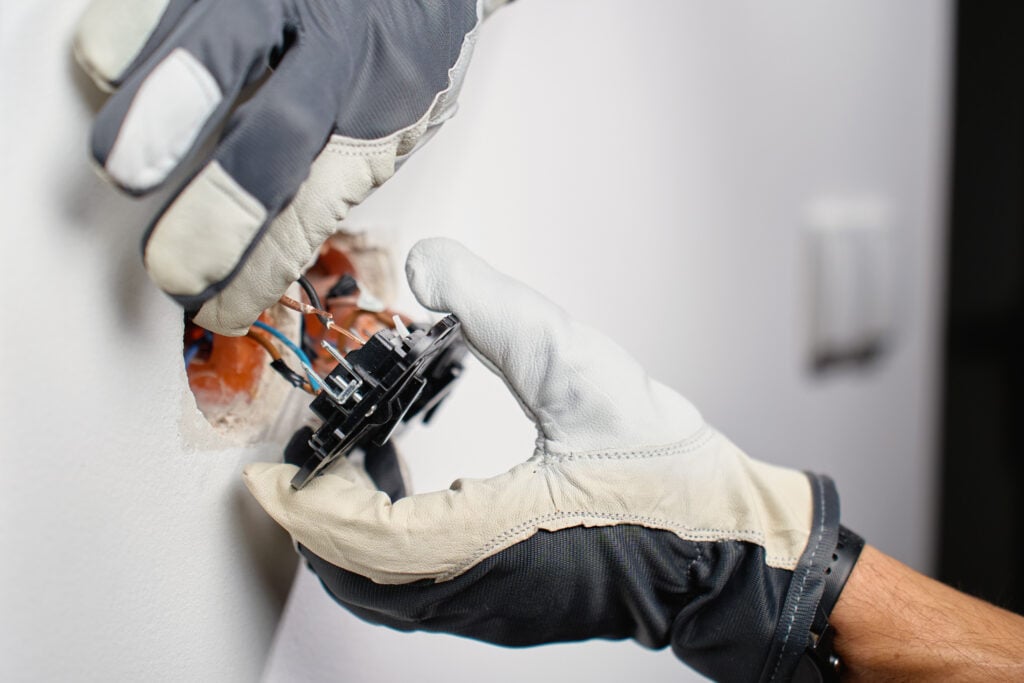
If the outlet no longer holds a plug securely, the receptacle may be worn out.
- Remove the old outlet
- Install a new outlet with updated features
- Secure wires to screw terminals
Newer outlets with built-in wire retainers are more durable and provide stronger electrical connections compared to older designs.
9. Reassemble And Test
After repairs are complete, restore power and test functionality.
- Reinstall the cover plate
- Turn the breaker back on
- Test with a device
Make sure the outlet holds plugs securely and delivers consistent power without movement.
Common Causes Behind Loose Outlets
Understanding the root cause can help prevent the issue from happening again.
- Aging electrical components
- Repeated plugging and unplugging
- Loose wiring or weak electrical connections
- Damaged mounting hardware
- Outlets connected to high-use circuits
Avoid relying on a cheap fix like forcing plugs or using temporary solutions, as this can worsen the issue over time.
When A Loose Outlet Is A Bigger Problem
Sometimes a loose outlet points to a deeper issue within the electrical system.
Watch for warning signs like:
- The outlet produces sparks when plugging in devices
- The outlet feels warm to the touch
- Lights flicker when devices are plugged in
- Multiple outlets connected to the same circuit are affected
- The outlet moves significantly inside the wall
These signs may indicate more serious electrical hazards that should not be ignored.
When To Call An Electrician
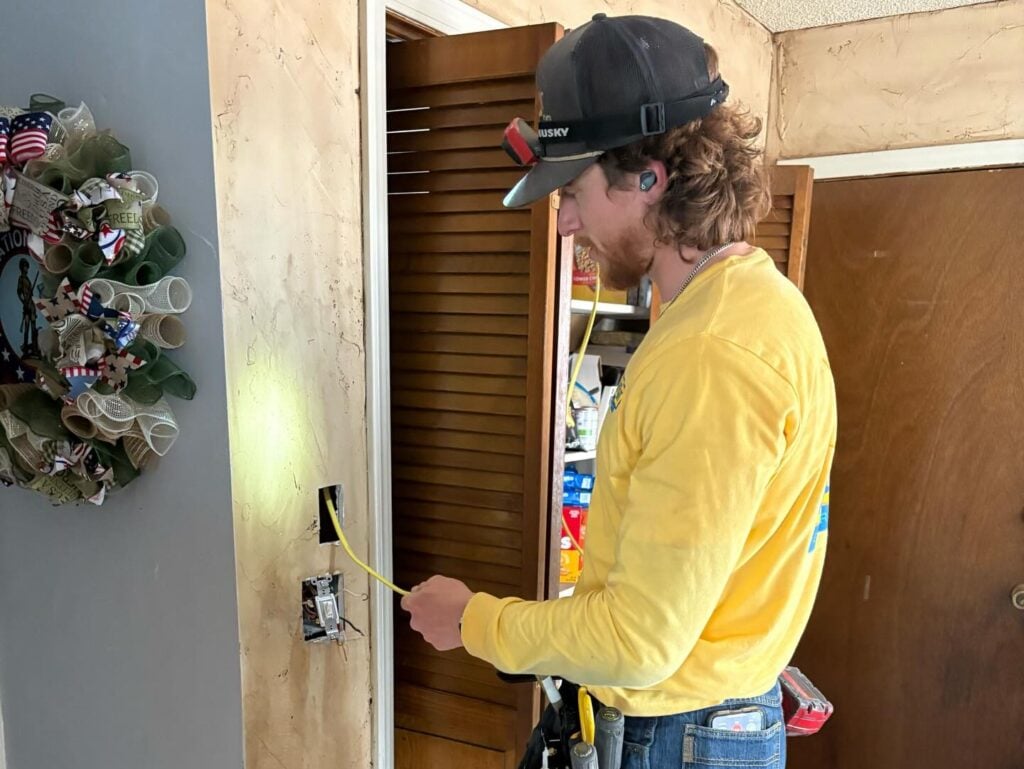
While some loose outlets can be fixed with simple adjustments, others require professional repair.
Call an electrician if:
- The outlet is damaged or burned
- Wiring appears loose or deteriorated
- The outlet continues to move after tightening
- You notice power issues across multiple outlets
- You are unsure about handling electrical components safely
Do not use glue or caulk to secure an outlet, as this can create additional safety issues and make future repairs more difficult.
Common FAQs
Loose outlets are a common issue, but many homeowners have questions about what causes them and how to fix them safely.
Is A Loose Outlet Dangerous?
Yes, a loose outlet can become a fire hazard over time. Poor electrical connections may cause heat buildup, sparking, or damage to devices plugged into the outlet.
Can I Fix A Loose Outlet Myself?
Some fixes, like tightening screws or replacing an outlet, can be manageable. However, if wiring or the electrical box is involved, it’s safer to contact a professional.
Why Won’t My Outlet Hold Plugs Anymore?
This usually means the internal contacts inside the outlet are worn out. Replacing it with a new outlet is typically the best solution.
Do Loose Outlets Cause Power Issues?
Yes, loose outlets can interrupt electrical connections, leading to inconsistent power or devices not working properly.
Get Help Fixing Loose Outlets With Waybright Electric
Loose outlets may seem like a small issue, but they can lead to bigger problems if ignored. Proper repair ensures your electrical outlets remain safe and reliable.
Waybright Electric provides expert outlet repair, replacement, and electrical upgrades throughout the Tulsa area. If you’re dealing with loose outlets or other electrical concerns, schedule your outlet repair service today. Our team can identify the issue, recommend the right fix, and restore safe, dependable operation to your home.

Recent Articles
Our Electrical Journal